EN
EN English
 Español
Understanding Arc Welding’s Popularity
Definition and significance: Arc welding is a process where an electric arc generates heat to join metals, making it versatile for multiple industries.
Market prevalence: It remains the widely used welding method worldwide due to its adaptability and efficiency.
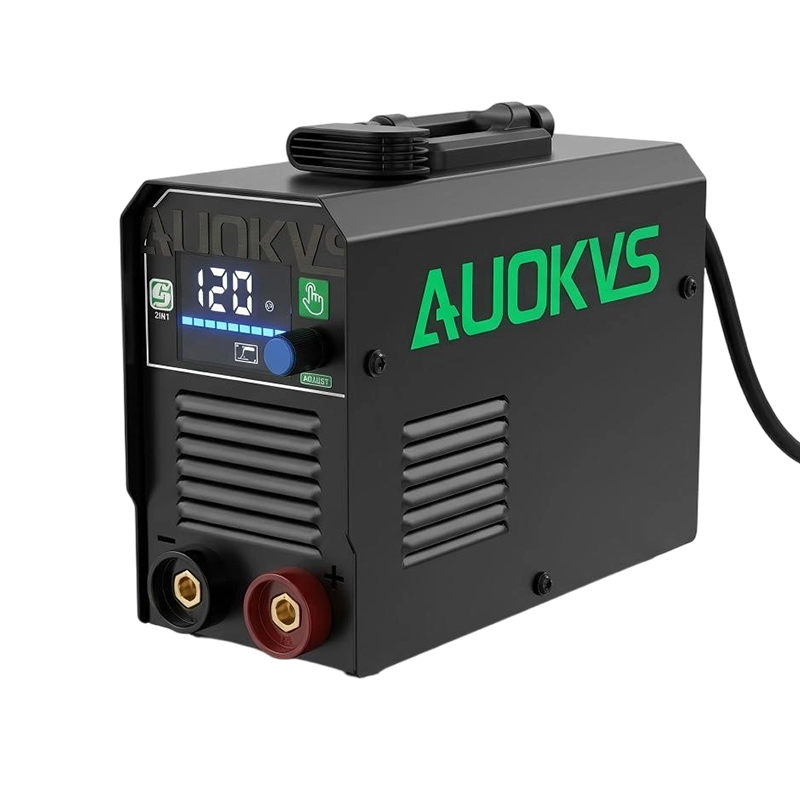
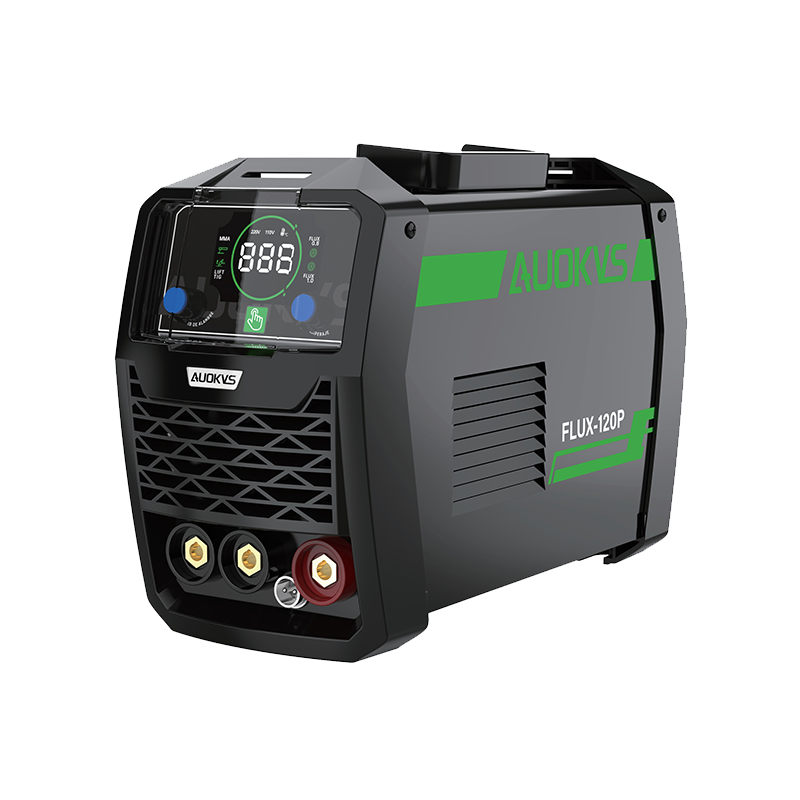
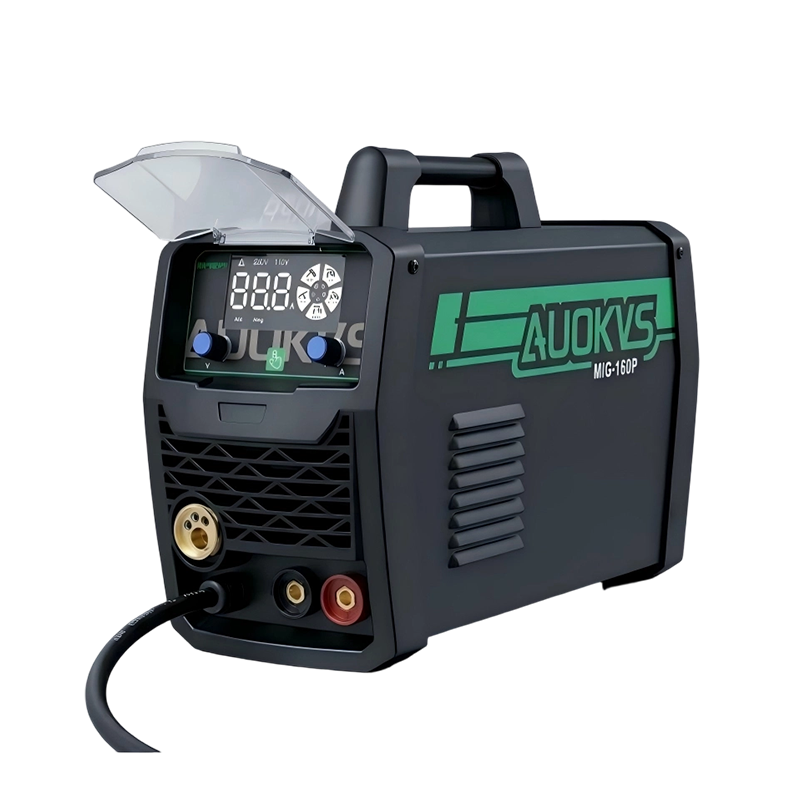
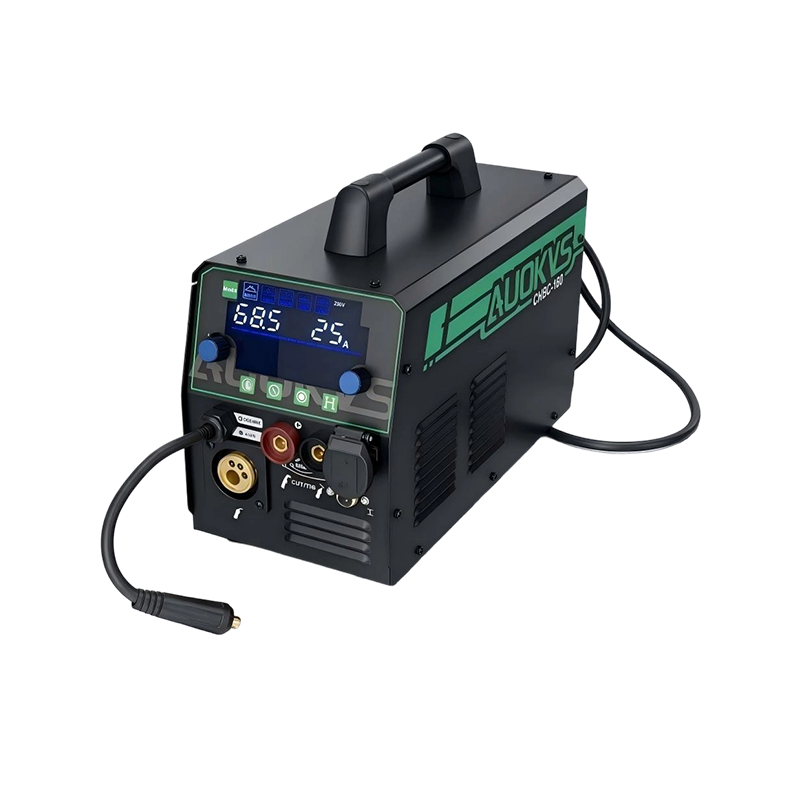
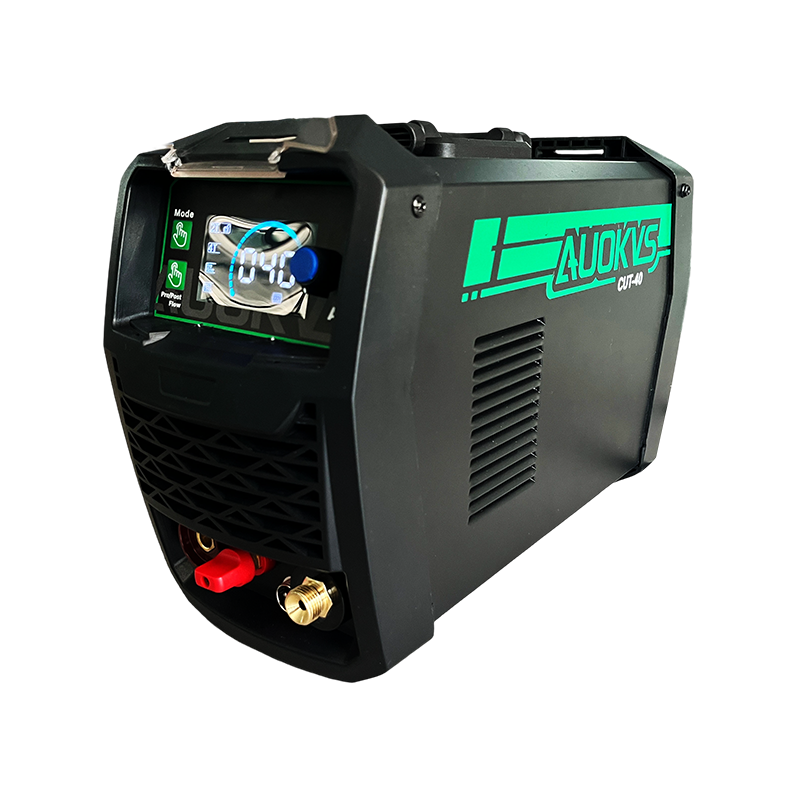
Role of ODM Welding Equipment: Original design manufacturing (ODM) welding equipment often incorporates arc welding capabilities because of the process’s broad applicability.
Cost-Effectiveness and Accessibility
- Affordable setup: Arc welding equipment is generally less expensive compared to advanced methods like laser or electron beam welding.
- Wide availability: Components and consumables such as electrodes are readily available, reducing operational costs.
- Low skill entry point: Basic arc welding techniques are easier to learn, making it accessible for small workshops and large factories alike.
Versatility Across Metals and Thicknesses
- Multiple materials: Arc welding can join steel, stainless steel, cast iron, and other alloys effectively.
- Variable thickness compatibility: The process works well with both thin sheets and thick plates, unlike some specialized welding methods.
- Adaptable processes: SMAW, GMAW, and GTAW are all arc-based methods tailored for specific materials and applications.
Equipment Portability and Flexibility
- Portable solutions: Many arc welding machines are compact and portable, ideal for on-site construction or repair.
- Integration with ODM Welding Equipment: Manufacturers offer custom designs to suit industry needs, from automotive assembly lines to shipbuilding.
- Ease of setup: Arc welding requires minimal infrastructure, making it flexible for both industrial and field applications.
High Productivity and Efficiency
- Rapid deposition: Arc welding can deposit large amounts of filler material quickly, increasing throughput.
- Minimal downtime: Equipment is simple to operate and maintain, causing higher operational efficiency.
- Batch and large-scale production: Industries like shipbuilding, construction, and pipeline manufacturing rely heavily on arc welding for speed and consistency.
Strong and Reliable Welds
- Structural integrity: Arc welding produces strong joints capable of bearing significant loads.
- Resistance to defects: When done correctly, the welds show good mechanical properties, reducing failures.
- Consistency with ODM designs: Modern ODM welding equipment often incorporates advanced features to maintain consistent arc stability, ensuring uniform weld quality.
Ease of Adaptation to Automation
- Semi-automated and automated systems: Arc welding technology has been integrated into robotic welding systems, boosting precision and reducing labor costs.
- Customizable for production lines: ODM providers design arc welding machines tailored for specific industrial workflows.
- Repeatability: Automated arc welding ensures consistent welds across large production runs.
Safety and Training Considerations
- Well-established safety protocols: Protective gear and standard procedures for arc welding are widely available.
- Training resources: Arc welding is taught extensively in vocational schools and industrial training programs, creating a large, skilled workforce.
- Low barrier to skill acquisition: Unlike laser or plasma welding, arc welding allows new operators to become competent relatively quickly.
Industrial Applications Driving Popularity
- Construction and infrastructure: Steel frameworks, bridges, and pipelines often rely on arc welding.
- Automotive manufacturing: Body panels and chassis components are commonly welded using arc-based methods.
- Shipbuilding and heavy industry: Large plates and structural components are efficiently joined using arc welding techniques.
Arc welding has maintained its position as the market standard due to its cost-effectiveness, versatility, reliability, and adaptability.
With support from modern ODM welding equipment, industries can customize machines to specific needs while benefiting from automation and efficiency.
Its combination of accessibility, strong weld quality, and compatibility with a wide range of metals ensures that arc welding will continue to dominate the welding industry for years to come.
 Previous