EN
EN English
 Español
The Challenge of Heat Distortion
- Definition: Heat distortion occurs when uneven heating and cooling during welding cause warping, bending, or residual stress in metals.
- Cracking risk: Improper thermal control can cause cracks, compromising structural integrity.
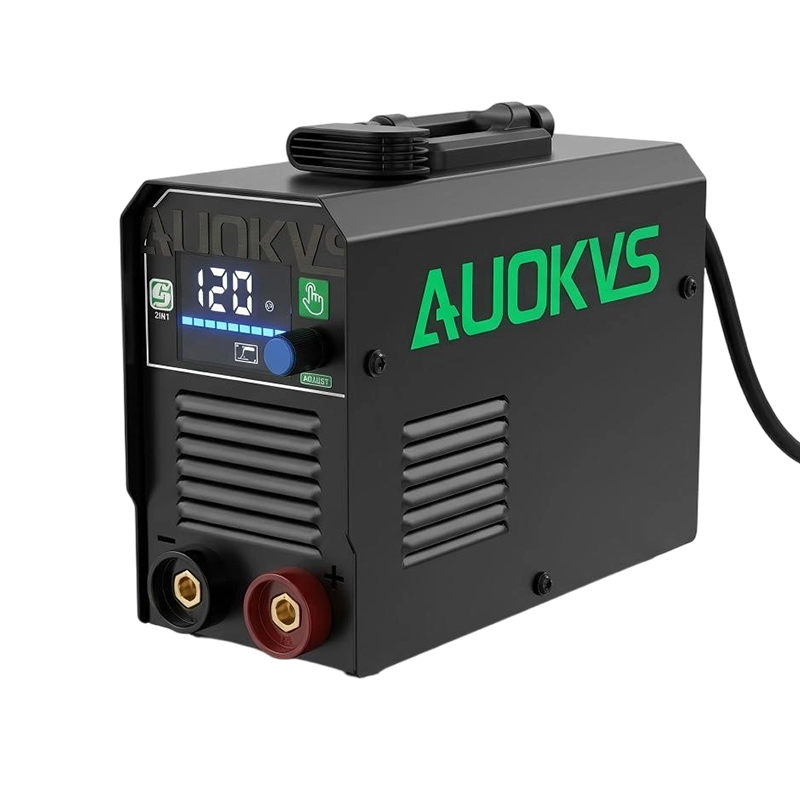
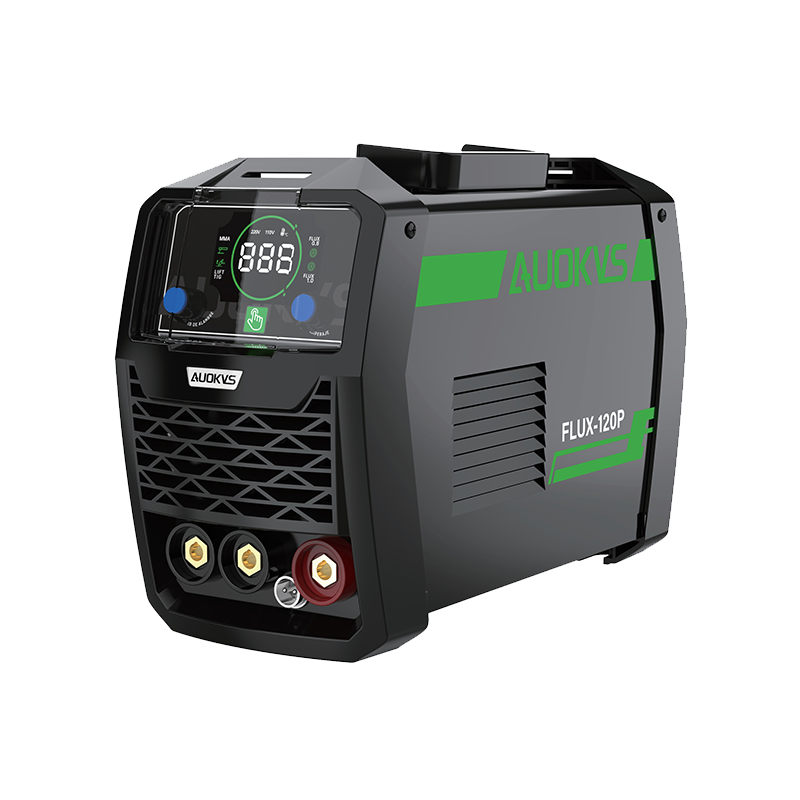
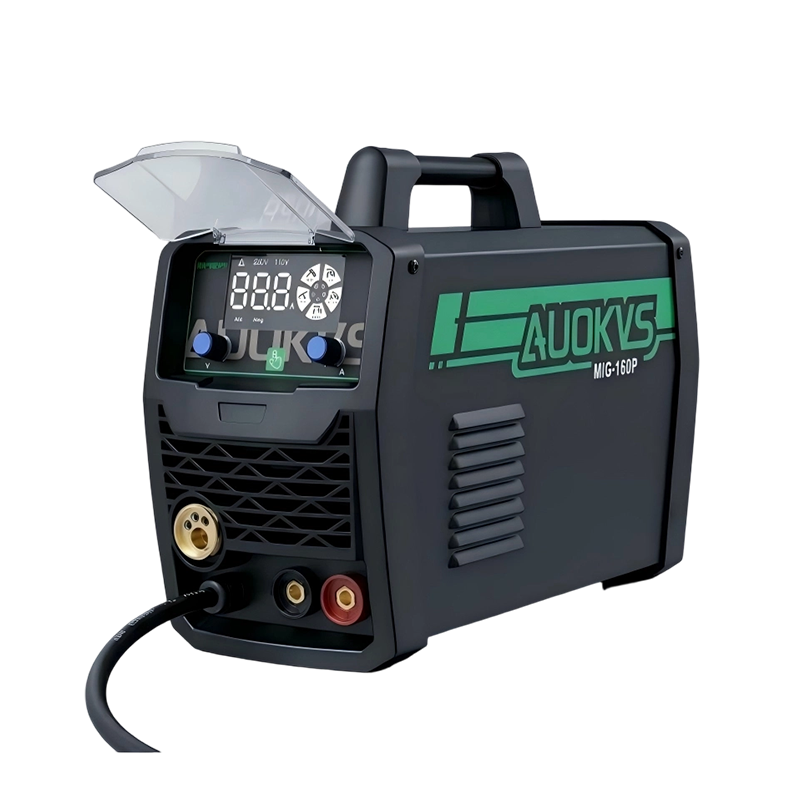
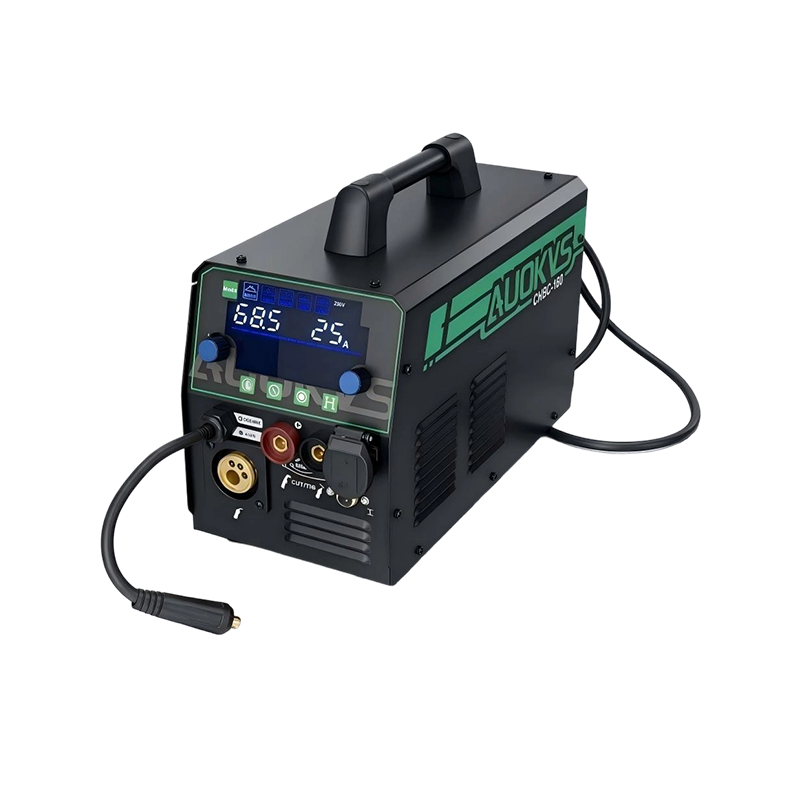
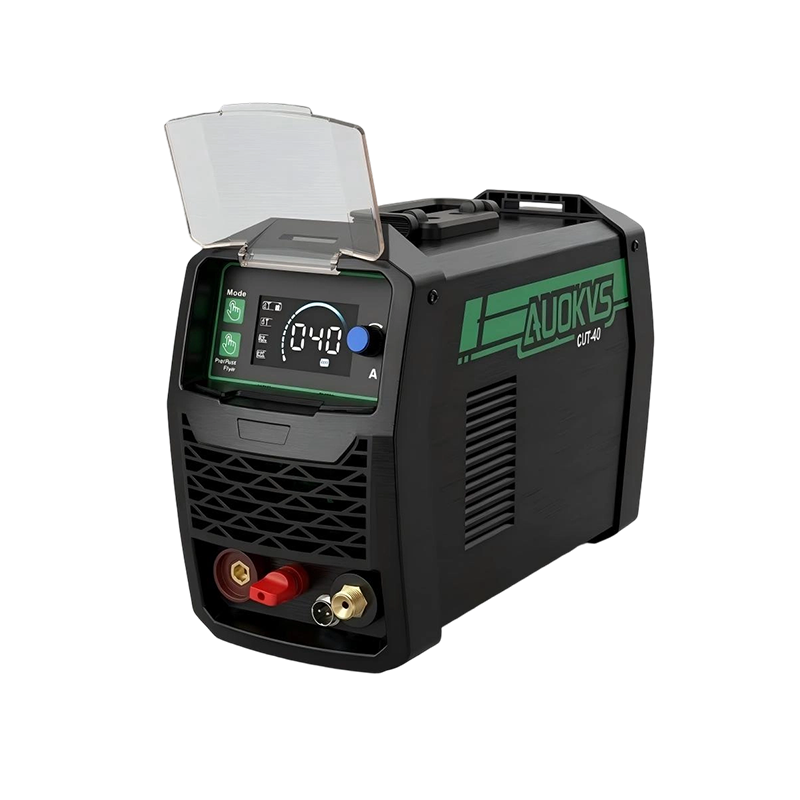
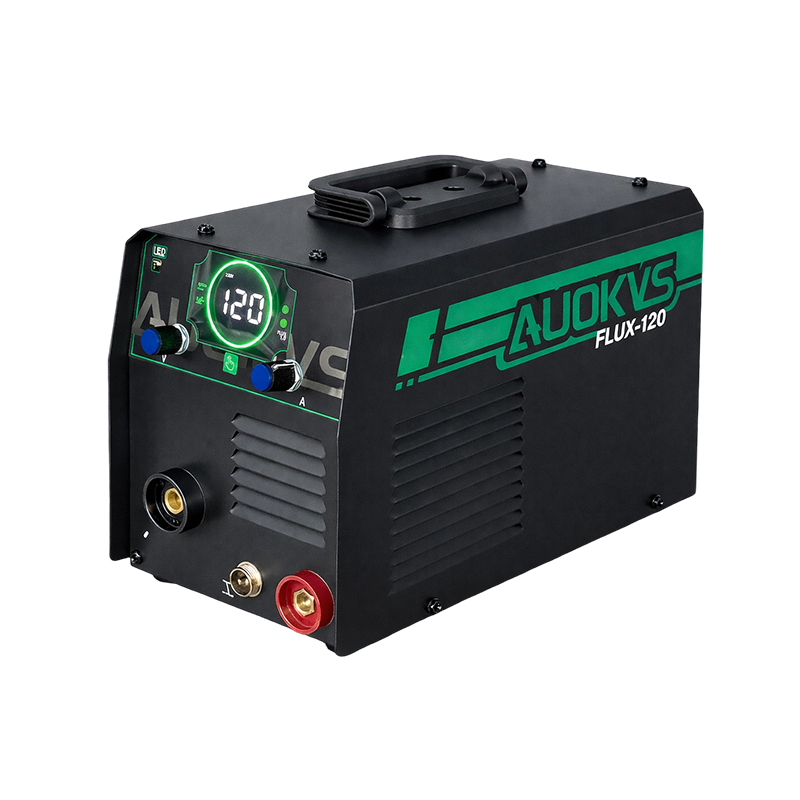
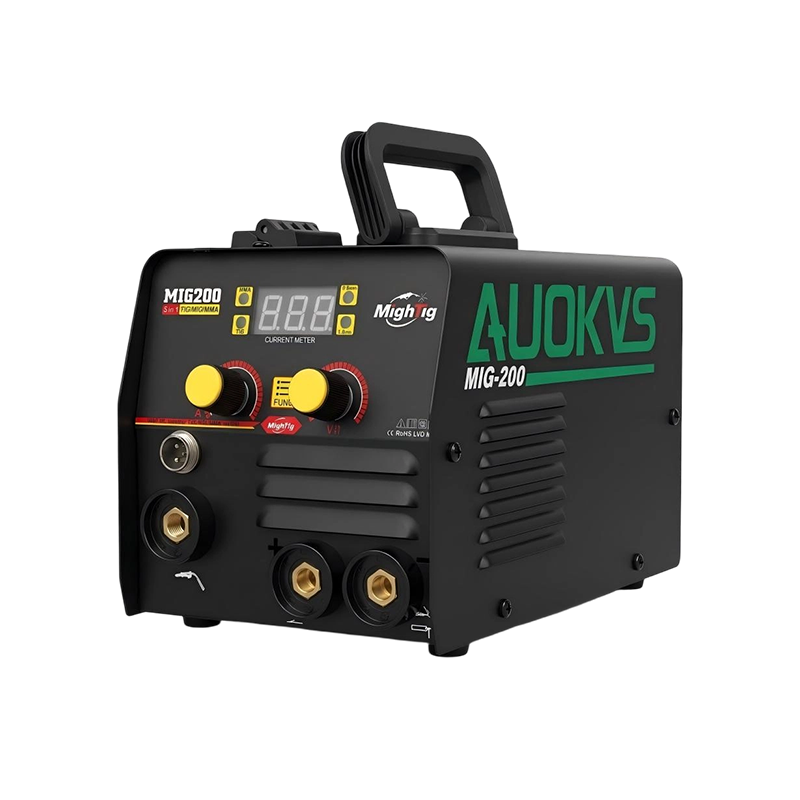
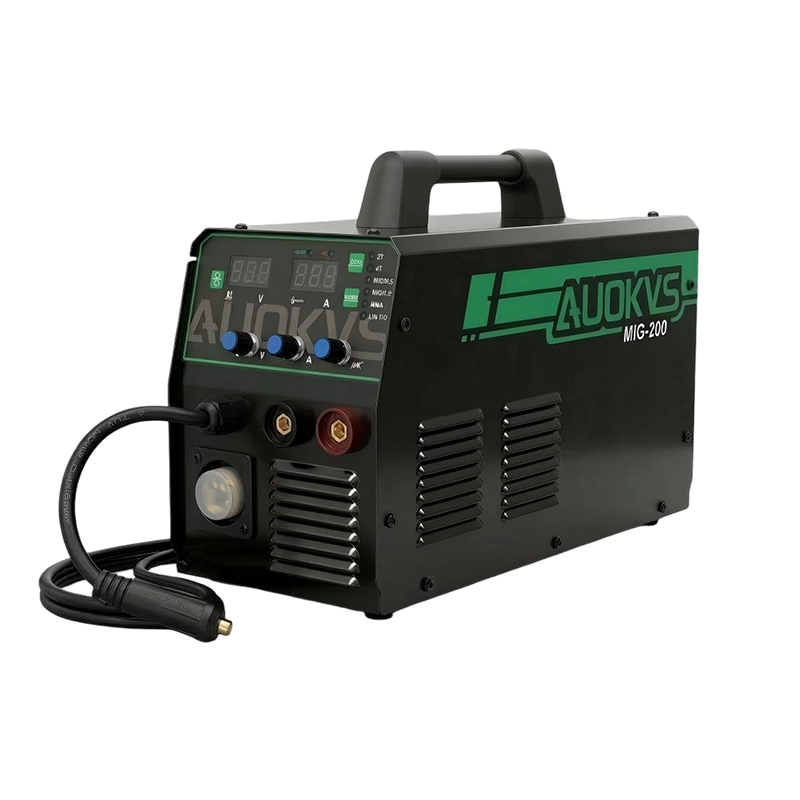
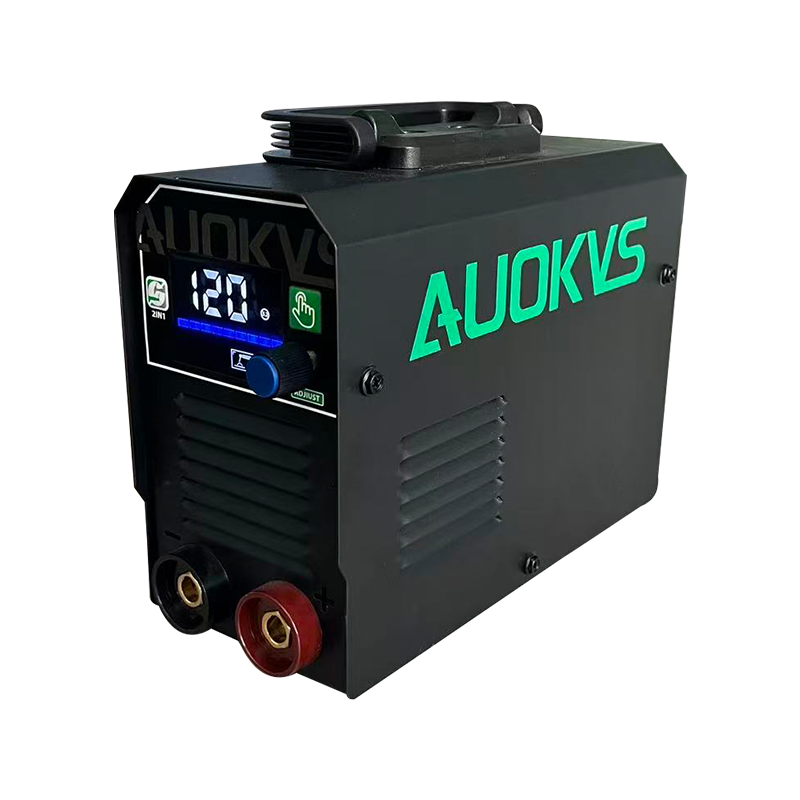
- Relevance to Low MOQ Welder Supplier products: Many low MOQ welder suppliers design equipment with precise heat input control, enabling small-scale or prototype operations while reducing distortion.
Understanding the Causes of Heat Distortion
- Excessive heat input: High amperage or slow travel speed produces more heat than necessary.
- Uneven thermal distribution: Irregular bead placement can create localized expansion and contraction.
- Material properties: High-carbon steel and thin metals are more prone to warping and cracking.
- Joint design: Long, rigid components with restricted expansion are susceptible to residual stress.
Pre-Welding Preparation Techniques
- Material cleaning: Remove contaminants that could create uneven melting.
- Preheating: Heating thicker metals before welding reduces thermal gradients and stress.
- Clamping and fixturing: Secure parts to prevent movement and distribute heat evenly.
- Joint design adjustments: Adding relief cuts or spacing reduces stress concentration.
Controlling Heat Input During Welding
- Optimize amperage: Use a low current sufficient to achieve proper penetration.
- Adjust travel speed: Move the welding torch at a consistent speed to prevent overheating.
- Layered welding: For thick sections, use multiple passes with controlled heat to prevent distortion.
- Interpass cooling: Allow the metal to cool partially between welds to reduce residual stress.
Advanced Techniques for Minimizing Distortion
- Back-step welding: Weld in the opposite direction of the overall progression to counteract shrinkage.
- Skip or staggered welding: Space welds apart to avoid the concentration of heat in one area.
- Balanced sequencing: Weld symmetrically to distribute thermal expansion evenly.
- Peening: Light hammering of hot welds can relieve stress and reduce crack formation.
Crack Prevention Strategies
- Preheating sensitive metals: Reduces rapid cooling, which is a common cause of cold cracks.
- Post-weld heat treatment: Annealing or stress-relieving heat cycles improve ductility and reduce residual stress.
- Use appropriate filler materials: Match thermal expansion and mechanical properties to base metal.
- Avoid hydrogen contamination: Clean the electrode and filler metal to prevent hydrogen-induced cracking.
Benefits of Controlled Welding from Low MOQ Suppliers
- Precise heat management: Small-batch or prototype welders often have better control for delicate applications.
- Customizable equipment: Low MOQ suppliers can provide machines tailored to specific heat control needs.
- Cost-effective experimentation: Small-scale welders allow testing of techniques without large equipment investment.
- Repeatability: Controlled current and heat input ensure consistent weld quality across small production runs.
Practical Tips for Operators
- Monitor welding parameters: Track amperage, voltage, and travel speed continuously.
- Maintain consistent electrode angles: Improper angles can concentrate heat unevenly.
- Use temporary clamps or jigs: Secure parts to reduce warping during welding.
- Inspect welds in stages: Detect early signs of cracking or distortion before completing the assembly.
Heat distortion and cracking are common challenges in welding, particularly for thin metals or complex assemblies.
By optimizing heat input, controlling travel speed, using preheat and post-weld techniques, and employing layered or skip welding, operators can significantly reduce these issues.
Low MOQ Welder Supplier equipment provides precise control over welding parameters, making it ideal for prototype, small-batch, or sensitive welding projects.
Proper preparation, careful heat management, and appropriate welding techniques ensure strong, visually appealing, and structurally sound welds while reducing the risk of warping and cracks.
 Previous