

 EN
EN English
 Español
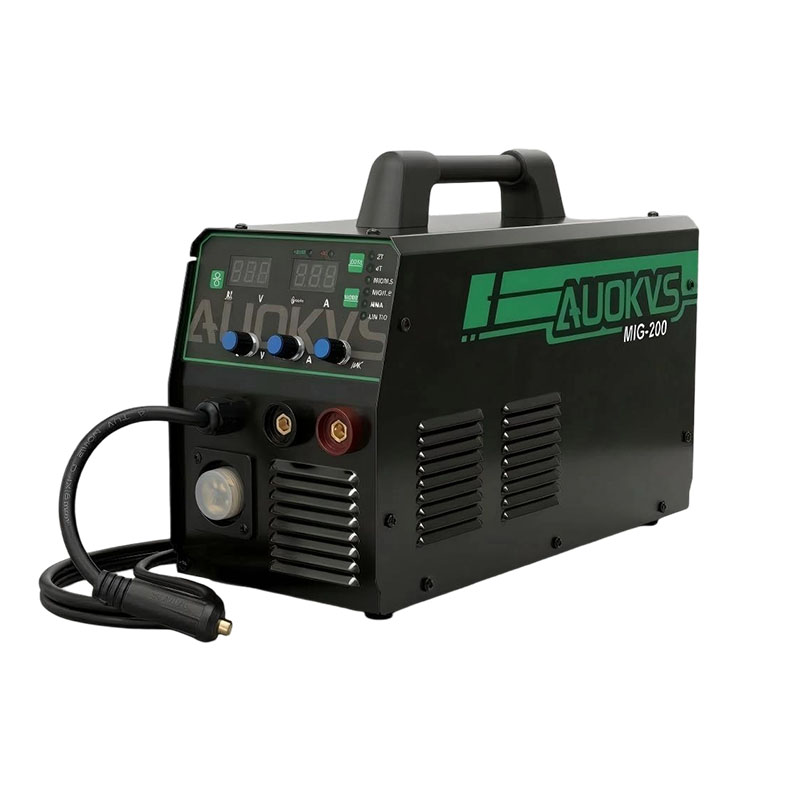
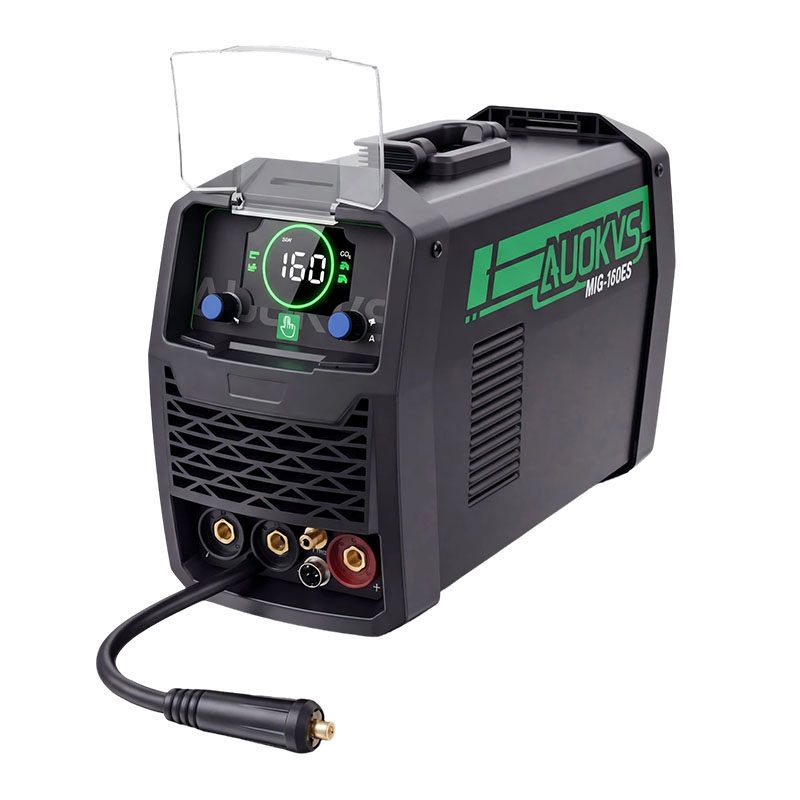


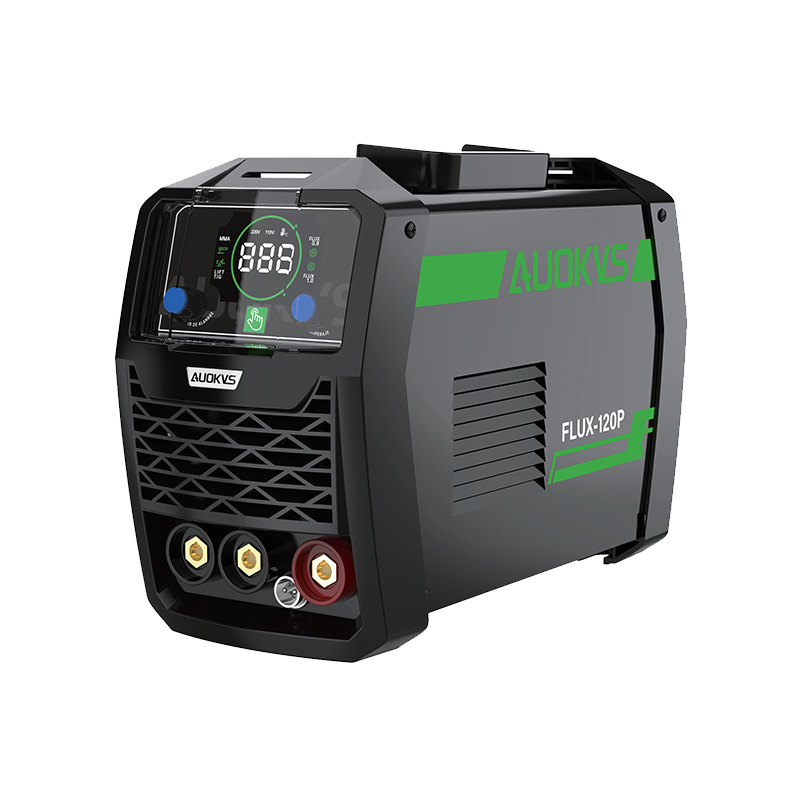


The term MIG (Metal Inert Gas) welding is synonymous with a high-quality, efficient, and versatile welding process. MIG welding, also known as Gas Metal Arc Welding (GMAW), is widely used across various sectors due to its ability to weld a broad range of metals, particularly mild steel. The MIG welding process utilizes a continuous solid wire electrode fed from a spool, which is melted and transferred to the workpiece through an electric arc. An inert shielding gas, typically argon or a mixture of argon and carbon dioxide, is used to protect the weld pool from atmospheric contamination.
The product range highlighted on the provided webpage offers a comprehensive selection of MIG welders designed to cater to the needs of both professional welders and hobbyists. These welders are engineered with user-friendliness, power, and portability in mind, making them suitable for a variety of applications, from automotive repair and fabrication to construction and heavy industry.
One of the key features of modern MIG welders is their digital inverter technology. This technology allows for a more efficient transfer of electrical energy to the welding arc, resulting in less heat loss and higher energy utilization. The inverters are lighter and more compact than traditional transformer rectifier (TR) units, which makes the welders more portable and easier to transport to different job sites.
The webpage showcases MIG welders with varying wire feeding speeds and amperage ranges, catering to different welding thicknesses and materials. For instance, some models are capable of handling thin-gauge metals with precision, while others are designed for heavy-duty applications, such as structural steel or aluminum. The ability to adjust wire feed speed and voltage allows welders to fine-tune their setup for suitable performance, ensuring a consistent and high-quality weld.
Another important aspect of MIG welding is the choice of shielding gas. The webpage likely features welders that can accommodate different gas mixtures, which can impact the quality of the weld and the type of material being joined. For example, 100% argon is often used for non-ferrous metals like aluminum, while a mixture of argon and carbon dioxide is common for steel. The right gas mixture can reduce porosity, improve weld appearance, and enhance the overall integrity of the joint.
The MIG welders mentioned on the webpage also boast features such as smooth start and anti-stick technology. Smooth start control ensures a stable arc initiation, which is particularly beneficial for beginners or when working on thin materials. Anti-stick technology helps prevent the welding torch from sticking to the workpiece, which can be a common issue during the MIG welding process.
Safety is a paramount concern in any welding operation, and the MIG welders featured are likely equipped with safety features to protect the user. These may include thermal overload protection to prevent damage to the welding machine during extended use, and non-stick tips to reduce the risk of electric shock.
In terms of usability, the MIG welders are likely designed with user convenience in mind. Features such as a clear digital display for easy adjustments, a comfortable grip for the welding torch, and a compact design for easy storage and transportation are all likely considerations in the product design.
For professional welders, the efficiency and speed of MIG welding can significantly reduce production time and increase output. For hobbyists and DIY enthusiasts, the ease of use and versatility of MIG welding make it an attractive option for a wide range of projects.
The MIG welders presented on the webpage are representative of the advancements in welding technology. They offer a blend of power, portability, and user-friendly features that make them indispensable tools in the modern welding industry. Whether for heavy industrial applications or lighter DIY tasks, these welders are designed to deliver high-quality results with ease and reliability.



