EN
EN English
 Español
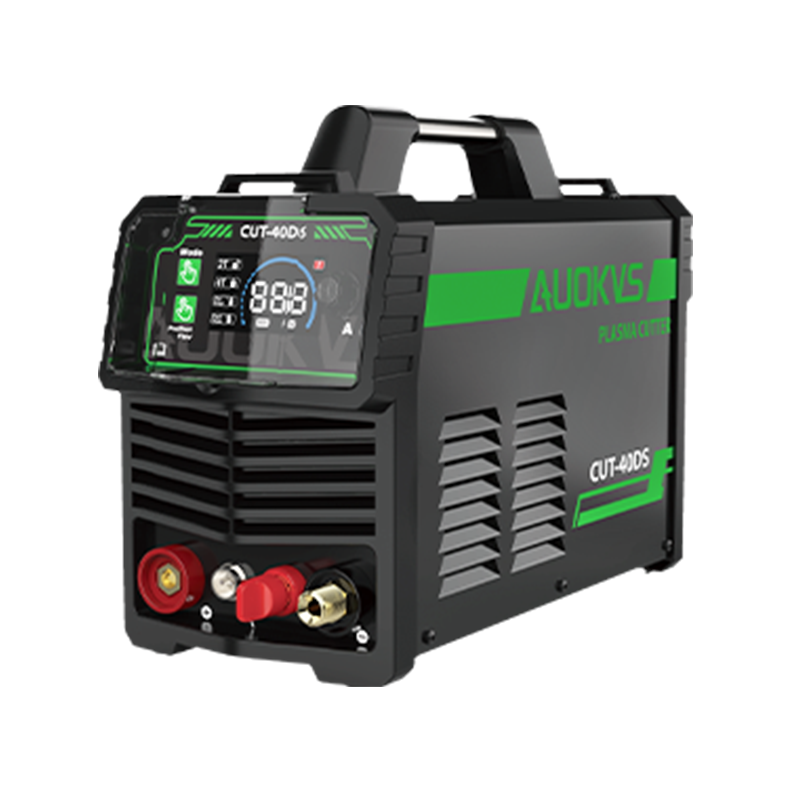
Introduction to ODM Welding Equipment
Precision welding is essential in industries such as aerospace, electronics, automotive, and medical device manufacturing.
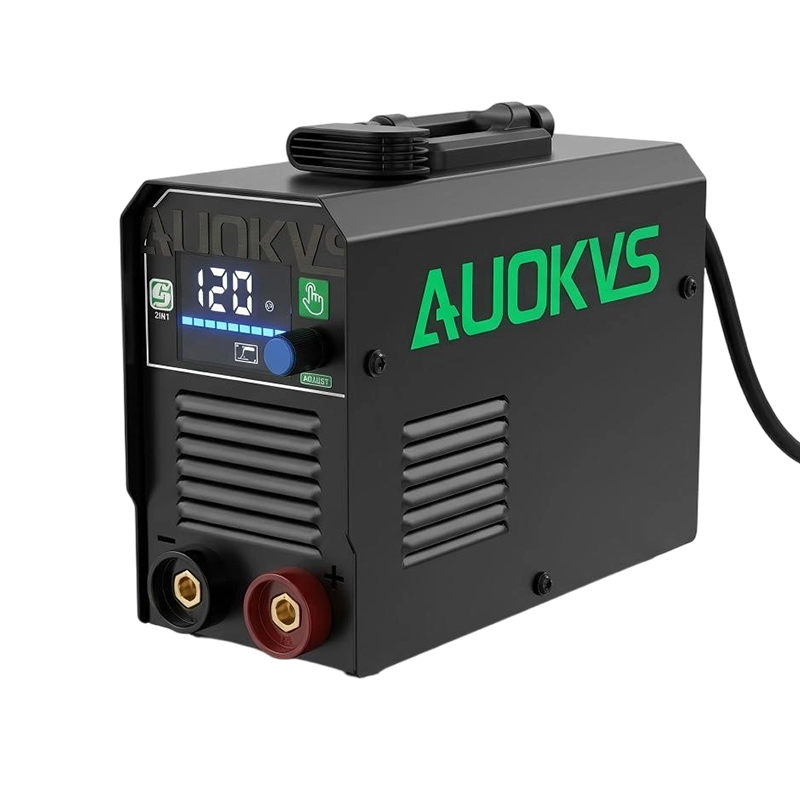
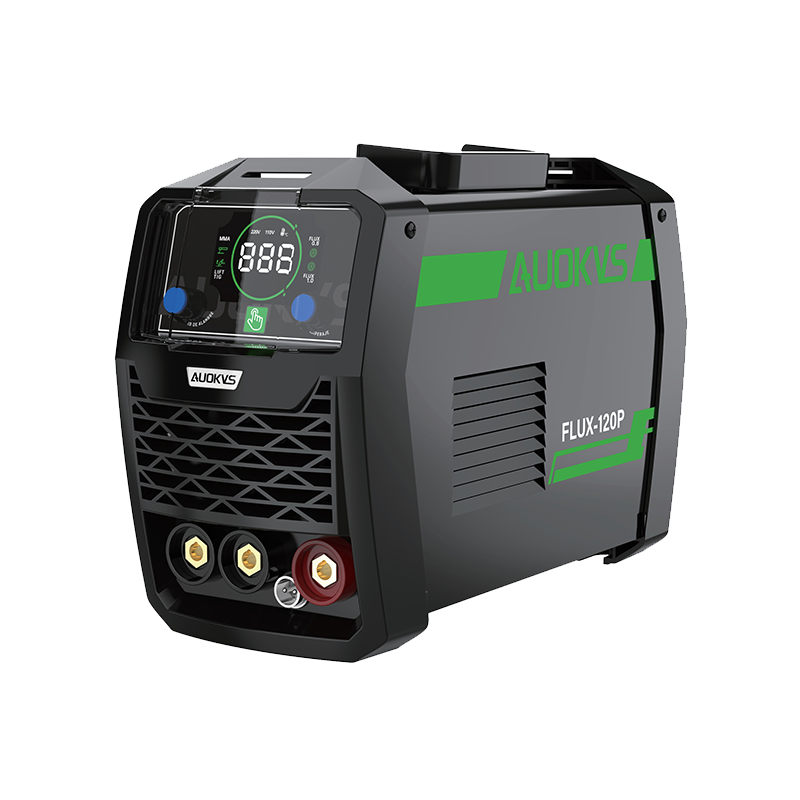
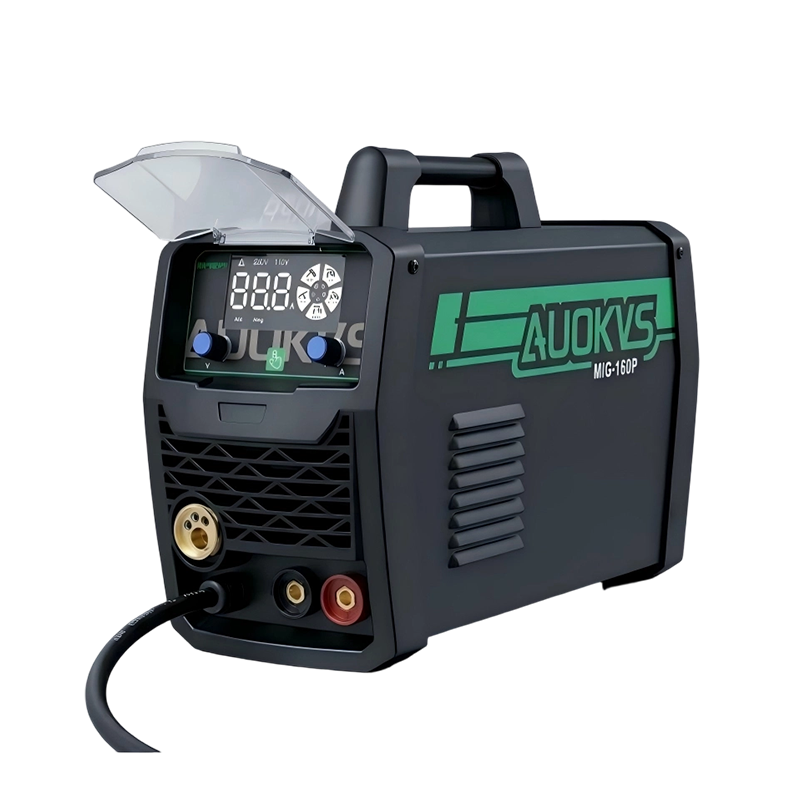
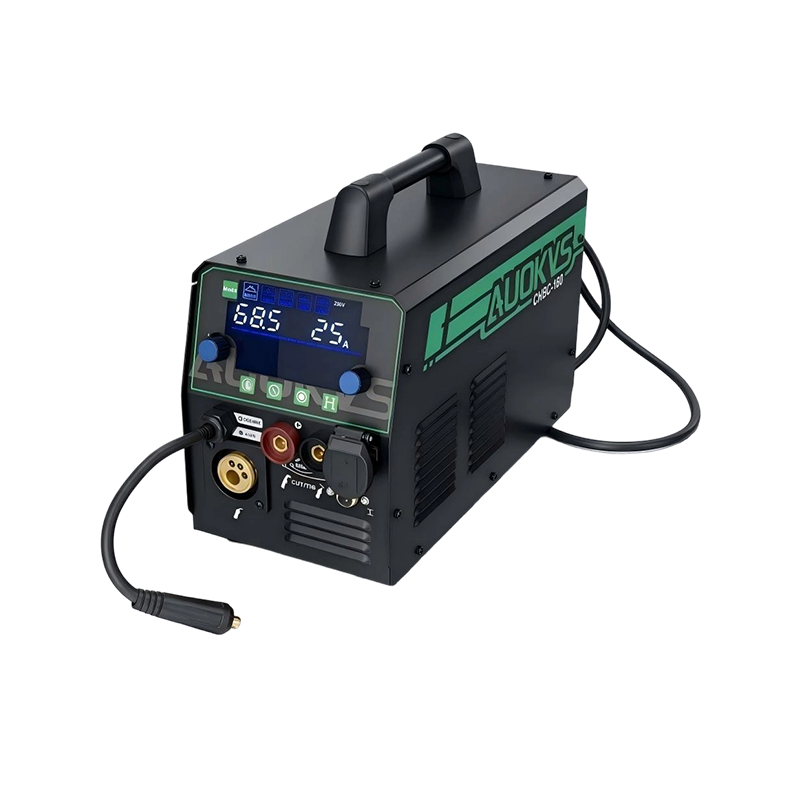
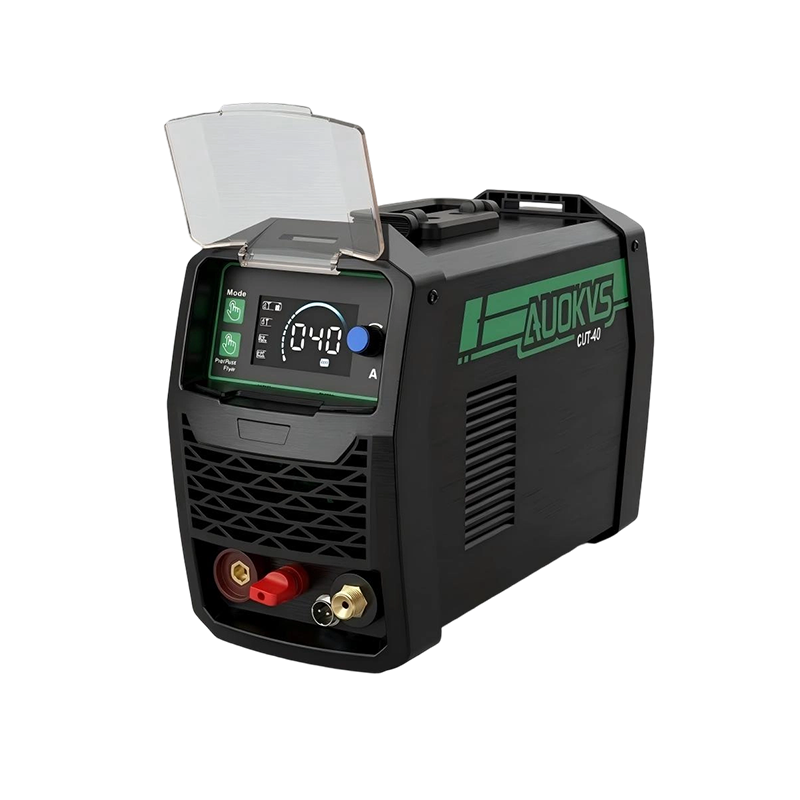
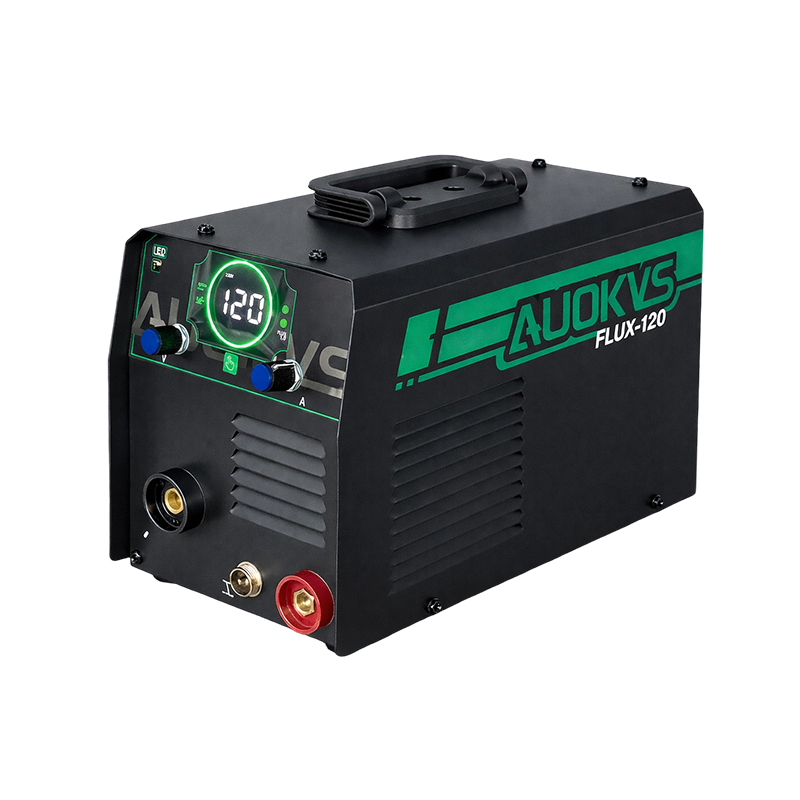
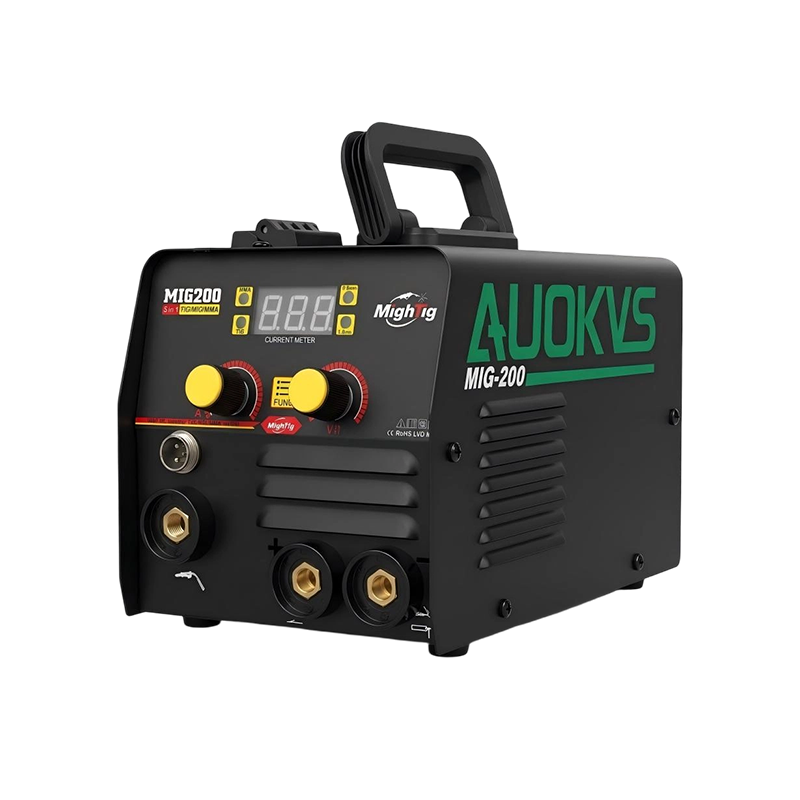
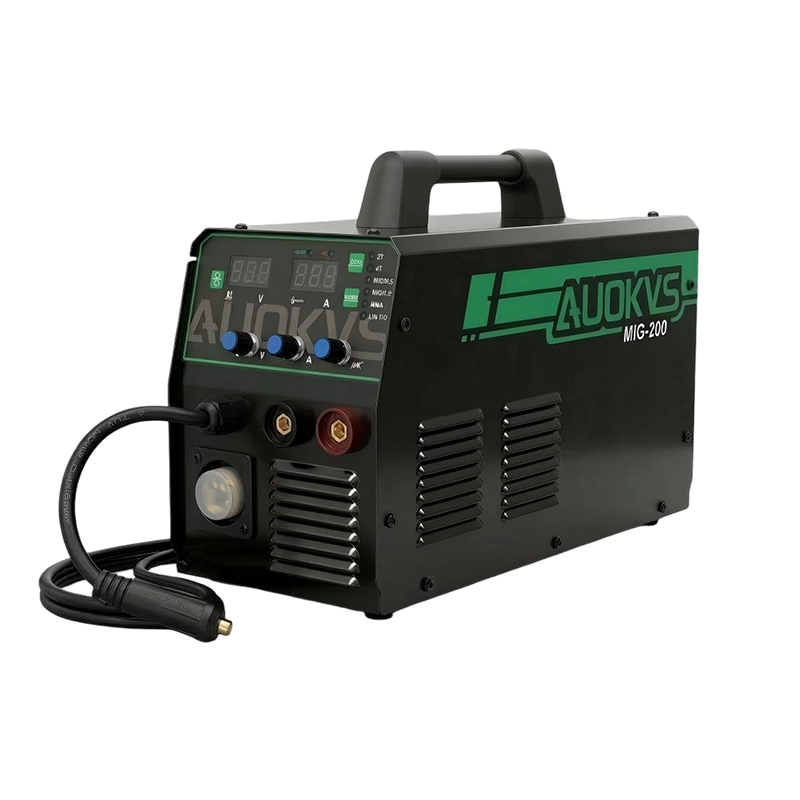
The ODM Welding Equipment is designed to deliver high accuracy, stable arc control, and repeatable welds for small-scale and high-precision applications.
Efficiency in these tasks depends not only on operator skill but also on the technological capabilities of the equipment.
Key Factors Affecting Efficiency
Arc Stability:
- Stable arcs reduce spatter and the need for rework.
- ODM welding systems provide consistent current and voltage output for uniform bead formation.
Heat Control:
- Proper heat input ensures precise penetration without damaging thin or sensitive materials.
- Pulse and adjustable current settings allow operators to manage heat effectively for different workpieces.
Automation and Repeatability:
- Built-in automation features allow multiple welds to be performed with the same parameters.
- Reduces human error, increases throughput, and maintains high-quality standards.
Performance on Thin Materials
1. Challenges with Thin Metals:
Thin metals are prone to burn-through, warping, and uneven welds if heat is not properly controlled.
2. ODM Equipment Advantages:
Fine current adjustments and pulse welding modes decrease heat input while maintaining weld strength.
High-frequency arc start ensures clean initiation without contaminating electrodes.
3. Practical Tips:
Test welds on scrap material to optimize settings.
Use proper shielding gas to prevent oxidation or contamination.
Performance on Medium-Thickness Materials
- Characteristics of Medium Materials:
Metals between 3 mm and 10 mm require sufficient heat for proper penetration while avoiding excessive distortion.
- ODM Welding Efficiency:
Adjustable voltage and current ranges allow operators to match settings with material thickness.
Stable arcs and consistent penetration reduce defects, saving time and consumables.
- Practical Tips:
Monitor bead appearance to ensure uniformity.
Maintain a steady travel speed to optimize penetration and decrease spatter.
Performance on Thick Materials
Challenges with Thick Metals:
Metals over 10 mm require high heat input for full penetration, often needing multi-pass welds.
ODM Equipment Capabilities:
- High-current output and precise control allow deep penetration with several reworkings.
- Thermal management systems prevent overheating and maintain performance during long welding sessions.
Practical Tips:
- Use multi-pass techniques for very thick materials.
- Preheat thick plates if necessary to reduce thermal stress and cracking.
Features Contributing to Efficiency
- IGBT Technology:
Provides fast, precise control of current and voltage.
Enhances arc stability, allowing efficient and high-quality welds.
- Pulse Welding Functionality:
Reduces heat input, improves bead appearance, and decreases spatter.
Particularly useful for thin or sensitive materials.
- Cooling System:
Proper cooling ensures the equipment can handle extended welding tasks without overheating.
Water or air cooling prevents thermal damage to electronic components.
- User-Friendly Interface:
Easy parameter adjustments and programmable settings reduce setup time and learning curve.
Operational Good Practices
- Conduct test welds for each material thickness to find the suitable settings.
- Regularly maintain electrodes, torches, and cooling systems for consistent performance.
- Use the appropriate shielding gas and electrode types for the material being welded.
- Train operators to understand both the machine capabilities and material behavior to improve efficiency.
Conclusion
- The ODM Welding Equipment offers high efficiency and precision across a range of material thicknesses.
- Features such as stable arcs, IGBT technology, pulse welding, and effective cooling systems contribute to reduced rework, improved quality, and faster throughput.
- Thin metals benefit from controlled heat input, medium metals from consistent penetration, and thick metals from high-current multi-pass capabilities.
- Combining advanced equipment features with proper operator technique ensures suitable efficiency and reliable results in precision welding applications.
 Previous