

 EN
EN English
 Español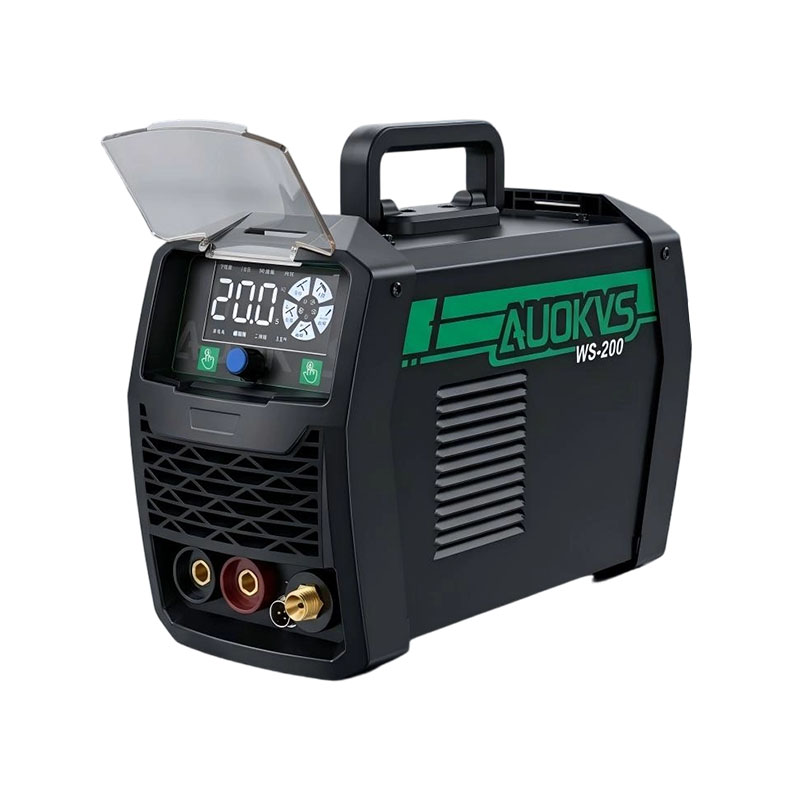


Tungsten Inert Gas (TIG) welding is a highly regarded welding process known for its versatility, precision, and the high-quality finish it offers. It is particularly favored in industries where precision and cleanliness are paramount, such as aerospace, automotive, and shipbuilding industry. This method uses a non-consumable tungsten electrode to produce an electric arc between the electrode tip and the workpiece. The weld area is shielded from atmospheric contamination by an inert gas, which is typically argon or a mixture of argon and helium, hence the term "inert gas."
The TIG welding machines featured on the webpage are designed to provide a robust solution for various welding applications. These machines are engineered to handle a range of materials, including but not limited to stainless steel, aluminum, magnesium, and their alloys. The ability to weld these materials with precision is critical in industries where material integrity and structural strength are non-negotiable.
One of the key advantages of TIG welding is its ability to provide a controlled heat input, which reduces distortion and allows for the welding of thin sections that would otherwise be difficult with other processes. This precision is achieved through the use of a foot pedal that controls the welding current, allowing the operator to finely adjust the heat input. The TIG welding machines on the webpage likely feature such a control system, enabling operators to achieve the desired heat balance for suitable results.
TIG welding also offers the benefit of a deep penetration capability, which is particularly useful in heavy-duty applications. The process can be performed in all positions, including flat, horizontal, vertical, and overhead, making it a versatile choice for a variety of welding scenarios. The TIG welding machines are likely equipped with features that support these different positions, such as adjustable torch angles and balance, ensuring comfort and ease of use for the operator.
Another critical aspect of TIG welding is the availability of different types of TIG torches, which can be chosen based on the application and the welder's preference. These torches can be water-cooled or air-cooled, with the former being suitable for longer welding times without overheating. The product range on the webpage may include a selection of torches to cater to these needs.
Safety is a paramount concern in any welding operation, and TIG welding is no exception. TIG welding machines are designed with safety features such as high-frequency starting and anti-sticking functions to prevent the electrode from sticking to the workpiece. These features not only enhance the welding process but also protect the operator from potential hazards.
In terms of quality and consistency, TIG welding is well. The process allows for the creation of a smooth, clean weld with minimal spatter, which is ideal for applications where aesthetics are important, such as in the fabrication of architectural features or automotive components. The TIG welding machines on the webpage are likely equipped with advanced electronics that ensure a stable arc and consistent performance, which are crucial for maintaining weld quality.
Maintenance and longevity are also considerations when choosing a TIG welding machine. High-quality components and robust construction are essential for withstanding the rigors of industrial use. The machines featured on the webpage are likely built with durable materials and designed for easy maintenance, ensuring a long service life and reducing downtime.
The TIG welding machines highlighted on the webpage represent the state-of-the-art in welding technology. They embody the precision, control, and quality that TIG welding is known for, making them a good choice for professionals who demand high standards in their welding operations. Whether for industrial production, repair work, or artistic fabrication, these machines are equipped to deliver good results.



