EN
EN English
 Español
Repair work no longer stays inside a fixed workshop. Farms, construction areas, utility sites, mountain roads, coastal facilities, warehouses, and temporary work zones all create situations where damaged metal parts require attention before equipment can return to normal operation. Moving heavy machinery to another location often costs time and interrupts daily tasks, making field maintenance a practical choice whenever conditions allow.
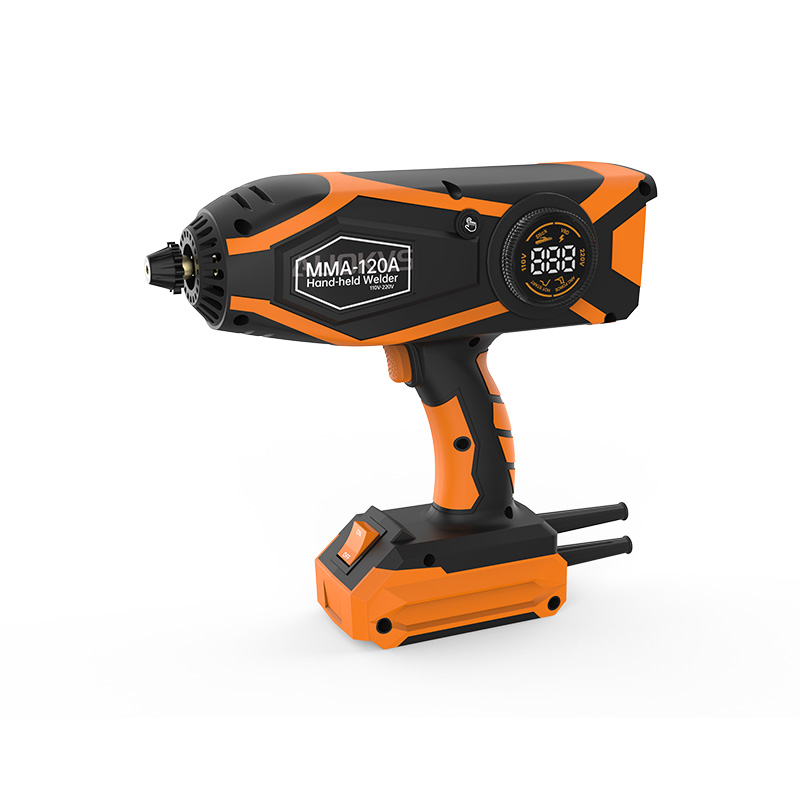
A suitable welding machine plays an important role during outdoor maintenance. Size, weight, transportation, setup, and operating conditions all influence daily efficiency. Among many available options, a Portable MMA Welder has become a common choice for repair teams working across changing environments because mobility and practical operation matter as much as welding capability when work takes place far from a permanent workshop.
Remote repair often demands flexibility instead of complicated preparation. Equipment capable of adapting to different locations helps maintenance crews complete routine repairs with fewer interruptions while keeping tools organized throughout each stage of the job.
What Challenges Are Common in Remote Repair Work
Working away from a workshop introduces many conditions that cannot always be planned in advance. Every location presents different obstacles, requiring maintenance personnel to adjust equipment and working methods without unnecessary delays.
Road conditions often affect transportation. Narrow paths, uneven ground, muddy surfaces, or temporary access routes can make moving large machines difficult. Every additional piece of equipment increases handling effort before repair even begins.
Power conditions also vary from place to place. Some locations provide temporary electrical access, while others depend on portable generators or limited power sources. Repair equipment must adapt to available conditions instead of relying on fixed installations.
Weather creates another layer of uncertainty. Wind, dust, moisture, and changing temperatures influence outdoor maintenance throughout the working day. Equipment selected for field service should remain practical under changing surroundings without requiring complicated preparation.
Repair schedules rarely follow predictable patterns. Mechanical failure can appear during daily production, transportation, agricultural work, or infrastructure maintenance. Fast preparation often becomes more valuable than complicated equipment arrangements because every unnecessary delay extends downtime.
How Does A Portable MMA Welder Support Mobility
Mobility begins long before welding starts. Transportation, unloading, positioning, and storage all influence overall working efficiency.
Compact equipment reduces physical effort during movement between locations. Maintenance personnel frequently carry tools across uneven ground, climb stairs, or enter confined workspaces where large machines become difficult to position.
A lighter working setup also simplifies vehicle loading. Service vehicles often transport many different tools, replacement parts, protective equipment, and inspection devices. Saving space allows better organization while reducing unnecessary handling during each repair visit.
Another practical advantage appears when several repair points exist within one worksite. Instead of repeatedly moving heavy equipment, operators can relocate more easily as maintenance progresses from one damaged component to another.
Mobility also supports temporary maintenance projects where permanent workshops remain unavailable. Portable equipment allows repairs to continue wherever safe working conditions can be established.
Small improvements in transportation often produce noticeable improvements throughout an entire maintenance schedule.
Why Is Power Flexibility Important During Field Repairs
Electrical conditions differ from one workplace to another. Some repair locations provide reliable power, while others offer only temporary connections for maintenance work.
Preparation becomes easier when equipment adapts to available electrical conditions instead of requiring specialized installation before operation begins.
Power flexibility also supports maintenance planning across different projects. Repair teams frequently travel between facilities with different electrical environments. Carrying one practical machine instead of multiple specialized units reduces equipment management during daily operations.
Stable operation under changing electrical conditions contributes to smoother repair progress. Interruptions caused by unsuitable power arrangements can extend working time, especially when damaged equipment remains critical to surrounding operations.
Field maintenance often values consistency over complexity. Reliable performance under ordinary working conditions helps maintenance personnel focus attention on repair quality instead of equipment adjustment.
How Does Electrode Welding Match Outdoor Maintenance
Outdoor maintenance usually differs from factory production. Repair work often involves damaged brackets, worn frames, cracked supports, gates, fences, machinery components, or structural parts that require practical restoration instead of continuous manufacturing.
Electrode welding suits many maintenance situations because supporting equipment remains relatively simple. Fewer additional components reduce transportation requirements while simplifying preparation before work begins.
Different repair tasks also involve different metal thicknesses and structural shapes. Maintenance crews rarely encounter identical repair conditions throughout a working week. Flexible operating methods help accommodate changing repair needs without frequent equipment replacement.
Field repairs commonly include:
- Equipment frames
- Agricultural machinery
- Metal fences
- Support brackets
- Maintenance platforms
- Pipe supports
- Workshop structures
- Storage racks
Repair quality depends not only on welding skill but also on selecting suitable equipment for surrounding working conditions.
Another practical benefit comes from easier movement between repair locations. Once one repair finishes, equipment can often be relocated without extensive disassembly, allowing maintenance work to continue with fewer interruptions.
What Environmental Conditions Influence Equipment Selection
Outdoor environments rarely remain constant throughout an entire project. Equipment must travel through transportation, storage, setup, operation, and return without unnecessary complications.
Several environmental factors deserve attention before selecting field welding equipment.
| Working Condition | Possible Challenge | Practical Equipment Requirement |
|---|---|---|
| Dusty areas | Dust entering equipment | Protective housing and routine cleaning |
| Damp surroundings | Moisture exposure | Careful storage and dry operating conditions |
| Uneven ground | Difficult positioning | Stable placement before operation |
| Frequent transportation | Repeated handling | Durable outer structure |
| Temporary workplaces | Limited working space | Compact equipment layout |
Regular inspection becomes part of everyday maintenance rather than an occasional task. Cleaning ventilation openings, checking cables, inspecting connectors, and storing equipment properly all contribute to reliable operation over time.
Environmental awareness also supports operator safety. Selecting a stable working position, organizing cables carefully, and keeping surrounding areas clear help reduce unnecessary risks while improving overall workflow.
How Does A Simple Setup Help Field Repairs Move Forward
Every repair begins long before an arc appears. Tools are unloaded, damaged areas are checked, safe working space is cleared, and materials are prepared. Remote jobs often leave little room for unnecessary steps, so a straightforward setup naturally becomes part of an efficient working routine.
A Portable MMA Welder suits that rhythm because carrying and placing the machine usually requires less effort than moving larger equipment. Once everything reaches the repair point, attention can remain on worn joints, cracked frames, or damaged supports instead of dealing with a complicated installation.
Another situation appears quite often during outdoor maintenance. One repair may uncover another nearby problem. A loose bracket leads to a cracked support, or a damaged frame reveals wear around connecting sections. Rather than returning to a vehicle every time, maintenance personnel can shift equipment across the site without interrupting the overall pace of work.
Working habits also become smoother after repeated field experience. Many technicians naturally settle into a practical sequence instead of following a rigid process.
- Walk around the damaged area before starting.
- Remove dirt, rust, or loose material.
- Arrange cables away from normal walking routes.
- Place equipment where movement remains comfortable.
- Finish one repair before changing locations.
- Pack tools in the same order every time.
Such routines rarely attract attention during a busy day, yet they often make the difference between an orderly workplace and unnecessary confusion.
Temporary work areas create another challenge. Repairs may take place beside storage racks, underneath machinery, near fences, or inside narrow service passages where every square meter matters. Compact equipment leaves more space for movement and reduces obstacles around the operator.
Keeping commonly used tools close at hand also helps maintain a steady working pace. Looking for missing gloves, misplaced electrodes, or scattered hand tools interrupts concentration far more than many people expect.
What Should Receive Attention Before Welding Begins
Remote locations bring changing surroundings, making careful observation part of everyday work rather than an occasional precaution.
Ground conditions deserve an early inspection. Loose stones, wet soil, uneven concrete, or soft surfaces can affect equipment placement. Spending a few moments selecting a suitable position often prevents unnecessary adjustments later.
Cable condition should never be overlooked. Repeated transportation naturally causes bending and twisting over time. Looking along the full cable length before each repair makes worn insulation or damaged connectors easier to notice.
Personal protective equipment remains equally important regardless of project size. Welding masks, gloves, protective footwear, and suitable clothing help create safer working conditions throughout the repair process.
Nearby surroundings deserve equal consideration. Containers, dry materials, discarded packaging, and unrelated tools should stay outside the immediate work zone. A cleaner area allows easier movement while reducing avoidable distractions.
Natural light changes throughout the day as well. Shadows created by machinery, buildings, or surrounding structures may make inspection more difficult. Taking a moment to improve visibility often supports cleaner repair work.
Many maintenance crews finish every project with nearly identical checks.
- Disconnect equipment carefully.
- Allow components to cool before moving them.
- Roll cables without sharp bends.
- Remove leftover metal fragments.
- Return unused materials to proper storage.
- Inspect completed repairs once more before leaving.
Repeated daily habits gradually become routine, requiring little extra effort while supporting safer working practices.
Why Can One Machine Serve Different Repair Tasks
Field maintenance covers a wide range of workplaces. Daily schedules often include different equipment, different surroundings, and different repair needs.
Agricultural machinery provides one example. Gates, trailers, equipment frames, and supporting brackets experience regular stress during ordinary use. Carrying damaged machinery back to a workshop is not always practical, making on-site repair a reasonable choice.
Construction projects present another working environment. Temporary structures, handling equipment, steel supports, and maintenance platforms occasionally require attention while surrounding work continues.
Warehouse maintenance follows a different pattern. Storage racks, loading equipment, transport carts, and protective barriers gradually wear through repeated handling. Repairing individual sections where they stand often causes less disruption than removing complete assemblies.
Public facilities also require routine metal repairs. Railings, fences, access gates, maintenance walkways, and supporting structures remain exposed to changing outdoor conditions throughout their service life.
Small industrial sites regularly repair movable fixtures, work tables, handling frames, and equipment supports without stopping every nearby activity.
Unexpected mechanical damage fits into another category altogether. Equipment failures rarely appear at convenient moments, so carrying practical welding equipment between locations supports faster response whenever maintenance becomes necessary.
Although every workplace differs, several practical expectations remain similar.
- Equipment should travel easily.
- Working space should remain organized.
- Preparation should stay uncomplicated.
- Moving between repair points should require little effort.
- Daily maintenance should remain manageable.
Requirements like these often shape equipment choices more than additional features.
How Can Routine Care Reduce Unnecessary Interruptions
Regular maintenance does not require complicated procedures. Small tasks carried out consistently often help equipment remain ready for future projects.
Cleaning after each repair removes dust, metal particles, and ordinary dirt collected during outdoor work. A clean machine also makes visual inspection much easier before the next assignment.
Air passages deserve occasional attention because accumulated debris may restrict normal airflow. Removing dirt requires only a short time while helping equipment remain in good working condition.
Cables naturally experience repeated movement during transportation. Checking connectors, insulation, and attachment points allows small signs of wear to be noticed before they become larger problems.
Storage conditions matter as well. Dry surroundings help protect equipment between projects, while neatly arranged cables reduce unnecessary strain during transportation.
Service parts gradually wear through ordinary use. Replacing worn pieces when needed helps avoid interruptions during future repairs.
| Maintenance Item | Everyday Practice |
|---|---|
| Exterior surfaces | Wipe away dust and welding residue |
| Air openings | Keep clean and unobstructed |
| Cables | Look for wear before storage |
| Connectors | Check secure attachment |
| Storage area | Keep equipment dry and organized |
Some repair teams also record basic inspection notes after larger maintenance jobs. Short records make future checks easier without creating extra administrative work.
Remote repair work changes from one location to another, although practical needs remain surprisingly consistent. Easy transportation, convenient positioning, uncomplicated preparation, and regular care all contribute to smoother maintenance activities. A Portable MMA Welder matches those everyday requirements by supporting field repairs across different working environments while remaining straightforward to transport, operate, and maintain.
 Previous