EN
EN English
  Español
 What Defines an Industrial MIG Welding Machine in Production Environments
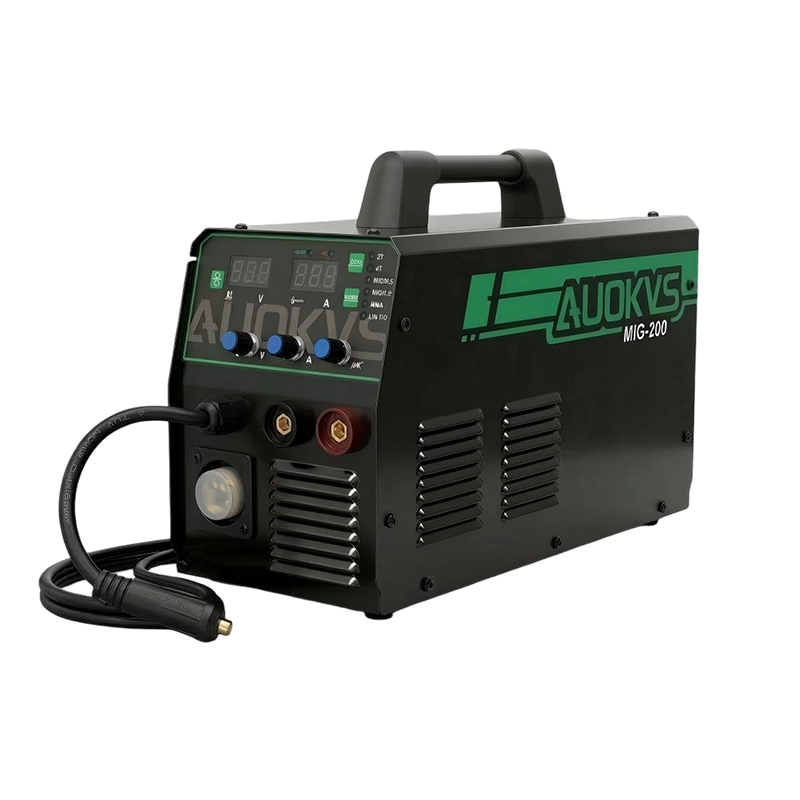
In many workshops, welding is not a single task standing alone. Metal pieces move from cutting, then shaping, then joining. An Industrial MIG Welding Machine becomes part of that chain, handling repeated joint work in a steady rhythm.
MIG welding works through a feeding wire that melts into the joint area while shielding gas protects the weld pool. In production use, the focus is not on one weld, it is on how the machine behaves after hours of repeated operation. A small change in arc movement can show up later as uneven seams or weak contact between parts.
In practical workspaces, such machines are often placed near assembly tables or metal frame stations. Operators move the torch across joints while keeping the wire feed and arc response under control. When the machine stays stable, the weld line tends to form in a predictable shape. When it shifts, extra correction work usually follows.
Common expectations in daily production use include:
- Arc staying steady across long working periods
- Weld bead forming in a similar shape across joints
- Smooth response when material thickness changes
- Less need for rework after welding
Why Do Production Lines Rely on Controlled Welding Output Stability
A production line moves step by step. Welding sits in the middle of that movement, connecting parts that have already been shaped. Once a weld is done, the next station often depends on it being consistent.
When output stays steady, parts move forward without interruption. When output shifts, inspection becomes more frequent. Workers may need to stop and check alignment or surface quality before moving forward.
In real workshops, stability often matters more than raw speed. A fast weld that needs correction later slows the whole process. A steady weld keeps the flow moving.
Practical effects of stable output:
- Weld seams look more even from part to part
- Joints stay closer in shape during repeated work
- Grinding and correction steps become less frequent
- Flow between welding and assembly stays smoother
Small variations in weld quality can also affect how metal parts fit together later. A slight shift in one joint may change alignment in the next step, especially in frame structures.
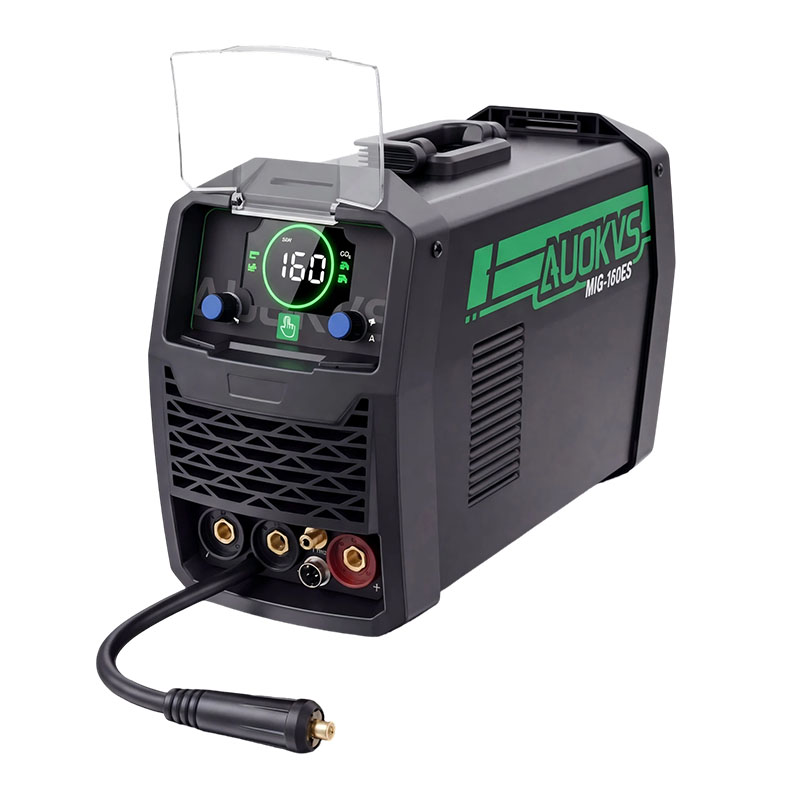
How Does Power Regulation Influence Welding Performance in Industrial Use
Power control in an Industrial MIG Welding Machine decides how much heat reaches the metal surface. That heat shapes how deep the weld goes and how the molten pool behaves during work.
Different materials react differently. Thin metal sheets heat up quickly and need careful control. Thicker parts need more energy to form a solid joint. A machine that allows smooth adjustment helps handle both without changing equipment.
When power stays steady, the arc keeps a calm shape. The weld pool spreads in a controlled way and cools evenly. When power shifts too much, the weld line can look uneven and may need extra finishing.
Practical influence of power control:
- Heat spreads more evenly across the joint area
- Weld depth changes according to material thickness
- Arc remains more stable during longer operation
- Switching between tasks becomes easier
In real use, adjustments are often made while work continues. A responsive system helps avoid stopping the workflow, which is important in production areas where multiple stations depend on each other.
What Role Does Wire Feeding System Play in Production Efficiency
Wire feeding is one of the simplest parts of MIG welding, yet it affects the whole process more than it seems. The wire moves continuously into the arc, melts, and forms the weld joint. When this movement is smooth, welding feels steady. When it becomes uneven, the weld line changes immediately.
In workshop conditions, workers often notice feeding issues through sound and arc behavior. A steady tone usually means the wire is moving properly. A broken or uneven sound may signal inconsistent feeding.
When feeding stays stable:
- Weld lines form without interruption
- Beads look more uniform along long joints
- Arc movement feels smoother during operation
- Stops and corrections become less frequent
Feeding issues can affect even simple tasks. A small pause in wire delivery may leave a visible gap in the weld. That gap usually needs rework before the part moves forward.
In production settings, steady feeding helps keep attention on movement and positioning rather than constant adjustment.
| Functional Area | Role in Welding Process | Production Impact |
|---|---|---|
| Power Regulation | Controls heat and arc behavior | Influences weld consistency |
| Wire Feeding System | Supplies welding material | Affects continuity of weld |
| Cooling Design | Manages internal temperature | Supports long operation cycles |
| Control Interface | Manages adjustments | Affects workflow efficiency |
| Material Adaptation | Adjusts to metal types | Impacts versatility in production |
How Does Cooling Design Affect Long Duration Welding Operations
Welding always brings heat into the machine body, not only the metal joint. When work continues for a long time, that heat slowly builds up inside the system. Cooling design exists to keep that buildup from changing how the machine behaves during operation.
In workshop conditions, cooling is not only about avoiding shutdown. It also influences how steady the arc feels after long running hours. When internal temperature rises too much, small shifts in arc response may appear, even when settings remain unchanged. Weld lines can look slightly different across the same batch of work.
Cooling systems usually move heat away through airflow paths or liquid circulation. The idea is simple, keeping internal parts from staying hot for too long so the welding process keeps its rhythm.
Practical effects seen in daily use:
- Arc stays closer to original stability during long cycles
- Weld seams change less across continuous operation
- Internal parts avoid heat stress buildup
- Machine keeps working without frequent pauses
In production areas where several machines run at the same time, surrounding heat becomes part of the working environment. Cooling design helps reduce the effect of that shared heat, keeping each unit more stable through the day.
Why Is Control Interface Design Important for Industrial Workflow
In real production work, welding settings are rarely fixed from start to finish. Material thickness changes, joint shapes change, sometimes even working speed changes. The control interface becomes the point where all those adjustments happen.
A simple and clear control layout makes a difference during busy work. When adjustments are easy to reach and understand, operators do not need to stop the process for long. When layout is unclear, even small changes can interrupt the rhythm of welding.
In many workshops, operators rely on repeated movement. The hand goes to the same position many times during a shift. That repetition only works smoothly when the interface stays predictable.
Practical effects of a clear interface:
- Faster response when adjusting settings
- Less interruption during continuous welding
- Lower chance of incorrect setting changes
- Easier handling across different operators
In shared production stations, more than one person may use the same machine across shifts. A simple interface reduces the need for long explanation or adjustment time, keeping workflow more stable.
How Does Material Compatibility Influence Machine Selection
Metal materials do not behave in the same way when heat is applied. Thin sheets react quickly and may change shape easily. Thicker parts need more energy to form a strong joint. An Industrial MIG Welding Machine used in production must handle these differences without requiring constant equipment changes.
In real workshop use, material changes happen often during the same day. One station may work on light metal panels, while another handles structural frames. A machine that can adjust smoothly helps avoid delays between tasks.
Arc behavior must match material response. Some metals allow smooth melting and flow, while others require slower heat input to avoid deformation. Compatibility is not only technical, it is part of daily workflow.
Practical points in material handling:
- Heat reaction of thin and thick metals
- Arc adjustment for different surface conditions
- Stability of weld pool across material changes
- Ease of switching between tasks
Operators often move between different jobs without long breaks. A machine that responds well to these changes keeps production moving without unnecessary stops.
What Differences Exist Between Compact and Heavy Duty Industrial MIG Welding Machines
Industrial welding machines are not all designed in the same way. Some are compact and easier to move. Others are heavier and designed for fixed production positions where long operation is expected.
Compact machines are often placed in flexible work areas. They can be moved closer to different stations depending on the task. Heavy duty machines usually stay in one location and handle continuous welding with stable output over long cycles.
Internal structure also changes between the two types. Larger systems usually have more space for cooling and internal stability. Compact units focus more on space efficiency and practical movement.
Key differences in daily use:
- Compact units are easier to reposition
- Heavy duty units stay steady in fixed lines
- Cooling capacity varies with internal space
- Operation rhythm depends on design purpose
In production planning, selection depends on how work is arranged. Fixed assembly lines often rely on stationary systems, while mixed or changing layouts may use compact machines for flexibility.
How Does Maintenance Design Affect Long Term Production Use
Welding machines in production are used repeatedly across many cycles. Over time, parts such as wire feeding components, contact tips, and internal connectors naturally wear down. Maintenance design affects how easily these parts can be checked or replaced.
When access to parts is simple, routine maintenance takes less time. When internal structure is complex, even small checks can slow down work. In production environments, that delay may affect more than one workstation.
Practical points related to maintenance:
- Ease of reaching internal components
- Time needed for replacing wear parts
- Frequency of cleaning or inspection
- Effect on workflow during service
Some machines are built with modular sections, allowing certain parts to be replaced without full disassembly. That reduces downtime and helps keep production running.
Regular maintenance also affects welding behavior. Clean and well-maintained systems tend to keep more stable arc response. When maintenance is ignored, small inconsistencies can appear in weld formation over time, slowly affecting output consistency across workpieces.
 Previous