EN
EN English
 Español
Workshop welding work usually shifts between repair, assembly, and small fabrication without a fixed rhythm. An Industrial MIG Welding Machine fits into this type of environment because the welding process stays relatively steady even when tasks change from one job to another.
Arc formation in MIG welding tends to behave in a controlled way once wire feed and voltage balance are set. In a workshop, that stability matters more than complex control systems. Metal parts may vary in shape and thickness across the same working day, so equipment that keeps arc behavior steady reduces the need for repeated correction.
Continuous wire feeding also changes how work feels in practice. Instead of stopping again and again to replace filler material, welding can continue along longer seams in one flow. That flow often helps when working on frames, supports, or patch repairs where interruption affects alignment.
Workshop conditions usually bring space limits, mixed materials, and shifting tasks. Equipment that reacts smoothly to these changes tends to integrate better into daily routines.
Common practical effects seen in workshop use:
- welding movement stays more even across repeated tasks
- fewer pauses caused by material handling
- more stable seam appearance on long joints
- easier switching between different repair points
The machine does not remove variation in work, yet it reduces how strongly that variation affects welding continuity.
How Does Welding Process Behavior Affect Material Joining Quality
Joining quality depends on how arc energy interacts with the surface of metal pieces. In an Industrial MIG Welding Machine, arc stability plays a quiet role in how heat spreads and how the molten pool behaves during welding.
When arc stays steady, molten metal forms a more controlled pool. That pool gradually solidifies into a seam that tends to follow the path of movement more evenly. When arc fluctuates, the weld pool may respond with uneven edges or inconsistent bead shape.
Wire feeding condition also connects directly to this behavior. A smooth feed keeps material delivery continuous, which helps maintain balance in the weld zone. A slight interruption in feeding may change how the pool reacts for a short moment, which can later show as small irregular marks along the joint.
Heat distribution across the metal surface also matters. Workshop parts are rarely identical. Some pieces are thin and react quickly, others are thicker and absorb heat more slowly. MIG welding adjusts to these differences through movement speed and control settings, which helps keep the joint area stable during application.
Typical behavior seen in workshop welding:
- weld pool stays more consistent during continuous movement
- joint edges form with fewer sudden changes in shape
- cooling phase behaves in a more predictable way
- repeated seams maintain similar surface structure
| Welding Element | Stable Condition | Less Stable Condition |
|---|---|---|
| Arc response | smooth and steady | slight fluctuation |
| Wire delivery | continuous flow | irregular feed |
| Weld pool | even formation | unstable edges |
| Heat spread | balanced area | uneven concentration |
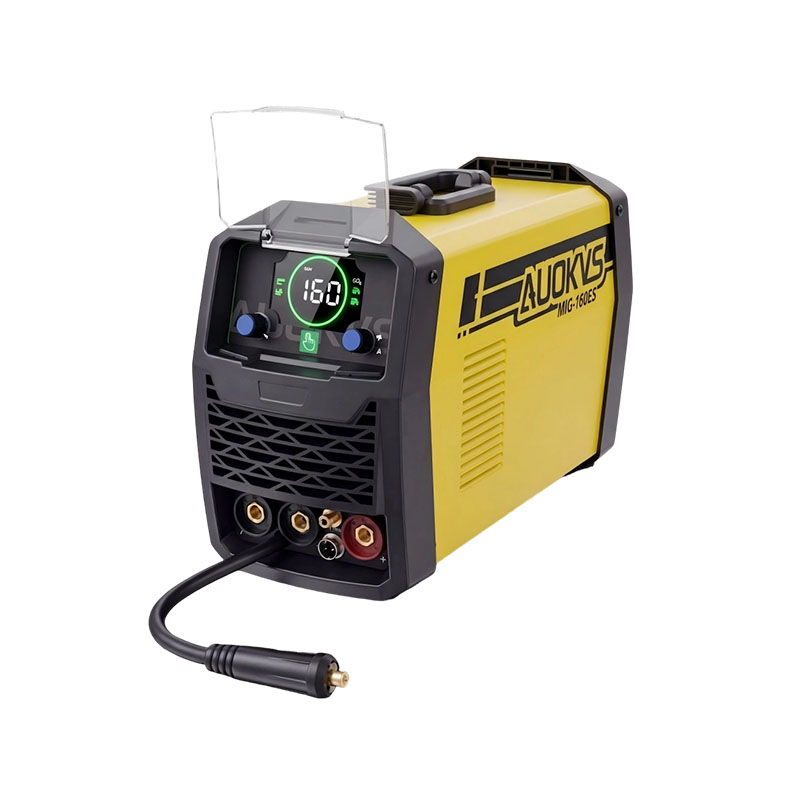
What Makes MIG Welding Suitable For Different Workshop Materials
Workshop environments rarely deal with one single material type. Steel plates, structural frames, repair patches, and mixed components often appear in the same space. An Industrial MIG Welding Machine handles this variety without needing major changes in working method.
Mild steel is commonly used because it responds in a predictable way under MIG welding conditions. The arc interacts with the surface in a controlled manner, which helps maintain seam stability. Medium thickness parts also fit into the same process with adjustments in feed and movement.
Thin sheet materials used in repair work require a lighter touch. MIG welding allows control over heat input through travel speed and arc balance, which helps reduce unwanted distortion. Thicker materials need more sustained heat, which can also be handled by adjusting the same system rather than changing equipment.
Typical workshop material range includes:
- sheet repair panels
- structural metal frames
- support brackets and joints
- reinforcement sections
- mixed thickness assemblies
Material flexibility becomes important in workshops because tasks often change without long preparation time. Equipment that adapts to different thickness levels without interrupting workflow tends to support smoother daily operation.
Why Does Wire Feeding System Matter In Industrial MIG Welding Machine
Wire feeding system acts as the quiet driving force behind MIG welding stability. Inside an Industrial MIG Welding Machine, filler wire moves continuously toward the welding zone, shaping how the weld pool forms and develops.
When feeding remains stable, metal deposition stays consistent along the seam. That consistency helps keep bead shape even across long welding paths. In workshop use, where repeated joints are common, this steady movement reduces variation between one weld and the next.
If feeding becomes uneven, the weld pool may react immediately. Small changes in wire delivery can alter arc balance for a moment, which may later appear as surface irregularity.
Practical points often noticed in workshop operation:
- steady feed supports uniform seam texture
- smoother delivery reduces need for correction
- continuous movement improves long weld consistency
- unstable feed creates visible variation in bead line
The feeding system does not stand out during operation, yet its behavior influences every part of the weld line from start to finish.
How Does Heat Control Influence Welding Results In Workshop Tasks
Heat behavior shapes the final structure of every weld. In an Industrial MIG Welding Machine, heat is concentrated in a controlled arc zone where metal reaches melting condition before joining.
Workshop materials react differently depending on thickness and composition. Thin parts respond quickly, sometimes requiring careful movement to avoid deformation. Thicker sections absorb heat more slowly and need longer exposure for proper fusion.
Control of heat distribution helps maintain balance between penetration and surface stability. When heat spreads evenly, the welded area cools in a more controlled manner, reducing internal stress.
Cooling behavior also plays a role after welding ends. If cooling occurs too quickly or unevenly, slight distortion may appear along the joint. Controlled cooling supports a more stable final shape.
Common heat-related observations:
- smoother fusion along connected edges
- reduced distortion in joined structures
- more stable cooling phase after welding
- consistent surface formation across repeated joints
Heat management becomes part of routine workshop practice rather than a separate process, especially when multiple welding tasks occur in sequence.
What Role Does MIG Welding Machine Manufacturer Play In Equipment Design
An MIG Welding Machine Manufacturer influences how equipment behaves in real workshop conditions through structural design and control layout choices. Workshop environments are not uniform, so machines need to handle shifting tasks, repeated use, and different material types within the same day.
Design focus often goes toward maintaining stable arc behavior and consistent wire feeding under continuous operation. Mechanical durability also matters because workshop equipment often runs for long periods with limited downtime.
Key design considerations usually include:
- stable internal arc control structure
- feeding mechanism built for continuous use
- control layout that supports quick adjustment
- durability under repeated task switching
These design choices affect how smoothly the machine responds when moving between different welding jobs in a workshop environment.
How Does Industrial MIG Welding Machine Support Continuous Workshop Production
Workshop work rarely follows a single direction for long. One moment involves repair on a frame, next moment shifts to assembly or patch welding. An Industrial MIG Welding Machine fits into this rhythm because operation does not require frequent interruption once settings and wire feed remain stable.
Continuous welding becomes important when multiple parts need similar joints in sequence. Instead of restarting the process again and again, arc behavior and wire delivery stay active across longer cycles. That continuity reduces pauses that normally appear in manual or segmented welding methods.
In daily workshop practice, steady operation often shows itself in small ways:
- welding path remains consistent across repeated pieces
- less time spent adjusting between different tasks
- smoother transition from one joint to another
- more stable output across long working periods
Workshops also deal with space sharing between different operations. Grinding, cutting, and welding may happen in nearby zones. Equipment that continues working without frequent recalibration helps keep workflow from breaking into fragments.
Even when materials change during the day, MIG systems usually keep a similar working feel, which reduces the mental load of re-learning behavior for each task.
What Safety Conditions Are Important In Workshop Welding Work
Welding creates strong light, heat, and airborne particles, so workshop layout needs a controlled environment around the Industrial MIG Welding Machine. Safety here is less about isolated rules and more about keeping working space predictable.
A clear working zone around the welding area helps prevent accidental contact with hot surfaces or moving equipment. Materials placed too close may interfere with movement or reflect heat back into the working space.
Ventilation also plays a role in keeping air movement stable around the welding point. In enclosed workshop spaces, airflow helps reduce concentration of fumes and keeps visibility more stable during continuous work.
Typical safety considerations in workshop welding areas:
- clear separation between welding and storage zones
- stable grounding for electrical equipment setup
- controlled placement of metal parts near working area
- ventilation that keeps air movement consistent
- unobstructed movement path for operator positioning
Safety conditions also support welding stability. A cluttered area often leads to awkward positioning, which may indirectly affect seam control and movement consistency.
How Does Maintenance Influence Long Term Welding Performance
Over time, even a stable Industrial MIG Welding Machine gradually changes in performance if small wear points are not checked. Maintenance does not usually involve large repairs in workshop use, yet small cleaning and inspection steps influence long-term welding consistency.
The wire feeding system is one of the key areas. Dust, metal particles, or slight misalignment may change how smoothly wire travels. Once feeding becomes uneven, arc stability may also shift slightly during operation.
Torch condition also plays a role. Contact points and nozzle area need to stay clean enough for consistent arc formation. When residue builds up, welding behavior may slowly lose stability without immediate notice.
Common maintenance habits in workshop environments:
- cleaning feeding path to avoid wire resistance
- checking torch contact surface for buildup
- removing residue from cutting and welding area
- inspecting cable flexibility during movement
Maintenance works quietly in the background, yet it directly affects how predictable welding feels during daily tasks.
| Machine Condition | Welding Behavior | Workshop Effect |
|---|---|---|
| clean and stable | smooth arc flow | consistent seams |
| mild wear present | slight variation | small irregular marks |
| heavy buildup | unstable arc | frequent correction needed |
How Does Industrial MIG Welding Machine Fit Into Modern Workshop Workflow
Modern workshop environments often combine repair tasks, assembly lines, and small batch fabrication within the same space. An Industrial MIG Welding Machine fits into this environment because its operation stays flexible without requiring major setup changes between tasks.
In many workshops, welding is not a single continuous production line. Instead, it moves between different job types during the day. MIG systems allow that transition without changing core working method, which keeps workflow smoother.
Integration into workshop workflow often appears in practical ways:
- used for both repair and new fabrication
- shared between different workstations
- supports small batch and repeated tasks
- adapts to changing material requirements
The machine becomes part of a broader system rather than a standalone unit. Its value comes from how it supports movement between tasks rather than focusing on one fixed application.
Over time, this flexibility helps workshops maintain a steady pace even when job types shift frequently. Welding work continues in a connected flow, supported by stable arc behavior, continuous wire feeding, and consistent handling across different materials.
 Previous