EN
EN English
  Español
 Mixed materials show up across modern manufacturing. A single component may contain metals, ceramics, polymers, or composites. Each material responds differently to heat, chemical exposure, and mechanical stress. Processing such assemblies often requires a method that can address multiple material types without compromising any of them.
Plasma technology has long served materials processing. It cuts, welds, cleans, and modifies surfaces. The energy source can be alternating current or direct current. Each has its own behavior. The question of when to use AC DC Plasma in a practical sense depends on the materials involved and the outcome required. For mixed material assemblies, the practical choice is not always obvious.
What Distinguishes AC And DC Power In Thermal Processing
The type of current shapes how the plasma behaves. DC plasma runs with steady current flow in one direction. The arc is continuous. The power output is consistent. This stability makes DC plasma easier to control. Many industrial applications use DC systems because the equipment is familiar and the results are repeatable.
AC plasma alternates direction. The current reverses at the frequency of the supply. The arc restrikes with each half-cycle. The plasma conditions change rapidly. That changing behavior affects how the plasma interacts with material surfaces.
- DC plasma provides steady, continuous energy output.
- AC plasma alternates and produces changing conditions.
- Each type has a place depending on the application.
The difference in behavior is not just theoretical. It affects how materials heat, how reactive species form, and how the plasma interacts with surfaces that are not uniform. For certain mixed material applications, AC DC Plasma offers a combination of characteristics that neither pure AC nor pure DC can provide alone.
Why Does Reactive Species Generation Influence Mixed Material Processing
Plasma does more than heat. It generates reactive chemical species. Ions, radicals, and excited molecules form in the plasma zone. These species can clean surfaces, break chemical bonds, or promote reactions that do not happen under normal conditions.
Different materials respond to different reactive species. A polymer surface may require radical attack to promote adhesion. A ceramic may need ion bombardment to alter surface energy. Mixed materials mean the plasma must support multiple reaction pathways.
The generation of reactive species depends on how power is delivered. DC plasmas produce certain distributions of reactive species. The conditions are relatively stable. AC plasmas, with their alternating nature, can produce different distributions. The changing field accelerates electrons differently, which affects the dissociation of gas molecules.
- Reactive species vary with power delivery method.
- Different materials benefit from different species.
- Mixed materials may benefit from the variety AC can provide.
The effectiveness of the process often hinges on whether the right species reaches the right surface at the right time. For assemblies where surfaces are close together, the plasma conditions in the gap matter more than the overall plasma characteristics.
What Practical Constraints Arise In Production Environments
Manufacturing floors pose constraints that laboratories do not. Space, power availability, and existing equipment all affect what can be installed. A plasma system that works in a research setting may not transfer directly to a production line.
AC plasma systems often require specific power supplies. The equipment must handle alternating current at the required frequency. The matching network for the load must accommodate changing conditions as materials enter the plasma zone.
Thermal management is another constraint. Plasma generates heat. The heat must go somewhere. AC plasmas can distribute heat differently than DC plasmas. The resulting temperature profiles at the material surface depend on how the power is applied.
| Constraint Type | DC Plasma | AC Plasma |
|---|---|---|
| Power supply availability | Widely available, mature equipment | Available but less common |
| Thermal profile | Steady, continuous heating | Pulsed or alternating heating |
| Reactive species mix | Relatively constant | Can vary with frequency and waveform |
| Control complexity | Established control methods | May require more complex matching |
| Equipment cost | Generally lower | Generally higher |
How Does Equipment Infrastructure Affect Implementation
The equipment already on site shapes the decisions that get made. A facility with DC power supplies may hesitate to install AC systems. The investment in new equipment has to be justified by the results.
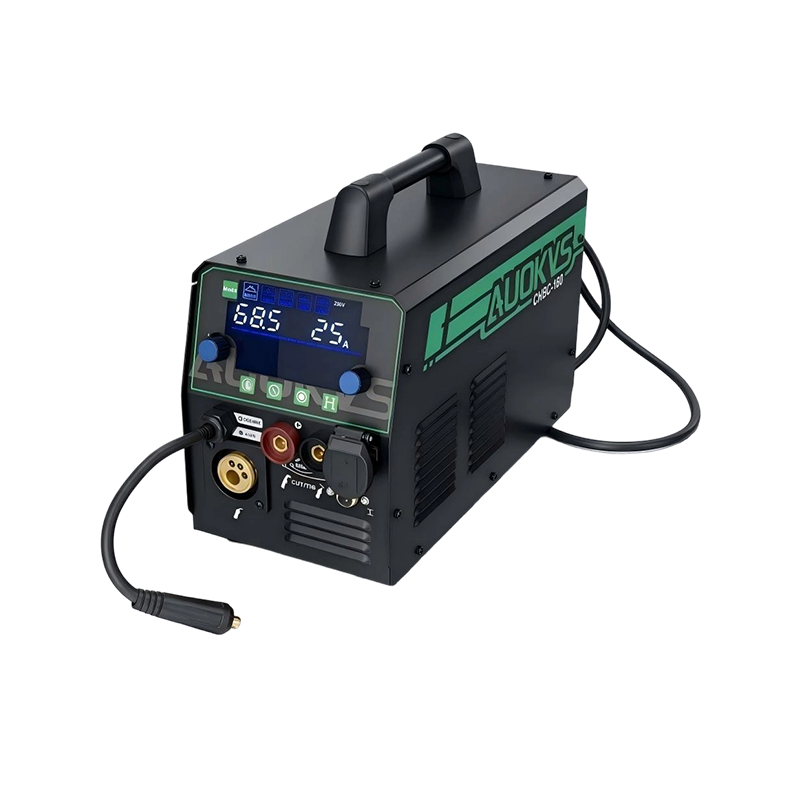
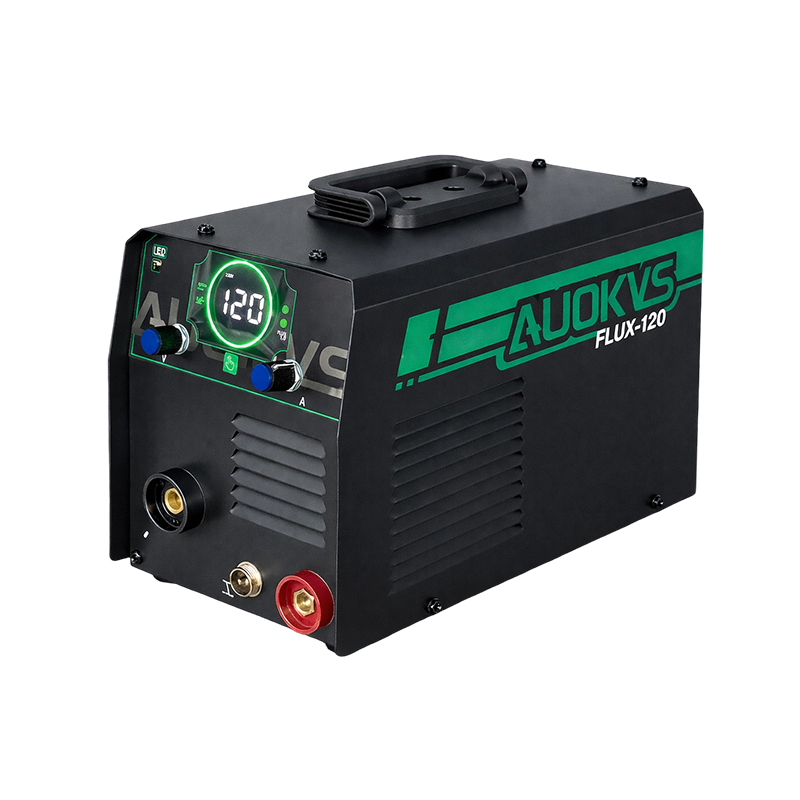
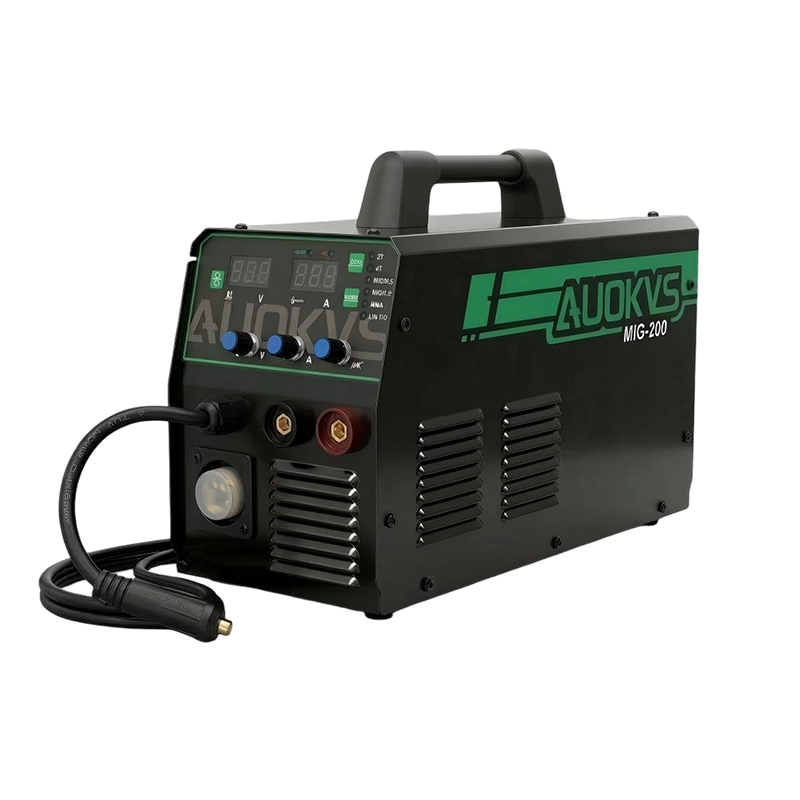
An MMA DC Welding Machine is among the most common power sources in workshops and factories. These units provide the kind of stable, controllable power that many manufacturing processes use. The widespread availability of such equipment means DC plasma systems can often be assembled from existing components. For facilities evaluating AC DC Plasma, the presence of an MMA DC Welding Machine or similar DC equipment may influence the choice, especially when retrofitting existing production lines.
AC systems require different power supplies. The equipment must handle the alternating nature of the current. The output waveform must match the plasma process requirements. The availability of such equipment varies by region and industry sector.
- Existing equipment often favors DC approaches.
- The installed base of power supplies influences choices.
- New equipment investments require clear benefits.
The decision between AC and DC often comes down to what is already in the facility. New installations can choose either. Retrofitting existing systems tends to follow the existing power architecture. When considering AC DC Plasma, the compatibility with an MMA DC Welding Machine or other existing power equipment is a relevant factor.
What Material Characteristics Determine Process Feasibility
The materials being processed drive the selection. A piece of steel behaves differently from an aluminum alloy. A polymer composite behaves differently from a ceramic coating. When multiple materials are present, the process must accommodate them all.
Electrical conductivity influences how plasma interacts with the surface. Metals conduct electricity well. The plasma can couple efficiently with the surface. Non-conductive materials present different challenges. The plasma must still deliver the required effect, even though the electrical path differs.
Thermal sensitivity varies across materials. Some metals withstand high temperatures without significant changes. Others soften or degrade. Polymers generally have lower temperature limits. A process that works for one material in a mixed assembly may damage another.
- Electrical conductivity affects plasma coupling.
- Thermal sensitivity varies across material types.
- The process window narrows with mixed materials.
The process window—the range of conditions that work for all materials—gets smaller when more materials are involved. A temperature that works for a metal may cause a polymer to deform. A power level that cleans a ceramic may overheat a nearby metal. The feasibility of a process depends on whether a common set of parameters exists.
Surface properties also matter. Some surfaces need activation for subsequent bonding. Others need cleaning. Still others need chemical modification. The plasma must deliver the required changes to each surface without altering others in unwanted ways.

How Do Processing Economics Influence Technology Choice
Cost drives many decisions. The upfront investment, the ongoing energy consumption, and the maintenance requirements all factor into the total. A process that works well technically may not make economic sense.
Energy efficiency varies between AC and DC approaches. The conversion efficiency from line power to plasma power differs. The losses in the system affect the operating cost. Over time, those differences add up.
Energy cost is one part of the equation. The throughput of the system also matters. A process that runs faster can offset higher energy consumption. A slower process may require more floor space or more labour. The economic balance depends on the specific operation and production volume.
- Energy efficiency affects operating costs.
- Throughput rates influence overall economics.
- The installed base of equipment reduces initial investment.
The investment required to switch from one approach to another can be substantial. If the existing infrastructure supports one type of system, using that system often makes economic sense. The cost of replacing power supplies, adding filters, or upgrading controls can outweigh the benefits of a different plasma approach.
Maintenance costs vary. AC systems may have different wear characteristics. Components may need replacement at different intervals. The cost and availability of replacement parts affect the long-term cost picture.
How to Balance Technical Requirements with Practical Constraints
The practical choice emerges from balancing what the process needs with what the facility can support. Neither extreme—technical perfection regardless of cost, nor cost minimization regardless of results—leads to a workable solution.
The starting point is the materials themselves. What are they? What do they need? What conditions will damage them? These questions form the technical foundation. The answers set the boundaries within which a solution must fit.
Equipment availability enters next. Is the required power supply on hand? Can it be acquired? How long would the acquisition take? The answers to these questions affect the timeline and the budget.
- Material requirements define the process window.
- Equipment availability affects implementation time.
- Both factors interact to define practical options.
Process economics then narrow the choices further. Among the technically feasible options, which ones are affordable? Which ones deliver acceptable throughput? Which ones can be maintained with existing skills and resources? The economically feasible options form the final set from which a selection can be made.
The practical solution is rarely the one that performs best on any single criterion. It is the one that meets the material requirements while fitting within the available resources and budget. That balance defines when and how each approach becomes practical. For facilities already equipped with MMA DC Welding Machine or similar DC infrastructure, the adoption of AC DC Plasma requires careful assessment of whether the additional capability justifies the change in power architecture.
 Previous