EN
EN English
  Español
 Welding work rarely stays in one fixed place. A repair task may happen beside large equipment, inside a workshop corner, or at a location where moving materials isn't particularly convenient. Because working environments tend to keep changing, welding equipment probably needs to match different conditions instead of being designed only for one type of workspace.
For many operators, convenience tends to begin well before welding even starts. Moving the machine, preparing cables, arranging the working area, and checking connections all tend to influence how smoothly a task can begin. Equipment that's easier to handle can reduce some unnecessary preparation steps and let workers focus more on the actual welding process itself.
A portable design tends to become useful in situations where flexibility matters quite a bit.
A few common examples include:
- Repairing metal parts in different areas
- Carrying tools between several work locations
- Handling maintenance tasks with limited space
- Adjusting the workspace during ongoing projects
A compact welding tool probably doesn't change the basic requirements of welding. Materials still need proper preparation, and operating conditions still require attention either way. However, easier movement and simpler storage can make daily work feel a bit more manageable overall.
Different users also tend to have different working habits. A person handling occasional repairs may value easy transportation more, while a workshop worker may pay more attention to how equipment fits into the available workspace. The practical value of a welding machine probably depends quite a bit on how well it connects with the environment where it actually gets used.
How Does Equipment Mobility Influence Daily Welding Tasks?
Mobility tends to affect more than just transportation. It also tends to change how operators organize their work before and after welding. A machine that can be moved without complicated preparation tends to allow the workspace to stay a bit more flexible.
In a busy working area, available space may shift throughout the day. Materials may need to be moved, different sections may require repair, and access points may not always stay open. A portable structure tends to give operators more options when arranging their workflow.
A few parts of equipment mobility tend to influence daily use:
Easier Transportation
Moving welding equipment between locations tends to become simpler when the structure is designed with handling in mind. Less effort spent on relocation tends to allow more attention toward preparation and welding quality.
Better Workspace Arrangement
A movable machine can get positioned closer to the working area. This tends to help reduce unnecessary movement between tools and the welding location.
Convenient Storage
After completing a task, equipment needs a suitable storage place. A practical size and structure can make storage a bit easier, especially in smaller workshops or shared spaces.
Flexible Task Planning
When a machine can adapt to different locations, operators can arrange repair work according to actual conditions rather than adjusting the environment around the equipment.
Mobility probably describes more than just how easily a machine can be carried. It also tends to reflect how well the equipment fits into different working routines.
What Makes Inverter Welding Equipment Easier to Manage?
Modern welding equipment often tends to focus on improving daily handling through changes in internal structure and overall design. An inverter welding system uses a somewhat different approach compared with older equipment structures, which tends to allow the machine to be arranged in a more compact form.
For operators, the benefit is often felt in daily management rather than in technical details specifically. A well-planned structure can influence how easily the machine gets moved, stored, and maintained.
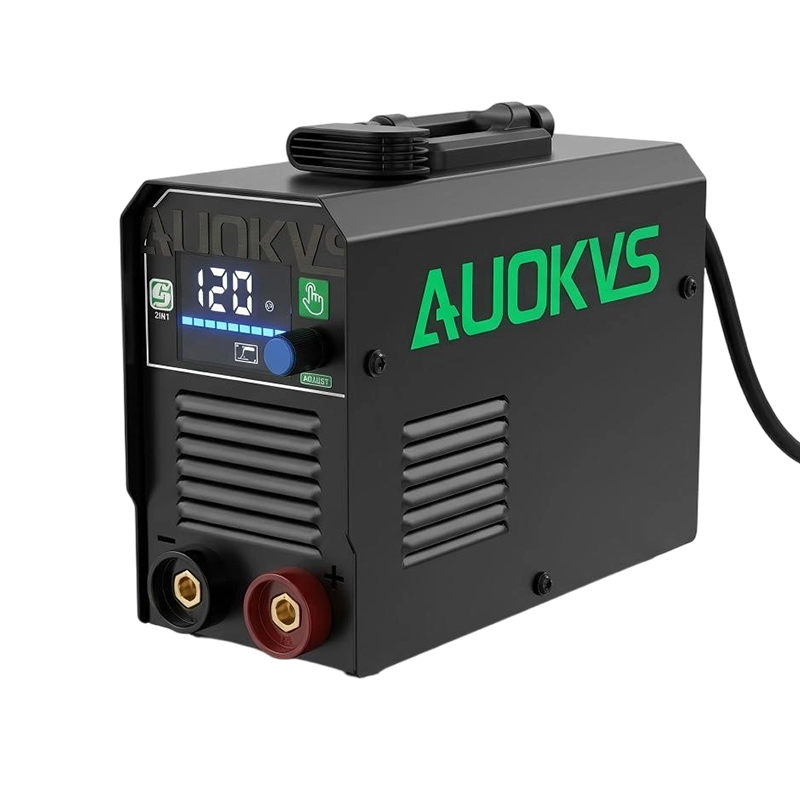
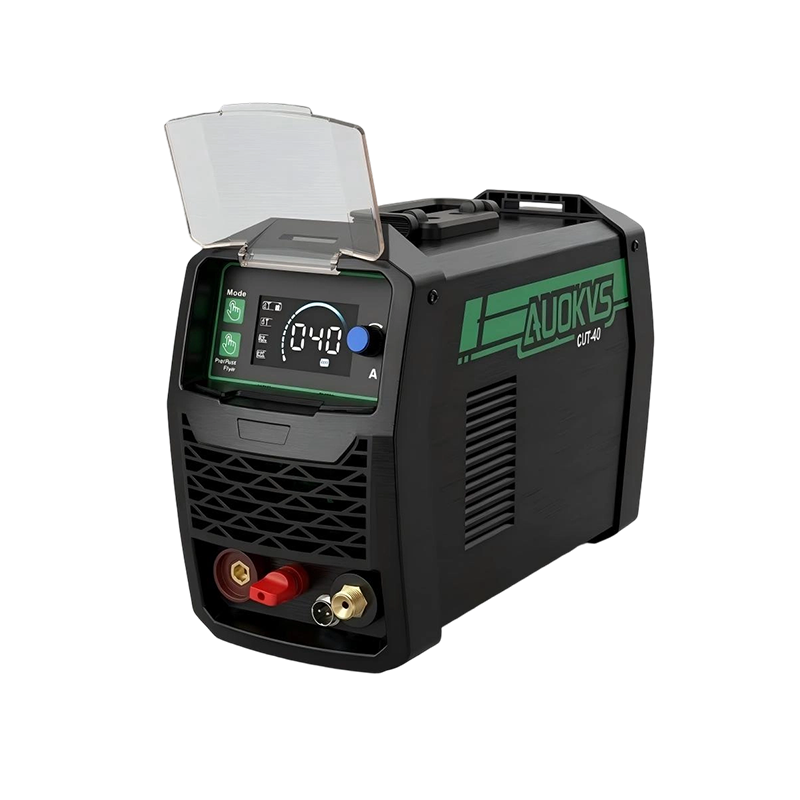
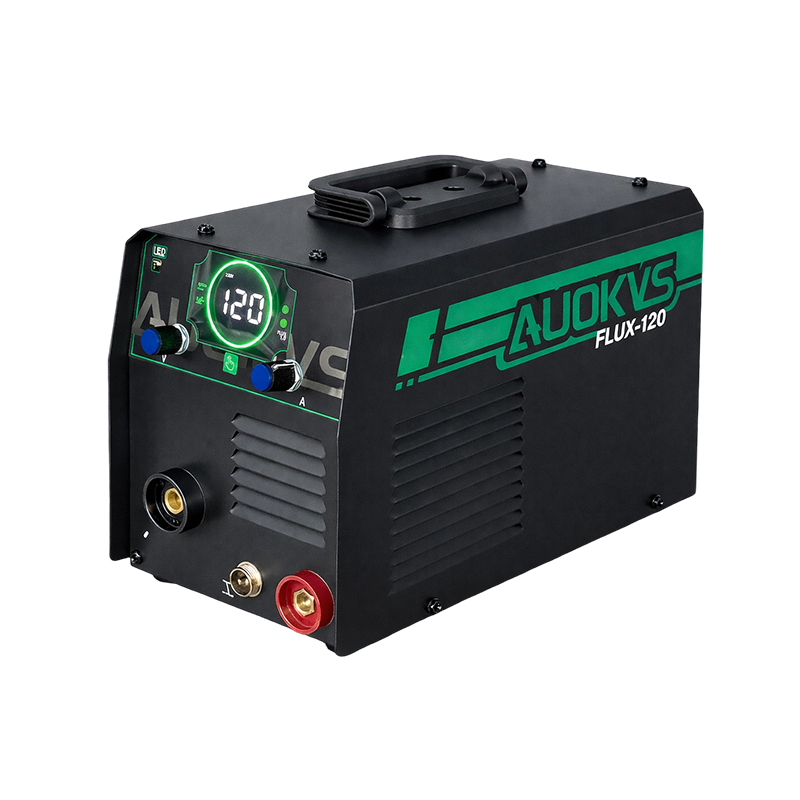
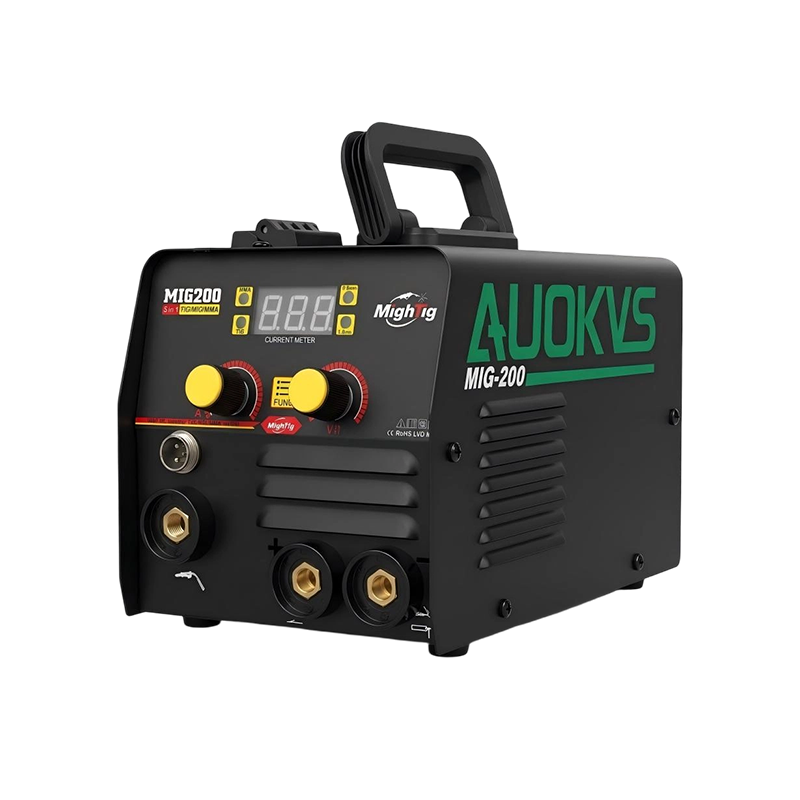
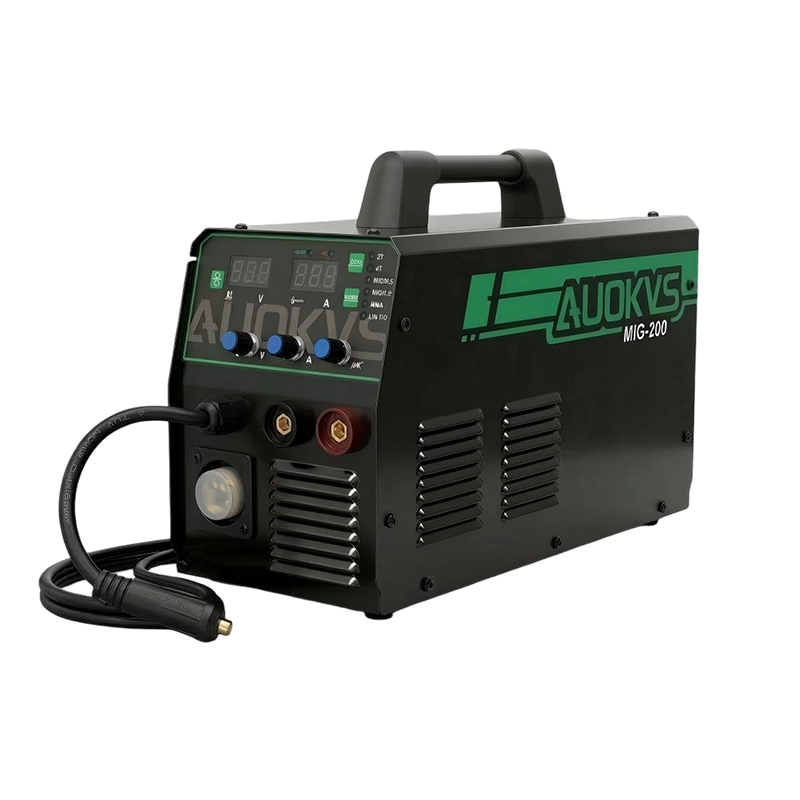
A MMA 120A Inverter Welder represents one type of welding equipment designed for situations where mobility and practical operation tend to matter. Its role in different working environments probably depends on how well it matches the operator's needs, workspace conditions, and welding tasks.
| Consideration | Practical Meaning | Effect On Daily Work |
|---|---|---|
| Equipment Structure | Determines handling and arrangement | Easier movement and placement |
| Working Location | Shows environmental requirements | Better task adaptation |
| Storage Conditions | Influences equipment management | Simpler organization |
| Maintenance Routine | Affects long term use | More convenient care |
The internal structure of welding equipment also tends to affect maintenance habits somewhat. A design that allows easier inspection tends to help operators identify basic issues during routine checks.
Convenience probably comes from the connection between design and use more than anything else. A machine that fits naturally into daily work usually tends to require less adjustment from the operator.
Where Can Compact Welding Tools Provide Practical Support?
Compact welding tools tend to get connected with situations where working space or transportation conditions require a bit more flexibility. Different environments tend to create different challenges, and equipment needs to support those changes accordingly.
In repair areas, workers may need to move between several points instead of staying near one fixed workstation. A portable welding machine can support these tasks by letting the equipment follow the work location instead of the other way around.
In workshops, space arrangement also tends to be a fairly important factor. Large equipment may limit movement around the working area, while a compact structure can provide more room for organizing materials and tools.
A few common application environments include:
- Equipment repair areas
- Small fabrication spaces
- Maintenance locations
- Installation workplaces
Each environment probably has somewhat different requirements. A workshop may focus more on storage and organization, while outdoor maintenance may focus more on transportation and setup.
A welding machine probably doesn't replace proper working methods on its own. Instead, it tends to provide another option for users who need equipment that can adapt to changing locations.
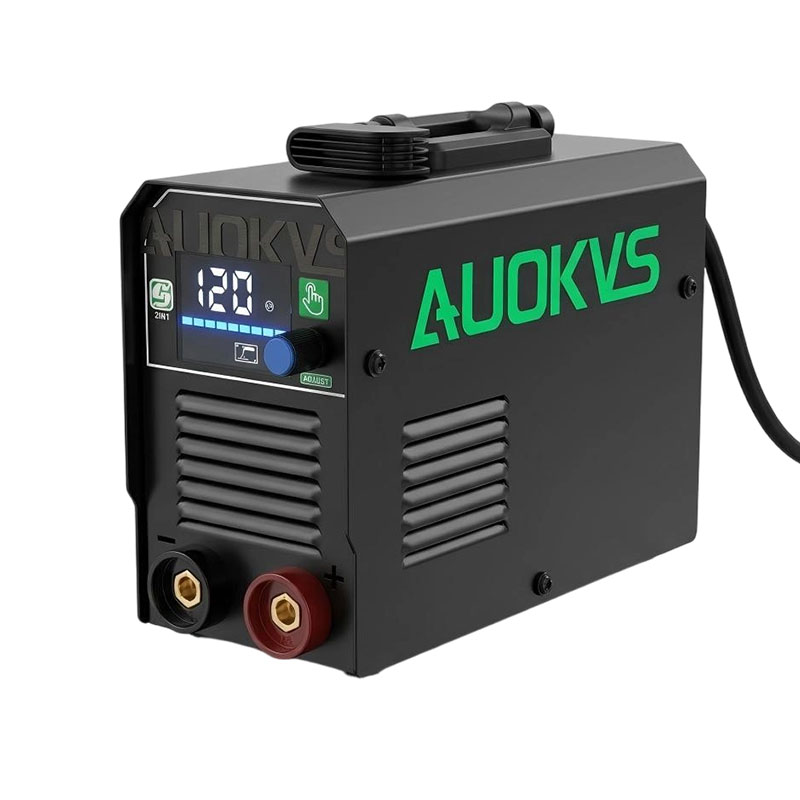
How Does an ARC MMA Welding Machine Help in Flexible Welding Situations?
Different welding tasks tend to require different levels of movement and preparation. An ARC MMA Welding Machine is commonly associated with situations where operators need a fairly practical solution for connecting metal parts across various environments.
Flexibility often tends to become important when working conditions aren't fully controlled. Outdoor repairs, maintenance areas, and locations with limited access may require equipment that can be arranged fairly quickly.
A few situations may benefit from flexible welding equipment:
Maintenance Tasks
Repair work often happens around existing structures where moving large equipment is fairly difficult. Portable welding tools can help operators bring the necessary equipment closer to the repair point itself.
Installation Work
Installation projects may involve different working positions throughout. Equipment that can adjust to location changes tends to help workers organize tasks a bit more smoothly.
Limited Space Areas
Some workplaces have fairly narrow spaces where tool arrangement becomes somewhat challenging. A compact welding machine can provide more freedom when preparing the working area.
The relationship between equipment and environment probably stays fairly important throughout. A suitable welding machine tends to help operators manage different situations without creating unnecessary steps before starting work.
Why Does Easy Preparation Improve Welding Efficiency?
Welding quality tends to be fairly closely connected with preparation before the actual operation even begins. A large part of daily work tends to involve arranging tools, checking the working area, and making sure everything is ready before the welding process starts. Equipment convenience can influence how smoothly these steps get completed.
A machine that's easier to move and organize tends to let operators spend less time adjusting the workplace. In many repair or maintenance situations, the welding position may change several times during one task, which makes quick setup a fairly practical need.
Preparation usually involves several small steps:
- Moving equipment into a suitable position
- Arranging cables and related tools
- Checking the condition of the working area
- Preparing the materials that need to be connected
Each step may appear fairly simple on its own, although repeated preparation can affect the overall working experience over time. A practical equipment layout tends to help create a clearer workflow and reduces some unnecessary movement.
Good preparation also tends to support safer working habits. A clean working area, organized cables, and properly placed equipment can help prevent confusion during operation. Convenience probably doesn't come from removing every step of the process, but rather from making each step a bit easier to manage.
For users who handle different repair tasks, preparation flexibility tends to become especially useful. The same equipment may need to move from one location to another, which tends to require a design that fits various working patterns.
Which Factors Should Be Considered When Selecting Welding Equipment?
Choosing welding equipment probably involves more than just looking at a single feature. Actual working conditions often tend to decide whether a machine fits daily needs. A tool used in one environment may not provide the same level of convenience in another place.
Before selecting equipment, users can consider a few practical questions:
- Where will the welding work usually happen?
- How often does the equipment need to be moved?
- What type of metal work is commonly performed?
- How much storage space is available after use?
- What maintenance habits can be followed regularly?
Different working environments tend to create different requirements. A small repair area may need equipment that's easy to arrange, while a fixed workshop may pay more attention to storage and workflow organization.
| Selection Point | Question To Consider | Possible Influence |
|---|---|---|
| Working Location | Does the task require frequent movement | Affects transportation needs |
| Welding Purpose | What type of work is planned | Influences equipment suitability |
| Available Space | How will the machine be stored | Affects daily management |
| Maintenance Habit | How will regular checks be handled | Influences long term use |
The choice process tends to become a bit clearer when equipment gets viewed as part of the entire working system. A welding machine probably needs to fit the operator, workspace, and routine rather than only meeting a technical requirement in isolation.
How Do Maintenance Habits Affect Welding Equipment Use?
Regular maintenance tends to play a fairly important role in keeping welding equipment ready for daily tasks. Even a well-designed machine requires proper care, since working environments may expose equipment to dust, moisture, and repeated handling over time.
A few simple maintenance routines can support more stable operation.
Cleaning After Work
Removing dust or residue after use tends to help keep the equipment in better condition. A clean surface also tends to make regular inspection a bit easier.
Checking Connections
Cables and connections are fairly important parts of welding preparation. Regular observation can help identify changes that may need attention.
Organizing Storage Areas
A suitable storage position tends to protect equipment from unnecessary impact. Good organization also tends to make it easier to locate tools before starting work.
Recording Usage Conditions
Operators who notice changes during daily work can keep simple notes. Information about unusual movement, connection changes, or working conditions may assist future checks down the line.
Maintenance probably doesn't need to become a complicated routine. Small actions performed regularly often tend to create better equipment management habits over time.
For portable welding tools, maintenance also tends to affect convenience, since equipment is often moved between different locations. A machine that receives proper care can generally remain easier to prepare for different tasks.
Why Are Flexible Welding Tools Becoming Practical for More Work Areas?
Working environments continue to change fairly steadily. Many repair and maintenance tasks are no longer limited to fixed production areas the way they might once have been. Smaller workspaces, temporary repair locations, and changing project conditions tend to create new demands for equipment management.
Flexible welding tools tend to fit into this changing pattern because they can support different working arrangements. Instead of building the entire workspace around the equipment, operators can adjust the equipment position according to the task instead.
A few changes tend to influence this demand:
- More varied repair locations
- Increased need for mobile maintenance
- Smaller working areas
- Flexible project arrangements
A portable welding machine can become part of a wider tool system where transportation, storage, and operation all need to work together reasonably well.
The development of welding equipment tends to connect fairly closely with practical user needs. Operators often look for tools that are easier to handle, easier to organize, and suitable for everyday working conditions.
Convenience probably doesn't come only from equipment size. It also tends to depend on how the machine interacts with working habits. A tool that fits naturally into daily routines can reduce some unnecessary adjustments.
How Does Better Equipment Convenience Support Everyday Welding Work?
Welding tasks tend to involve many small decisions, from preparing the workspace to adjusting the equipment position. A convenient machine tends to help connect these steps a bit more smoothly, letting operators focus more on the task itself.
A suitable welding tool can support different parts of daily work:
- Easier movement between locations
- Simpler preparation before operation
- Clearer workspace organization
- More practical storage after use
The value of a welding machine tends to be fairly closely related to the environment where it operates. A workshop, repair area, or installation location may require different levels of flexibility, and equipment selection probably needs to reflect those differences.
A MMA 120A Inverter Welder can be worth considering in situations where users need a balance between welding tasks and equipment management. Its practical role probably depends on how well it matches working conditions and operator habits.
An ARC MMA Welding Machine also tends to connect with flexible welding situations where mobility and fairly straightforward operation are important parts of the workflow.
Selecting suitable equipment probably isn't only about the welding process itself. Transportation, preparation, maintenance, and storage all tend to influence the overall experience. When equipment design matches real working conditions reasonably well, daily welding tasks tend to become easier to organize and manage.
 Previous