EN
EN English
  Español
 Welding stability usually shows up in very ordinary details during work. A slight change in power supply, a damp electrode, an unclean metal surface, or an awkward hand movement can all affect how the arc behaves. Problems often begin quietly. A weld may look normal for a few seconds, then the arc starts drifting, the bead becomes uneven, or the molten pool reacts in a way that is harder to control.
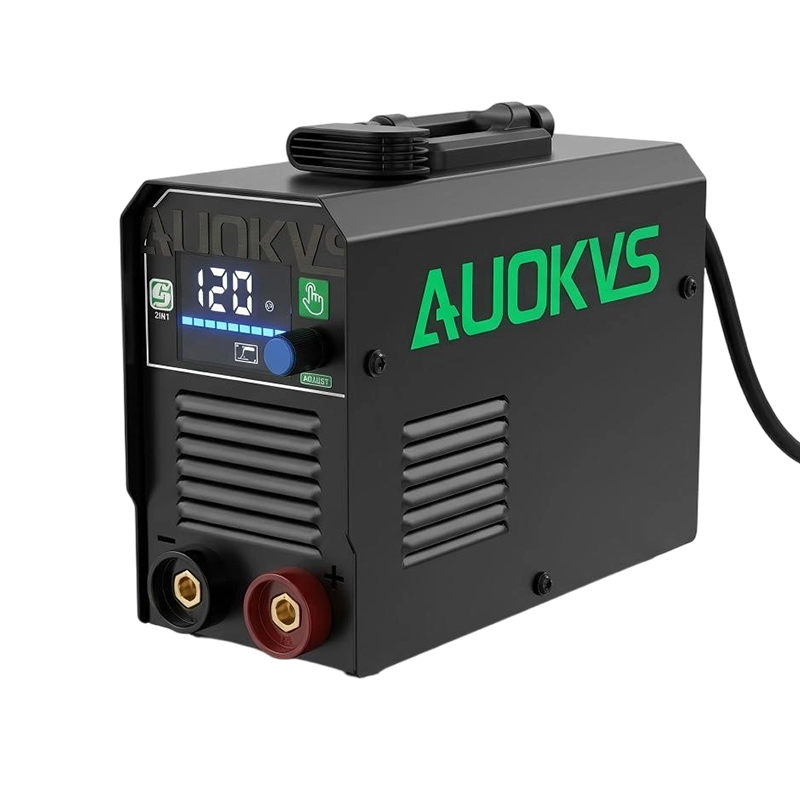
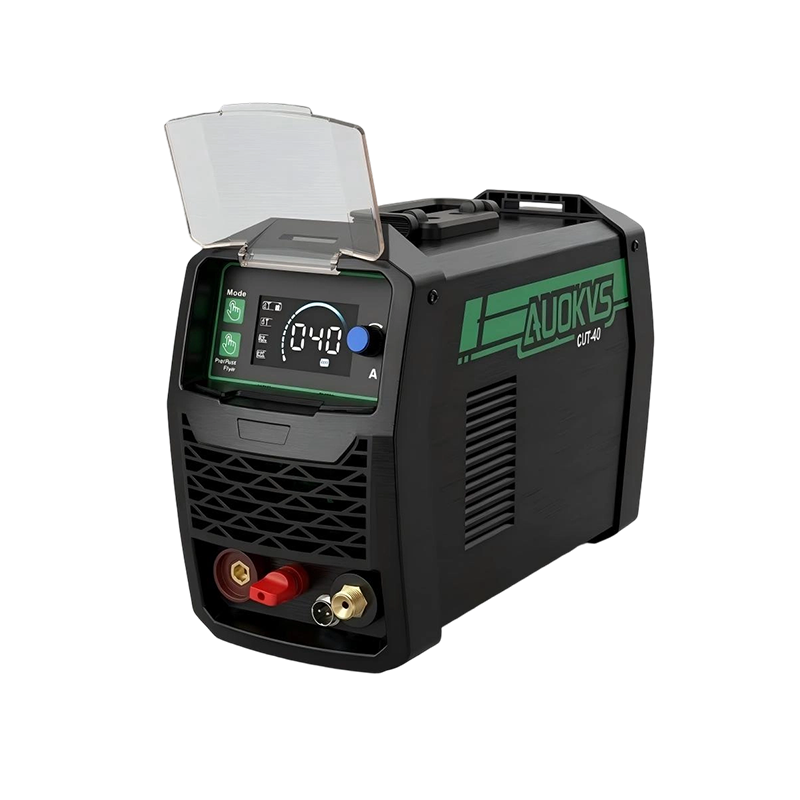
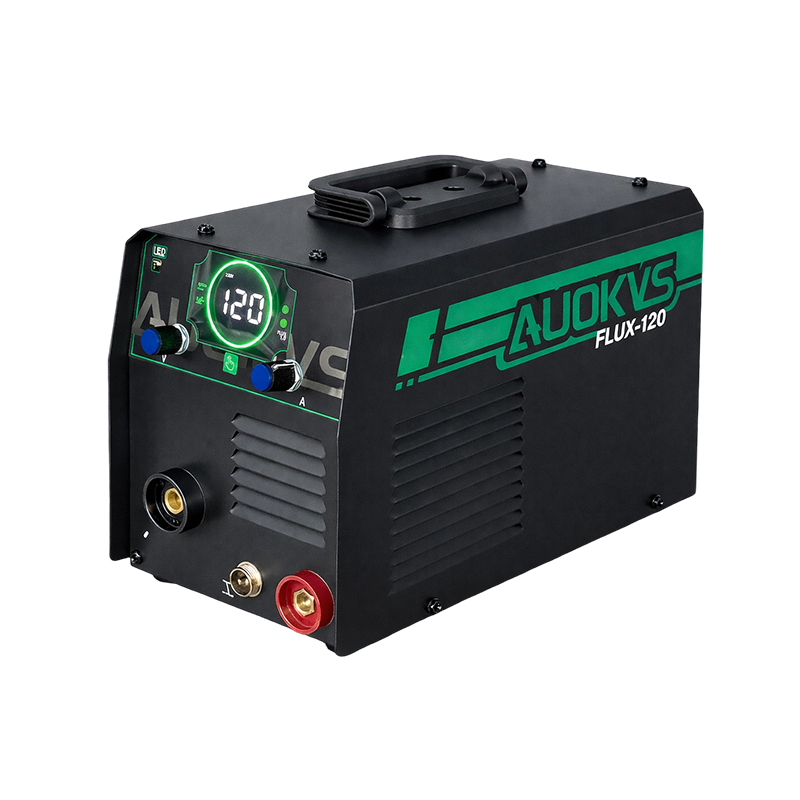
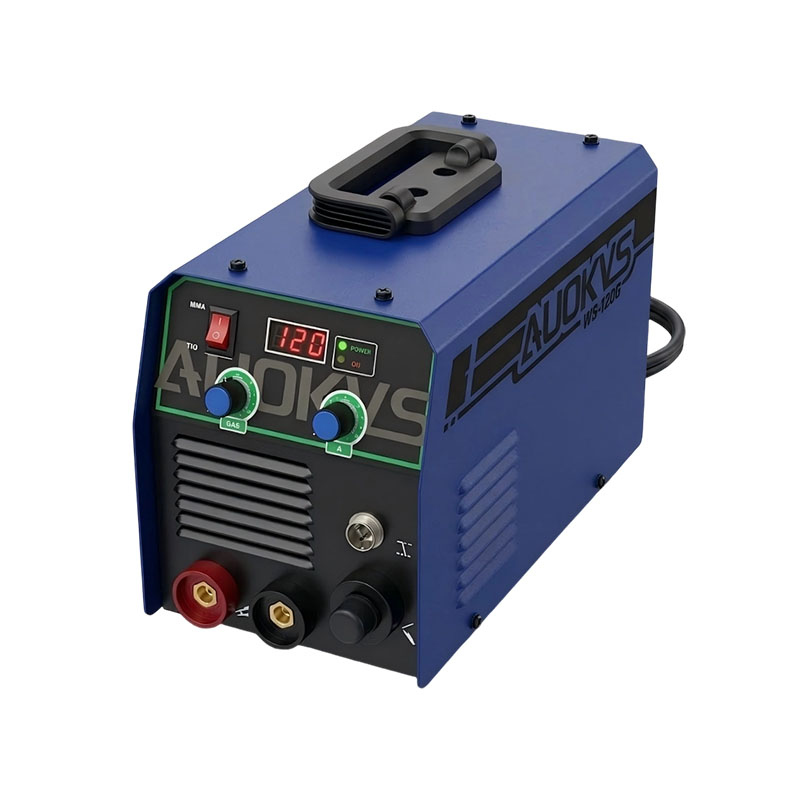
An ARC MMA Welding Machine is often used where working conditions are not always neat or predictable. Repair jobs, maintenance work, and outdoor tasks often leave little room for careful setup. In those situations, stable operation depends on more than the machine itself. The electrode, surface condition, current setting, and working method all shape the final result.
Welding rarely fails for only one reason. A poor joint may come from a combination of small issues, each one adding a little pressure on the process. Paying attention to those details before heat is applied usually makes the job calmer and easier to manage.
What Basic Conditions Affect Welding Stability?
How Does Power Supply Condition Influence Arc Performance?
A welding arc needs a steady power input to stay controllable. When power changes during operation, the arc may feel uneven, harder to guide, or less responsive to hand movement. A connection that looks fine at a glance may still cause trouble if cables are worn, joints are loose, or contact points carry dirt.
Before welding begins, many operators go through a short check without thinking too much about it. Cable ends need to be secure. Contact points should not have visible damage. Connection areas should stay clean. Small things like that matter because the arc reacts quickly to poor electrical conditions.
Working location also plays a part. A shop floor usually offers a different environment from a repair corner outside a building or near machinery. Heat, dust, movement around the workspace, and nearby equipment can all influence how smoothly the machine performs.
A more stable electrical setup usually gives the operator a clearer response from the arc, which makes hand control easier during the job.
How Does Electrode Selection Influence Welding Results?
Electrode choice affects how the arc starts, how it stays active, and how the weld pool develops. An electrode that suits one kind of material may behave differently on another surface. A mismatch can make the process feel less steady, especially when the operator is trying to maintain a clean line.
Storage matters as well. Electrodes left in damp air may not behave the same way as dry ones kept in proper condition. Moisture, dust, and rough handling can all change how the electrode performs once welding begins.
A quick check before use is usually worth the time.
| Electrode Condition | Practical Effect During Welding |
|---|---|
| Kept dry | Helps the arc stay steadier |
| Stored carefully | Reduces handling problems |
| Matched to the material | Improves control during operation |
| Checked before use | Lowers the chance of interruptions |
Even a good machine can struggle when the electrode is not suited to the task. A little care before starting often saves more time than fixing an unstable weld later.
Why Does Current Adjustment Matter During Welding?
Current setting changes the way heat enters the joint. Too much heat may make the weld pool harder to control. Too little heat may leave the arc weak or uneven. A suitable setting depends on material thickness, electrode type, joint position, and the style of work being done.
A thin sheet and a thicker part need different handling. A repair seam and a structural joint also need different treatment. One fixed setting cannot suit every job, so operators usually adjust current according to the actual workpiece instead of relying on a single habit.
A useful approach is to watch the arc carefully during the first moments of welding. If the arc feels unstable, the current may need adjustment. If the weld pool spreads too quickly, the heat may be too high. If penetration feels weak, the setting may be too low.
Small changes in current can change the rhythm of the whole process. That is why many experienced welders treat adjustment as part of normal setup rather than a step to rush through.
How Do Operating Methods Affect Welding Consistency?
Why Does Welding Speed Influence The Final Result?
Hand speed affects how heat moves across the joint. A fast pass may leave the weld looking narrow or underfilled. A slow pass can overheat one area and make the molten pool larger than needed. Neither situation helps the joint stay neat or consistent.
Steady movement usually matters more than trying to work quickly. The arc responds to rhythm. When the hand changes pace too often, the weld path can lose balance and the pool may spread in an uneven way.
Welding speed usually shifts with the job itself.
- Thin material needs a lighter touch.
- Thicker sections often need more time.
- Flat joints feel different from vertical ones.
- Outdoor work may require slower, more careful movement.
A steady pace gives the operator more room to observe the arc and react before the joint moves off track.
How Does Electrode Angle Change Welding Behavior?
Electrode angle affects where the arc points and how the molten metal settles. A small change in angle may shift the whole direction of the weld. When the hand stays too stiff, the arc may not sit where it should. When the angle keeps drifting, the weld pool may move unevenly.
Good handling usually means keeping the electrode in a position that matches the joint and the welding direction. Some jobs need a slight lean. Others need a more upright position. The exact angle depends on the work, yet the habit of holding steady remains useful in every case.
People often focus on current first and forget angle, though hand position can influence the weld just as much. Stable movement and a steady angle usually work together.
Why Is Surface Preparation Necessary Before Welding?
A clean surface gives the arc a better chance to behave in a predictable way. Rust, oil, dust, paint, and loose scale may interrupt the contact between the electrode and the metal. Even a small amount of contamination can make the weld pool less steady.
Before welding, many jobs need a short preparation step.
- Remove visible dirt.
- Clean oil and moisture from the area.
- Check the joint line.
- Position the pieces so movement stays controlled.
Surface condition is easy to ignore when time feels limited, yet poor preparation often comes back during the weld itself. Cleaning the metal first makes the rest of the work smoother and easier to guide.
How Do Temperature And Air Conditions Affect Welding?
Welding outside a controlled shop often brings extra variables into the job. Heat, cold, air movement, dust, and moisture can all change how the arc behaves once work begins. A stable setup inside a workshop usually feels easier to manage, while outdoor repair work may need more attention from the operator.
Air movement can be a quiet problem. A breeze around the work area may disturb the arc and make control feel less steady. Moisture creates another layer of difficulty because damp surfaces and damp electrodes do not behave in the same way as dry ones. Cold conditions can also change the way metal reacts when heat enters the joint.
A welding job becomes easier to handle when the area is prepared with those conditions in mind. Dry materials, a clearer work zone, and some protection from moving air often improve the rhythm of the process. Even a small change in the working space can affect how the molten pool settles and how the weld line develops.
Why Does Material Condition Affect Welding Stability?
Metal does not always arrive at the workbench in a clean state. Some pieces carry oil from storage, some have rust on the edge, and some still hold dust from cutting or handling. All of that can affect how the electrode interacts with the surface.
A joint that looks ready at a glance may still behave poorly once welding starts. The arc may wander more than expected, the pool may spread unevenly, or the joint may need extra correction later. In many cases, the problem starts with the surface rather than the machine.
Before welding, checking the material usually saves time later.
Useful steps include:
- wiping away oil and dirt
- removing rust or loose scale
- checking whether parts sit in the right position
- making sure the joint line is easy to reach
Material thickness matters as well. A thin part reacts faster to heat than a thicker one, so the operator often needs to change current, hand speed, and electrode control from job to job. A working method that suits one piece may feel wrong on another.
How Does Workplace Organization Support Better Welding?
A welding area that is crowded or poorly arranged can make stable work harder to achieve. Tools left in the wrong place, cables crossing the floor, or parts placed too far from the operator all interrupt concentration during the job.
A clearer setup usually helps the process feel calmer. Materials are easier to reach, movement around the workbench becomes simpler, and the operator can focus on the weld instead of searching for tools.
Useful habits include:
- keeping cables away from sharp edges
- placing tools within easy reach
- preparing parts before heat is applied
- leaving enough room for hand movement
Even a short repair task benefits from a cleaner working area. Less clutter means fewer breaks in rhythm, and rhythm matters during welding more than many people expect.
What Maintenance Habits Help Keep Welding Equipment Reliable?
Why Should Equipment Be Checked Before Operation?
Welding equipment works under heat, repeated use, and electrical load, so small problems may appear before they become obvious. A cable may look fine until it is bent. A holder may feel normal until the job starts. A loose connection may not show itself until the arc begins to behave unevenly.
A short check before work usually helps reduce those interruptions.
Items worth checking include:
- cable condition
- contact points
- electrode holder
- ventilation openings
- visible wear on accessories
Finding a weak point early is easier than stopping in the middle of a weld. Regular inspection also gives the operator a better sense of how the equipment has been used over time.
How Does Regular Cleaning Affect Equipment Operation?
Dust, metal particles, and residue collect around welding tools after repeated work. When that buildup stays in place, it may affect cooling, handling, or the clarity of the working area.
Keeping equipment clean helps create a more dependable routine. Airflow around the machine stays easier to maintain, external parts remain easier to inspect, and small signs of wear are easier to notice.
Cleaning does not need to be complicated. A steady habit after work usually does more than occasional deep cleaning.
Good practice often includes:
- wiping away dust after use
- keeping vents open and clear
- checking surfaces for residue
- storing equipment in a dry place
A clean machine is easier to monitor, and that matters when stable welding is the goal.
How Should Welding Accessories Be Stored?
Accessories shape the welding process just as much as the main unit. Electrodes, cables, holders, and related parts all need some care after use.
Moisture is especially important for electrodes. Damp storage can change how they behave during operation, so keeping them dry helps preserve their condition. Cables should avoid tight bends or heavy pressure. Holders and smaller tools should stay protected from damage during storage and transport.
A practical storage routine may look simple:
- return accessories after work
- keep electrodes away from moisture
- store cables without sharp folding
- place tools where they will not be crushed
When accessories stay in good condition, setup becomes easier and the welding process usually starts with fewer surprises.
How Do Different Welding Methods Suit Different Applications?
When Is ARC MMA Welding Machine Used In Practical Work?
An ARC MMA Welding Machine fits many repair and maintenance situations because the setup is usually straightforward and the equipment can be used in different places. That makes it useful when work conditions are not ideal or when the job needs a flexible approach.
Outdoor tasks, site repairs, and general maintenance often benefit from this kind of equipment. The operator may not have perfect working conditions, yet the machine still needs to handle the task with reasonable control.
Common situations include:
- repair work on metal parts
- maintenance in changing locations
- tasks that need flexible setup
- welding jobs with limited preparation space
The choice often depends on the job itself. A machine is useful when it matches the working situation, not when it simply sounds suitable in theory.
How Does ARC MIG TIG Welding Machine Meet Different Welding Requirements?
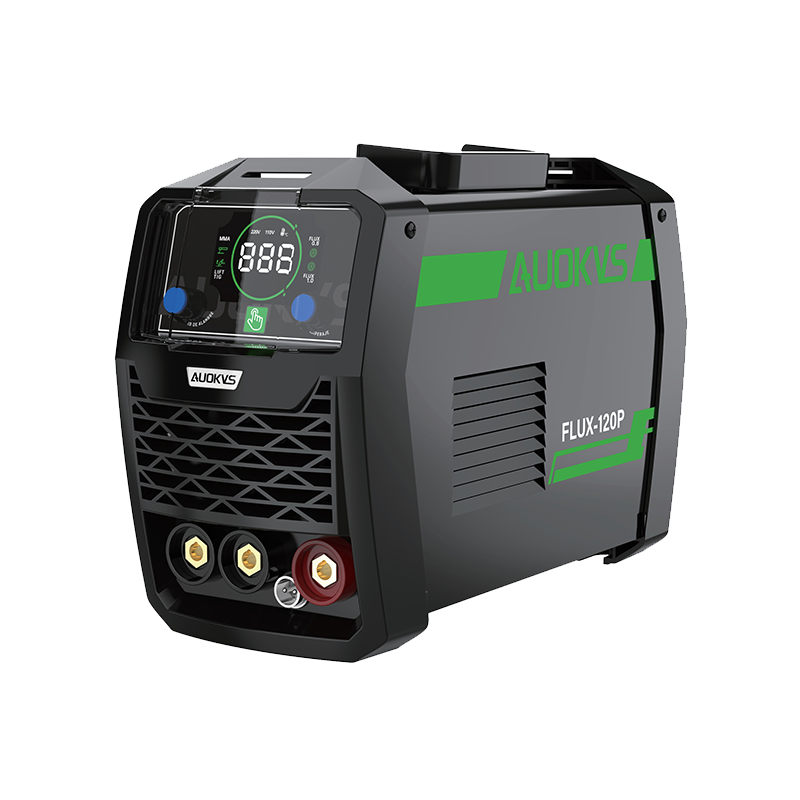
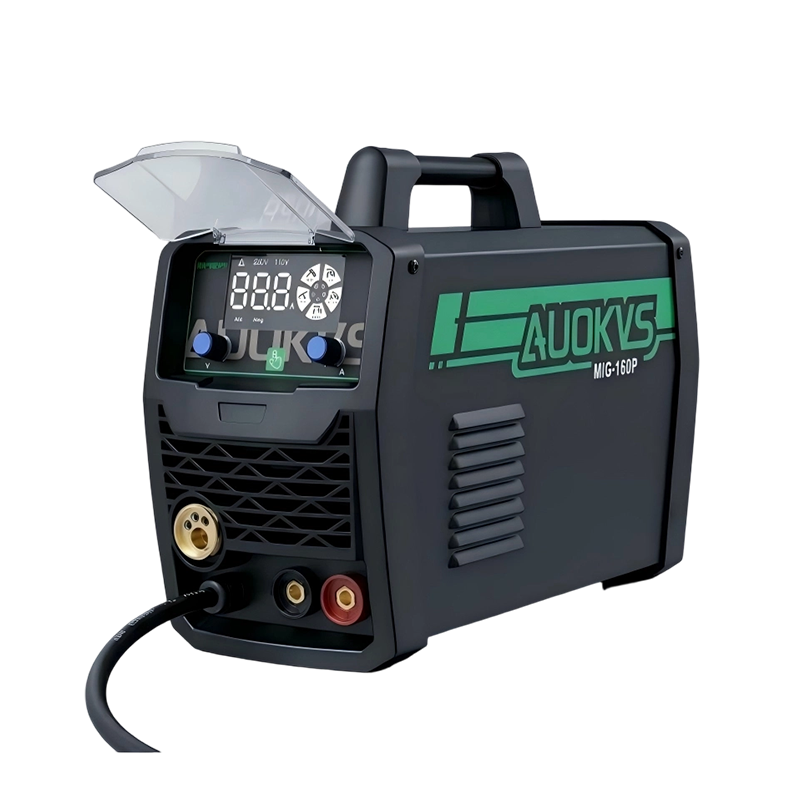
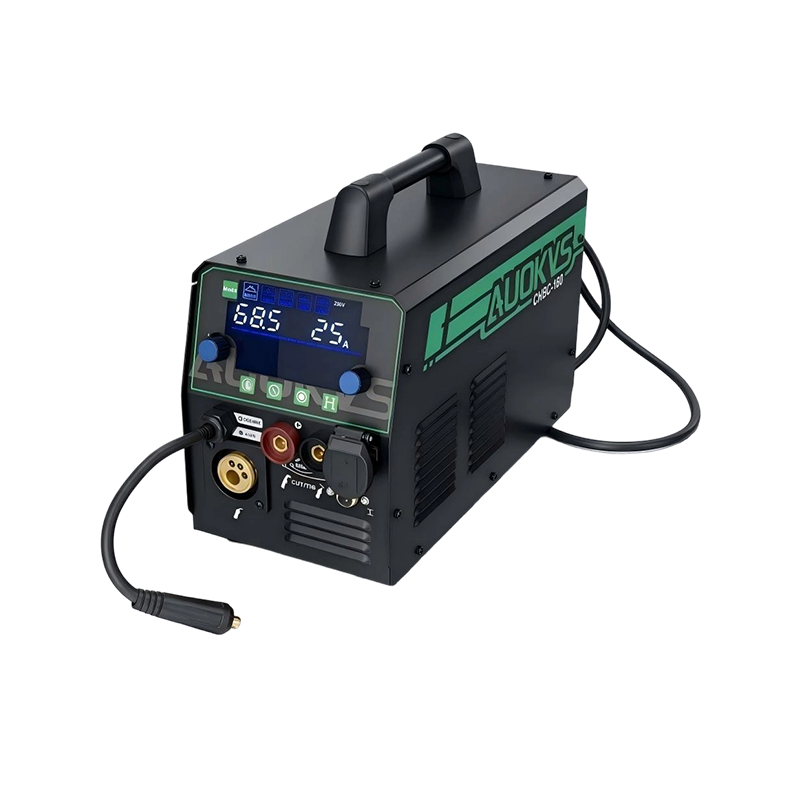
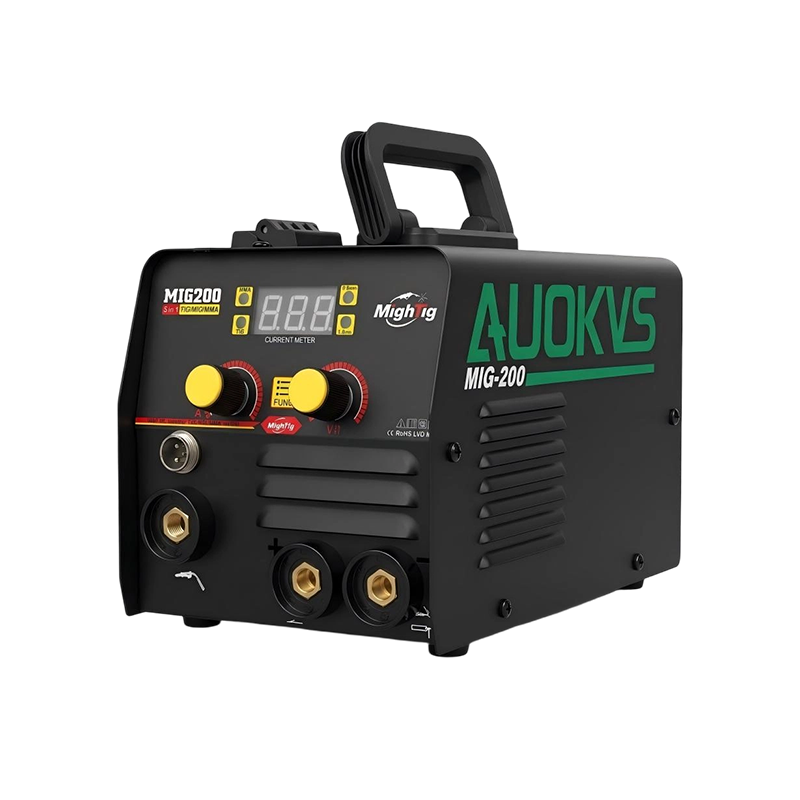
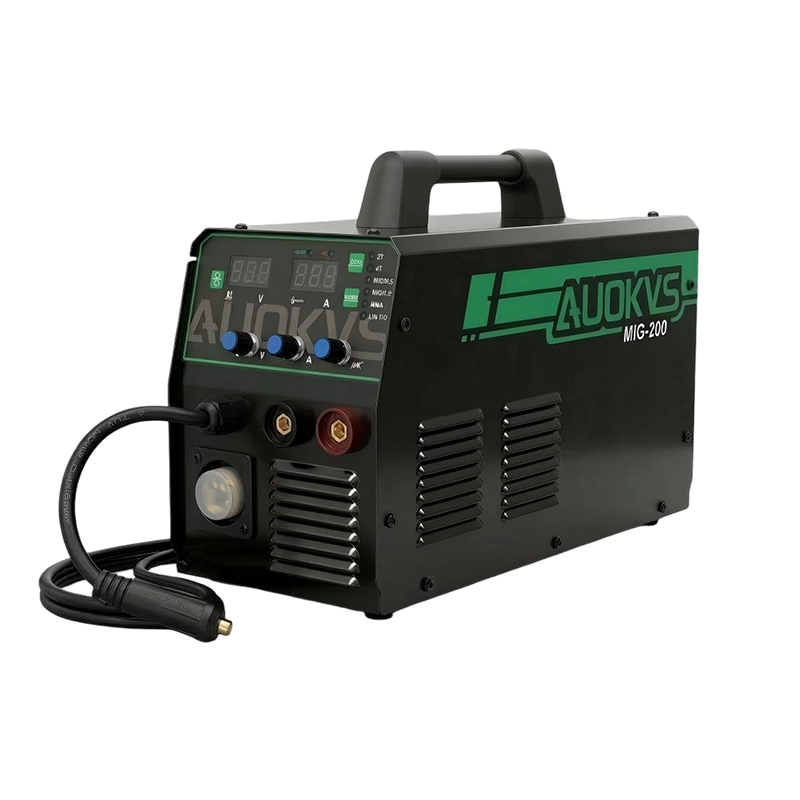
An ARC MIG TIG Welding Machine supports different welding approaches, so it can fit tasks that need another kind of control or application method. Some jobs require a faster pace, while others call for more careful handling around the weld area.
Different welding methods create different working habits. One method may suit repair use, another may fit cleaner joining work, and another may help when the material calls for more controlled movement.
A simple comparison can help show the difference:
| Welding Equipment Type | Common Use |
|---|---|
| ARC MMA Welding Machine | Repair work and flexible tasks |
| ARC MIG TIG Welding Machine | Different welding approaches for varied material needs |
The right choice depends on material type, joint shape, working location, and how much control the job requires.
What Common Factors Reduce Welding Stability?
Incorrect Equipment Adjustment
A machine can only perform well when its settings suit the job. Too much current, too little current, or a setting that does not match the material may make the arc harder to guide.
Adjustment should follow the actual workpiece instead of a fixed habit carried from one job to another.
Improper Welding Operation
Hand movement matters more than many new operators expect. Sudden changes in speed, uneven angle control, or rough electrode handling may disturb the arc and change the shape of the weld.
A steady rhythm usually gives better control than trying to move quickly through the joint.
Insufficient Preparation Work
Skipping preparation steps often creates trouble later. Dirty surfaces, poor alignment, and unsuitable electrodes may all weaken welding stability before heat even reaches the joint.
A short preparation routine can remove many of those problems before the process begins.
How Can Welding Stability Be Improved During Daily Work?
Combining Equipment Settings With Practical Experience
Stable welding grows from repeated observation. A suitable current setting helps, though the operator still needs to watch the arc and respond to changes in the joint or surrounding conditions.
Small corrections during the job often make a noticeable difference.
Building Regular Inspection Routines
Checking cables, holders, and accessories before use helps keep equipment ready. Cleaning and storing tools after work also support a smoother start next time.
Choosing Suitable Welding Methods For Different Tasks
Different jobs call for different methods. A repair in an open area may need another approach from a controlled workshop task. Matching the method to the work helps keep the process more stable and easier to manage.
Welding stability depends on a group of connected details. Equipment condition, operator habits, surface preparation, material state, and work environment all shape the result in their own way. When those parts stay in balance, the welding process usually becomes easier to control.
 Previous