EN
EN English
  Español
 Metal fabrication usually moves beyond basic fastening once structures start carrying weight, vibration, or long-term mechanical stress. Bolting or simple mechanical joining may still appear in certain steps, yet when metal parts are expected to behave like a single continuous body, welding becomes the point where structure and stability are decided.
In workshop conditions, uncontrolled heat or uneven joining often creates weak zones that do not show immediate problems, only becoming noticeable after repeated loading or environmental change. That delay between fabrication and failure is exactly what pushes industrial work toward more controlled welding methods, where heat, filler material, and timing can be kept within a predictable range.
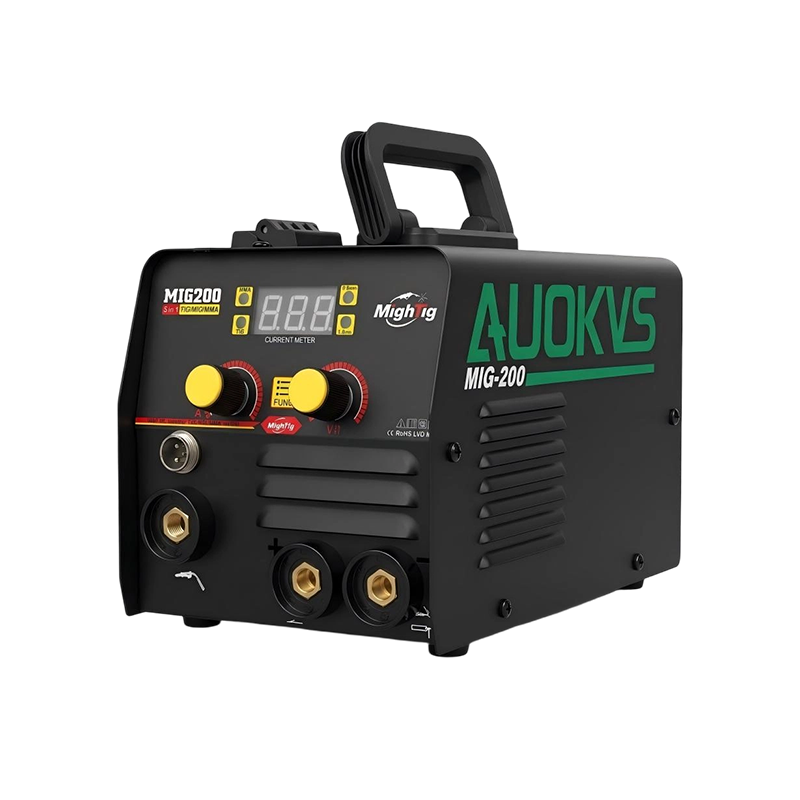
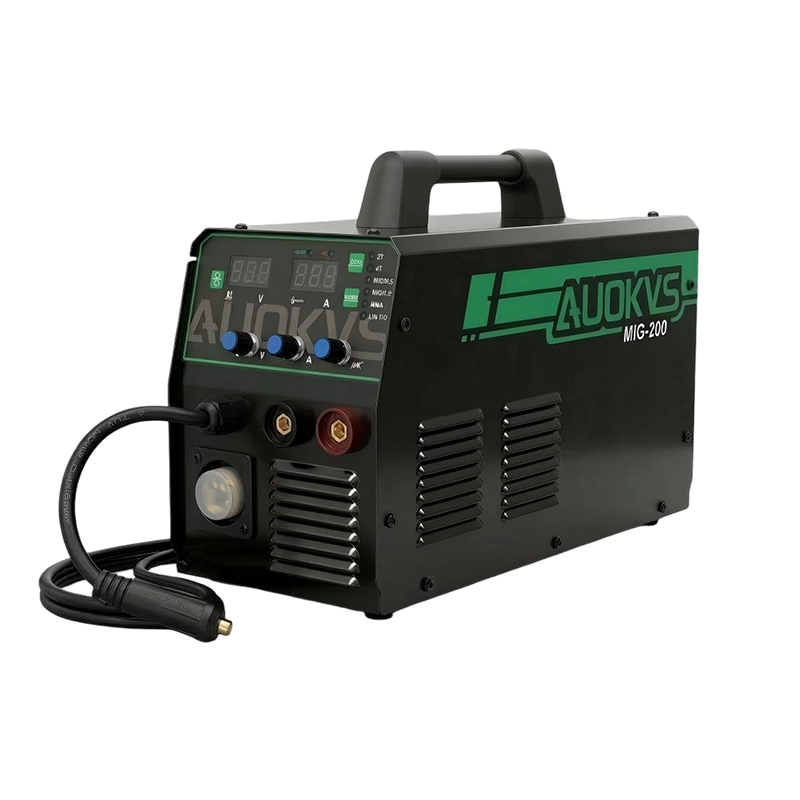
An Industrial MIG Welding Machine enters this space as a way to reduce variation when the same type of weld needs to be repeated across many joints. Instead of relying on manual placement of filler material for every connection, the process shifts toward a continuous feeding approach, which makes long fabrication sequences more consistent and less dependent on small operator differences.
Fabrication work in real settings tends to revolve around a few constant concerns:
- how evenly stress spreads across welded joints
- how different metal thickness levels respond under heat
- how repeatable one weld is compared with the next
- how much post-processing is needed after joining
Once fabrication scales up, welding stops being a single action and turns into a repeating pattern that needs stability more than variation.
What Defines an Industrial MIG Welding Machine in Real Workshop Conditions
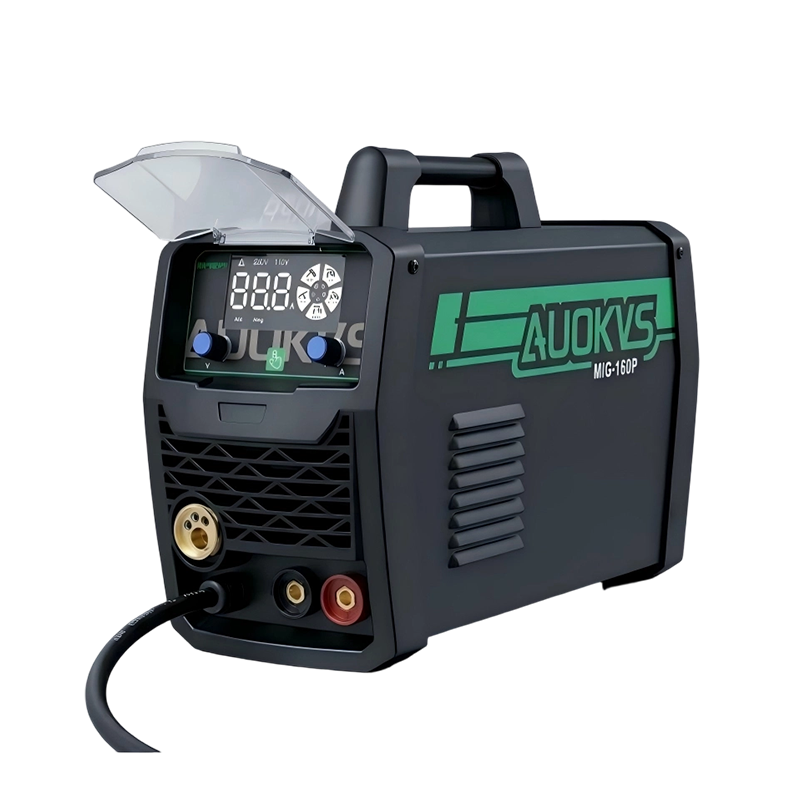
An Industrial MIG Welding Machine works through a continuous wire feed system where the wire itself becomes part of the welding material. As the wire moves forward, it meets a controlled heat source that creates a molten zone at the point of contact between metal surfaces.
Instead of placing filler manually at each weld point, the system delivers material steadily while heat maintains a stable arc. That arc becomes the environment where both base metal and wire melt together, forming a shared pool that later solidifies into a continuous seam.
A shielding gas flow is usually present around the welding area, not as decoration or extra step, but as a practical layer that keeps surrounding air from interfering with the molten zone. Without that protection, oxidation can affect how the weld forms and how uniform the final seam becomes.
A simple breakdown of core elements:
| Part of System | What Happens During Welding | Why It Matters in Fabrication |
|---|---|---|
| Wire feed mechanism | Supplies filler continuously into weld zone | Keeps seam formation steady |
| Heat source | Creates arc that melts metal surfaces | Controls bonding depth |
| Shielding gas flow | Covers weld area during fusion | Reduces surface reaction with air |
| Control interface | Adjusts feed speed and heat behavior | Helps match different materials |
Unlike intermittent welding tools, this setup supports longer continuous operation, which is often necessary in fabrication environments where multiple joints follow similar geometry or repeated structure.
How Does an Industrial MIG Welding Machine Perform Metal Joining in Practice
Once metal pieces are positioned for joining, the welding process begins with the formation of a stable arc between the wire and the base material. That arc produces concentrated heat at a specific point, enough to soften and melt both the incoming wire and the edge of the metal surface.
As wire continues feeding forward, a molten pool forms at the joint area. That pool does not remain static, it moves along the seam line as the welding motion continues, carrying fused material with it until cooling begins behind the active zone.
When temperature drops, the molten area solidifies into a continuous joint that connects both metal sections. The quality of this transition depends heavily on how steady the heat and feed remain during movement, since small fluctuations can influence seam uniformity.
Typical sequence during welding:
- arc formation at contact zone
- localized melting of wire and base metal
- molten pool movement along joint path
- gradual cooling into solid seam
Heat control becomes part of the rhythm rather than a separate step. Too much heat spreads deformation beyond the joint area, while too little heat interrupts proper fusion, which is why stability in both feed and temperature matters more than short bursts of power.
In real fabrication environments, this process is repeated across many components, and over time the focus shifts from single weld quality to how consistent the machine behaves across continuous operation.
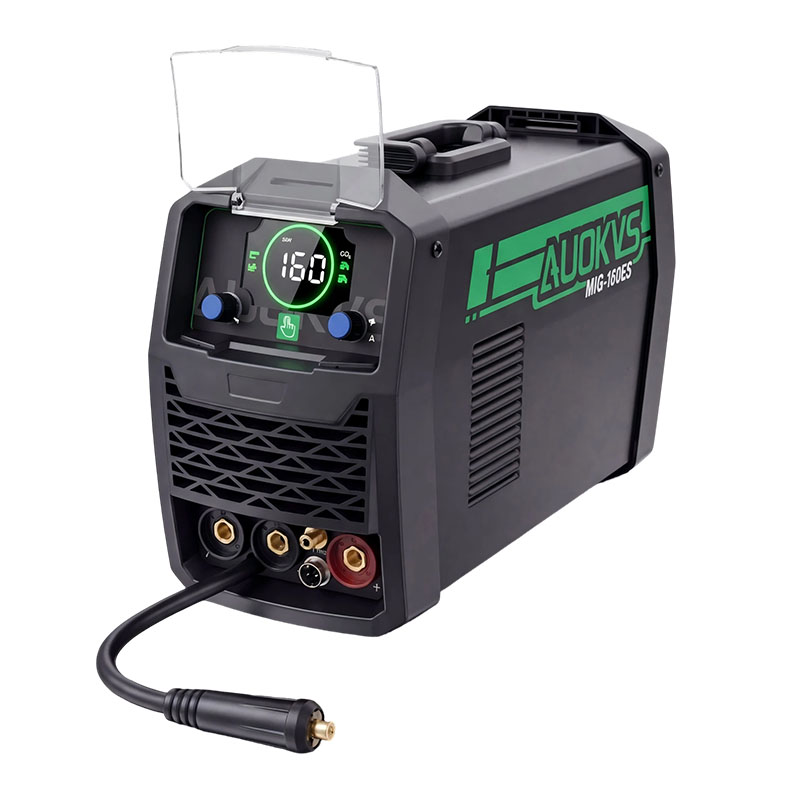
Why Does MIG Welding Fit So Many Fabrication Workflows
In many fabrication workshops, welding work rarely stays limited to a single material type or one fixed joint shape. Metal parts come in different thickness levels, edges may vary after cutting, and assembly requirements often shift from one project to another. An Industrial MIG Welding Machine fits into this kind of environment because the process can keep running without constant reset of method, even when work pieces change in detail.
A steady wire feed becomes the core reason behind this flexibility. Once feeding speed and heat behavior are adjusted to match a material, the welding process can continue in a fairly stable rhythm across repeated joints. That reduces the need to pause between operations, which often happens in more segmented welding approaches.
Fabrication flow in real settings usually depends on continuity rather than isolated precision moments. MIG welding supports that continuity by keeping the same joining principle active across different parts of a structure, whether the work involves frames, panels, or supporting sections.
Common reasons it stays present in fabrication routines:
- repeated welding tasks across similar components
- adjustment capability for different metal thickness levels
- fewer interruptions during continuous operation
- steady handling of long seam formation
What Types of Metal Structures Commonly Rely on MIG Welding
Metal fabrication covers a wide range of structural needs, and MIG welding appears in many of them because the method works well when joints need to hold shape under regular stress. It is not limited to one industry area, instead it shows up wherever metal parts need to be connected into a stable form.
In structural framing, welding is used to link load-bearing sections where alignment and joint consistency matter over long periods. In automotive structures, MIG welding helps connect body components that require both strength and controlled deformation behavior. In equipment housings, welded seams help maintain enclosure stability during operation and handling.
A simple view of application areas:
- structural frames used in building assemblies
- automotive body and support connections
- industrial machine housings and protective shells
- modular metal furniture structures
- repair and reinforcement of existing metal parts
Each case places slightly different pressure on the weld, yet the expectation remains similar: joints should stay consistent under repeated use and changing conditions.
How Does MIG Welding Influence Fabrication Quality Over Time
Fabrication quality does not depend only on how a single weld looks immediately after cooling. What matters more in many industrial settings is how similar each weld behaves when repeated across a full structure. An Industrial MIG Welding Machine supports that repetition by keeping wire feed and heat input within a stable range during operation.
When welding remains steady, seam formation tends to follow a more uniform path along the joint line. That reduces uneven buildup or weak transition areas that sometimes appear when heat or material feed changes suddenly during movement.
Heat control also affects how surrounding metal reacts. Excessive heat can cause slight distortion near the joint area, while insufficient heat may lead to incomplete bonding. Keeping those two conditions balanced helps maintain alignment across assembled parts.
| Factor in Welding Process | Effect on Fabricated Structure | Practical Impact |
|---|---|---|
| Stable wire feed | Even seam formation | Consistent joint appearance |
| Controlled heat input | Reduced distortion | Better structural alignment |
| Continuous welding motion | Uniform bonding line | Fewer weak transition points |
| Steady shielding coverage | Cleaner weld surface | Reduced surface irregularities |
Over repeated fabrication cycles, these small consistencies begin to shape how predictable the final assemblies feel during inspection and use.
How Do MIG Welding Machine Manufacturers Affect Real Operation Behavior
Although the welding process is visible during operation, many of its behaviors are shaped long before the machine is used in fabrication work. A MIG Welding Machine Manufacturer influences internal structure design, component matching, and system calibration, all of which affect how stable the machine feels during long welding sessions.
Even small differences in internal alignment or feeding mechanism design can influence how smoothly wire moves through the system. In continuous fabrication work, slight inconsistencies may accumulate over time, affecting seam regularity or operator control comfort.
Manufacturing decisions usually reflect in:
- how smoothly wire feeding performs over long operation
- how stable heat output remains during repeated use
- how responsive the system is to adjustment changes
- how consistent output feels across similar tasks
When these elements remain balanced, the machine behaves more predictably during fabrication, reducing unexpected variation between welds that are meant to be identical.
Where Does MIG Welding Fit Into Current Fabrication Practices
Metal fabrication practices continue to shift toward processes that can handle repeated tasks with stable output. MIG welding fits into that direction because it allows continuous joining without requiring constant change in method or setup.
In workshop environments, it often becomes part of a workflow where different metal sections are processed in sequence rather than individually handled with different tools. That approach helps maintain rhythm across production, especially when multiple components follow similar welding patterns.
Instead of being treated as a single-step operation, MIG welding is often integrated into a broader fabrication flow where cutting, fitting, welding, and finishing form connected stages. Within that flow, the welding process acts as a stable linking stage that holds structure together before final assembly or finishing work continues.
 Previous