EN
EN English
 Español
In real use, things are not as clean as diagrams show. Metal pieces are not always flat, surfaces are not always clean, and heat builds up faster than expected. So people rely a lot on how the machine behaves during long working sessions, not just what it says on paper.
And there is always a second layer behind it — safety. Cutting throws sparks, welding creates heat, and both of them bring small risks that show up slowly if the workspace is not managed properly.
What This Machine Actually Feels Like During Work
On paper, it sounds simple: one machine, two functions. In practice, it feels more like switching between two different working moods.
Cutting mode is usually faster and more direct. You guide the torch along the metal and it separates cleanly when things are stable. Welding mode is slower, more controlled, and depends more on hand movement and heat balance.
In a normal workshop day, the flow often looks like this:
- a metal piece is marked and cut
- edges are checked and adjusted
- parts are positioned together
- welding is done to hold everything in place
Key Features That Matter More Than Appearance
People sometimes look at machines and focus on external design, but in workshop reality, what matters is how it behaves after hours of use. Not the ten minutes, but the longer stretch where heat and repetition start to show.
Power stability during long use
When power stays steady, the work feels predictable. Cutting lines stay consistent, welding arcs don't jump around too much, and the operator doesn't have to constantly adjust.
When it's not stable, small things show up:
- edges start looking uneven
- weld lines don't feel smooth
- the hand movement has to compensate more than usual
Cutting behavior and why edge quality matters later
Cutting is not just about splitting metal. What happens at the edge decides how the next step goes.
If the cut is clean, welding becomes easier. Parts fit without much forcing. If the edge is rough, everything after that step slows down.
In real workshops, this is where time is usually lost. Not during cutting itself, but during fixing what cutting left behind.
Welding control and how it changes joint feel
Welding is less about speed and more about consistency. Heat moves into the metal, and the operator has to keep it balanced.
Different materials behave differently. Some respond quickly and heat spreads fast. Others take longer to settle.
During welding, people usually watch:
- how the arc starts
- how stable the heat feels
- whether the joint looks even while forming
A small change in heat or movement can change how the joint holds later.
Cooling behavior during real work cycles
Heat builds up quietly during operation. It doesn't always show immediately, but after repeated cutting and welding, the machine starts feeling warmer.
Cooling is not something people talk about often, but in real workshops it becomes noticeable during longer sessions.
It matters more when:
- work continues without long pauses
- space is small and airflow is limited
- switching between cutting and welding happens frequently
- Without stable cooling behavior, the machine slowly becomes less predictable.
Material differences that show up during use
Not all metal reacts the same way. Some feel easy to cut, others resist more. Some weld smoothly, others need more adjustment.
Before starting, operators usually just check a few basic things:
- thickness of the metal
- surface condition (clean or not)
- how it reacts when heat is applied
| What People Notice | What It Means In Real Work |
|---|---|
| Stable output | Less correction during cutting and welding |
| Clean cutting | Easier fitting in later steps |
| Controlled welding | More consistent joint behavior |
| Heat management | Longer continuous use without interruption |
| Material response | Fewer surprises during processing |
How Combined Operation Feels In Daily Workflow
Switching between cutting and welding sounds technical, but in practice it is just part of the rhythm of work.
A single project may move through several small stages:
- cutting raw metal into shape
- checking alignment
- adjusting edges
- welding pieces together
Operators usually stay close to the machine and adjust settings depending on what stage they are in.
In smaller workshops, this kind of setup avoids unnecessary movement. Everything happens in one working corner, and the workflow becomes more continuous.
It is not about speed alone. It is more about keeping the process steady without breaking focus too often.
Safety Risks That Show Up During Normal Use
During cutting, sparks are normal. During welding, heat is constant. Metal itself stays hot longer than expected after work ends.
Common situations include:
- metal surfaces staying hot after operation
- sparks bouncing around during cutting
- smoke forming in tight spaces
- electrical cables being moved around frequently
- Safe Operation Tips For Using A Plasma Cutter TIG Welder In Real Workshop Conditions
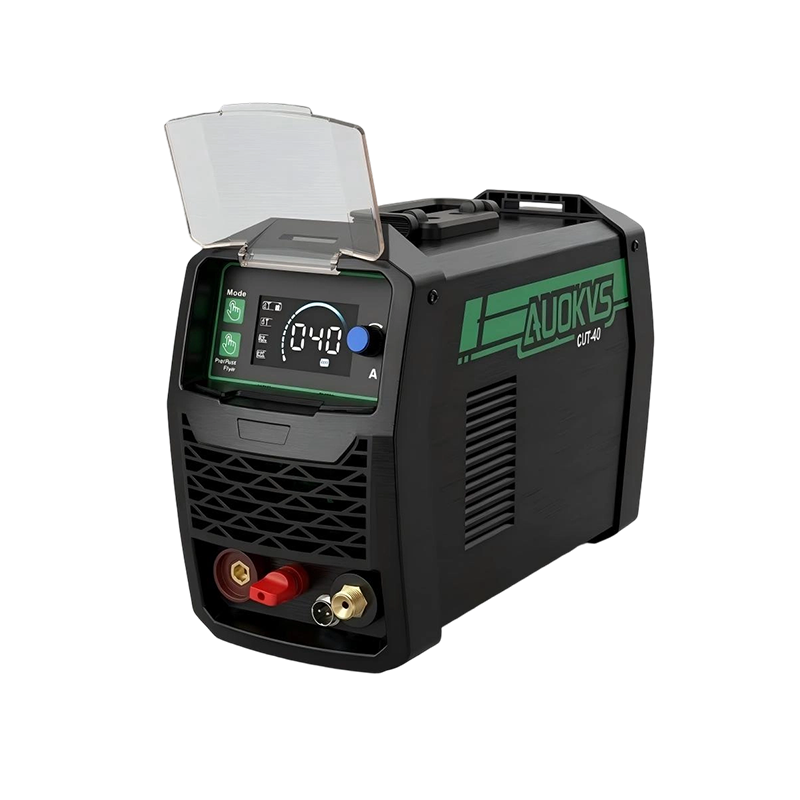
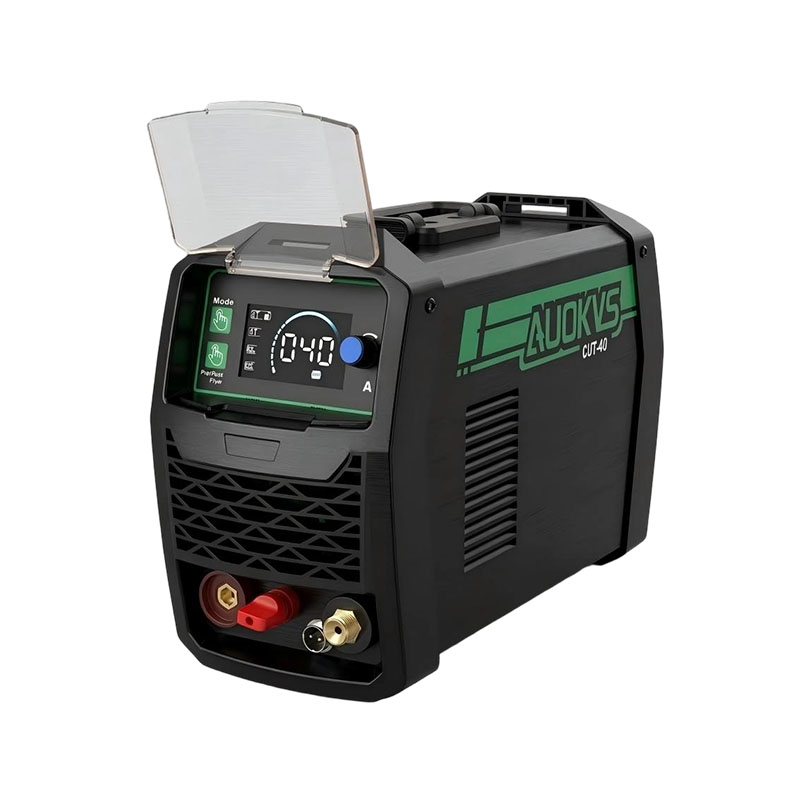
A plasma cutter TIG welder adds convenience, but it also brings two different working behaviors into one machine. That means safety awareness has to follow both cutting and welding situations, sometimes within the same hour.
How To Prepare The Workspace Before Starting Work
Before the machine even starts, the working area already plays a role in safety. Many problems begin not during operation, but around the workspace itself.
A simple habit in workshops is to look around. Not in a formal way, more like a quick check before touching anything.
Typical things people pay attention to:
- loose metal pieces on the floor
- flammable materials too close to the working zone
- unstable tables or metal stands
- cables lying across walking paths
Even small metal scraps can become a problem when sparks are involved. So clearing space is usually done without much discussion. It is just part of starting work.
Airflow also matters. In smaller rooms, smoke does not leave quickly, so some operators naturally position themselves closer to open space or ventilation points.
Why Protective Equipment Is Not Treated As Optional
In real workshop environments, protective gear is not something people debate. It is part of routine behavior.
During cutting, small sparks can bounce unpredictably. During welding, heat stays in the air longer than expected. Metal surfaces also remain hot after work is finished, even when they look normal.
Protection usually covers simple areas:
- eyes, because of light and sparks
- hands, because of heat and metal contact
- skin, because of flying particles
- breathing, in enclosed or low airflow spaces
What matters more is not only wearing protection, but wearing it consistently. Many small injuries in workshops do not come from big mistakes, but from skipping simple steps during short tasks.
Electrical Safety During Daily Operation
Since the equipment relies on electrical input, cables and connections become part of the working environment. In real use, these parts move around a lot, especially when working with larger metal pieces.
A common habit is checking cables before starting. Not in a detailed inspection way, just a quick look for damage, loose points, or exposed sections.
In workshop conditions, people also tend to avoid:
- wet or damp working surfaces
- tangled cable positions under foot movement
- stretched connections that pull on the machine
- unstable plug points that shift during use
These are not rare situations. They happen naturally in busy workspaces where tools are constantly moved and reused.
What To Watch When Switching Between Cutting And Welding
Switching modes is a normal part of using this type of equipment, but it is also a point where attention can drop for a moment.
Cutting and welding do not feel the same. Cutting is more direct, welding is slower and more controlled. When switching between them, the machine condition and material state both matter.
Before changing mode, operators often glance at:
- whether the machine has cooled slightly
- whether the work surface is still stable
- whether the metal piece has shifted during handling
It is not a strict procedure. It is more like a short pause before continuing.
In some workshops, people also wait a moment just to let heat settle, especially after longer cutting work.
How Long Working Sessions Affect Safety Awareness
In short tasks, attention stays sharp. In longer sessions, things slowly change. Not suddenly, but gradually.
Heat builds up in the equipment, metal pieces stay warm longer, and the surrounding space becomes more active with movement and noise.
During longer work periods, operators usually start to:
- take short pauses without planning
- adjust grip and posture more often
- reposition metal pieces slightly between steps
These small adjustments are part of maintaining control without stopping the workflow completely.
Cooling time is not always tracked formally, but it naturally becomes part of how people work when tasks extend over time.
How Workshop Environment Changes Equipment Behavior
No workshop is completely stable. Some are small rooms with limited airflow. Others have more open space but higher movement of materials and tools.
These environmental differences affect how the machine feels during use.
In tighter spaces:
- smoke stays longer in the air
- heat feels more concentrated
- movement around the machine is restricted
- In more open areas:
- airflow is stronger
- heat disperses faster
but tool movement may increase risk of cable disturbance
So the same machine behaves slightly differently depending on where it is used.
Why Operator Experience Changes Safety Outcomes
Two people can use the same equipment and still produce different results. A lot of that comes from experience, not just technical settings.
Experienced operators tend to:
- move more smoothly during cutting
- adjust welding speed without overthinking
- notice heat changes earlier
- pause at the right moments without stopping workflow
Less experienced use often shows small inconsistencies, like uneven movement or delayed reaction to material changes.
This is normal in workshops. Skills are built through repetition, not explanation.
How Features And Safety Work Together In Daily Use
In real workshop conditions, performance and safety are not separate topics. They overlap during every step of work.
A Plasma Cutter TIG Welder is only part of the process. The rest depends on how the workspace is arranged, how the operator reacts to heat and material changes, and how consistently small safety habits are followed.
Nothing in this environment stays completely still. Metal changes with heat, air moves through the space, and tasks shift from cutting to welding without long breaks.
The combination of equipment behavior and human handling is what shapes the final result in daily fabrication work.
 Previous