EN
EN English
 Español
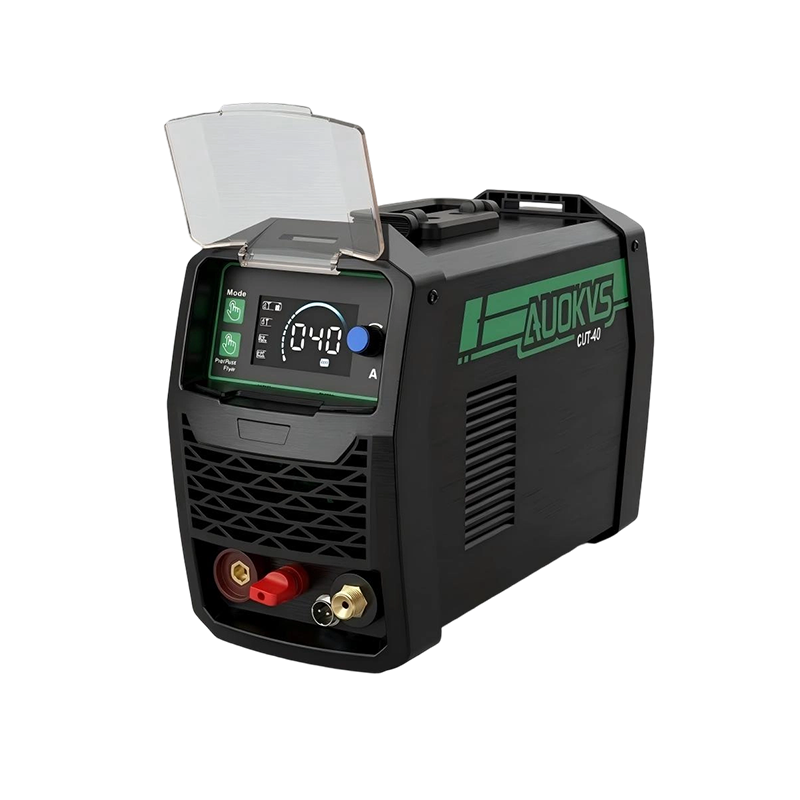
Workshops that do metal fabrication and repair work often need machines that can cut and weld without switching between different pieces of equipment. A Plasma Cutter TIG Welder brings both functions into one unit. This makes it easier to cut metal parts and then weld them together as part of the same job. Choosing the right one really comes down to understanding how it fits the kind of work your shop handles day to day.
Plasma cutting uses a super-hot stream of gas to melt through metal fast. TIG welding creates cleaner, more controlled joints with a tungsten electrode and shielding gas. When these two are combined, operators can move between cutting and welding more naturally. It saves time and space in workshops where projects usually involve both steps.
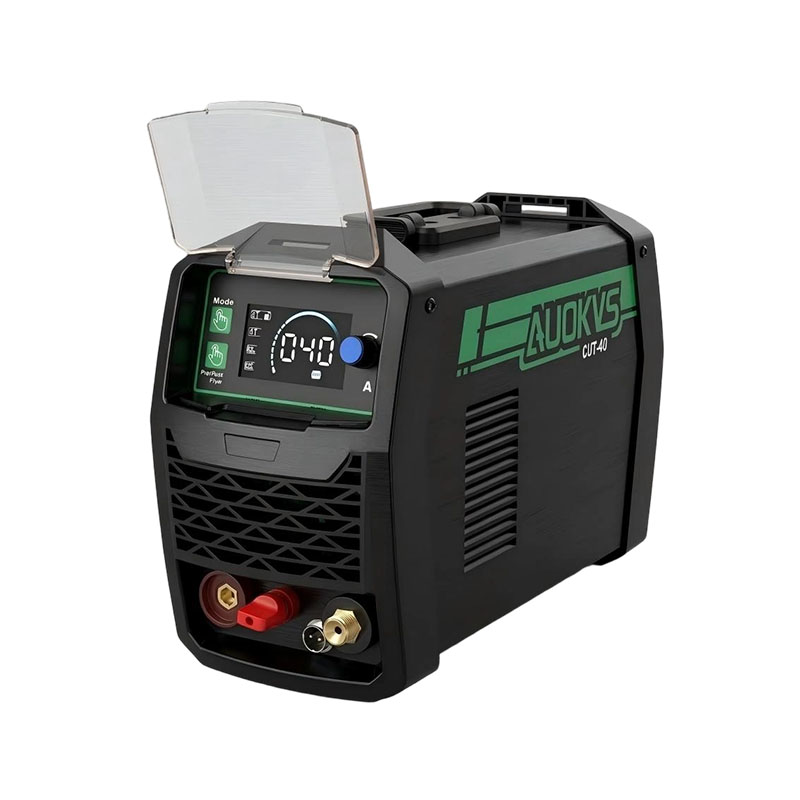
Core Components and Operating Principles of Plasma Cutter TIG Welder
The machine basically has a power source, a control panel on the front, two different torches, and hookups for gas and air. In plasma mode, gas gets forced through the torch and turns into a cutting stream after the arc starts. For TIG work, the other torch uses a tungsten electrode and separate gas to shield the weld from air.
You adjust everything from the panel depending on what you are doing. Inside, the machine converts regular shop power into what the torches need. Fans help keep things from overheating. The cables and torches carry power and gas right to the metal. All these parts work together to support the mix of jobs that come through most metal shops.
Evaluating Power and Performance Characteristics
Shops need equipment that can keep going through different tasks without stopping too often. The kind of power supply the machine accepts has to match what is available in the workshop. How much current it can deliver affects performance on different material thicknesses in both cutting and welding modes.
How long it can run continuously before needing a break matters when the work keeps coming. Controls that respond well make it simpler to switch settings when moving from cutting to welding. Clear readouts on the panel help keep things straightforward during busy hours.
Assessing Cutting Capabilities for Different Materials
Plasma cutting handles the metals that workshops see most often, like steel, stainless steel, and aluminum. It manages surfaces with some rust or paint better than many other methods. The process works on sheet metal, plate, and pipe in everyday shop conditions.
Thickness makes a noticeable difference in how the machine performs. Thinner pieces need careful heat control to avoid warping, while thicker material requires enough power for steady cuts. The torch and its replaceable parts affect cut quality and how fast things go. Shops working with mixed metals like machines that change between materials without too much fiddling.
| Material Type | Common Workshop Uses | Cutting Focus Areas | Preparation Needs |
|---|---|---|---|
| Steel | Frames and structural parts | Speed and clean separation | Usually minimal |
| Stainless Steel | Equipment and visible work | Edge appearance and low heat marks | Light surface cleaning |
| Aluminum | Panels and custom pieces | Managing heat and material flow | Attention to surface condition |
This kind of overview helps connect real shop materials to machine performance.
TIG Welding Features and Their Practical Value
TIG welding shines when the look and quality of the joint really matter. It gives good control over heat input, which helps on thinner metals and visible work. In these combination machines, the TIG side uses its own torch and gas while sharing the main power.
Foot pedals or torch controls let welders fine-tune current while working. This proves useful on curved parts or in tight spaces. The shielding gas chosen makes a difference in how the final weld looks and holds up. Repair work and custom fabrication shops often rely on this mode for nicer finishes.
Build Quality and Design Elements
Workshop machines face plenty of movement and daily wear. Solid builds and practical handles make it easier to shift the unit around the floor or load it for jobs outside the shop. Size and weight play a part in how convenient it feels to use regularly.
Panels range from simple knobs to more modern layouts. Easy-to-follow controls reduce mistakes when changing between plasma cutting and TIG welding. Torch connections need to be sturdy but quick to swap. Decent cooling design helps the machine handle longer periods of work without issues.
Safety Features and Operational Practices
Machines usually include basic protection against overheating and power problems common in workshops. Gas flow checks help maintain steady results. Good grounding remains important for safe operation.
Everyday safe use involves proper protective gear, keeping the area around the machine open, and handling torches carefully. Ventilation takes care of fumes generated during cutting and welding. Most shops turn these steps into regular habits that everyone follows.
Workshop Space and Setup Requirements
Finding the right spot for the machine in the shop takes some thought. It needs decent airflow so fumes clear out and the unit does not run too hot during longer jobs. The power outlet has to match what the machine needs, and many shops prefer a dedicated circuit for steady performance.
Plasma cutting requires clean, dry compressed air. Most workshops place the unit against a wall but leave enough room on the sides to change torches comfortably or do basic checks. Keeping cables tidy reduces clutter and makes the floor safer to move around. In smaller shops especially, the overall size of the machine matters because space gets tight when projects are running.
Maintenance and Long-Term Reliability Factors
Everyday care makes a big difference in how long the machine stays reliable. Plasma torch parts wear out naturally and need swapping from time to time. Cleaning the air filters and checking cable connections helps catch small issues early.
On the TIG side, the tungsten electrode and ceramic cups also need occasional attention to keep the arc steady. Many shops get into the habit of wiping everything down after busy days and storing the torches properly. Keeping the machine away from heavy dust and moisture goes a long way in normal workshop conditions.
Matching Equipment to Specific Workshop Applications
Fabrication shops often use it to cut parts to shape and then weld them together. Repair jobs benefit from clean removal of damaged pieces followed by new welds. Automotive work might involve cutting exhaust sections or brackets and then fixing them back in place.
Custom metal projects and artistic work take advantage of the neat cuts and controlled TIG welds. Maintenance crews use the machine for quick fixes and modifications on existing equipment. The ability to cut fast and weld cleanly makes it practical for many different kinds of shop tasks.
Integration with Other Workshop Tools
This machine usually fits right in with grinders, clamps, and welding tables. After cutting, a quick pass with the grinder often prepares the edge for welding, creating a natural working flow. Shops tend to keep it near the main work area so moving material back and forth stays easy.
It works well with the air compressors and gas cylinders the shop already has. When the controls feel easy to use, operators spend more time on the actual job and less time fiddling with settings. In a good layout, the Plasma Cutter TIG Welder becomes just another dependable tool in the lineup rather than something that slows things down.
Decision Making Considerations for Workshop Acquisition
Picking a Plasma Cutter TIG Welder comes down to the kinds of materials and jobs that show up most in the shop. Space limitations and available power supply set clear boundaries on what will actually work. How often the machine will run influences how important build quality and simple maintenance become.
Torch feel, control layout, and how easily it switches between cutting and welding all affect daily comfort. Workshops also think about how quickly different operators can get used to it. Taking time to match these real-world points to the shop’s actual needs usually leads to equipment that supports the work smoothly over time.
Machines like this come from manufacturers such as ChuangLi Electronic Technology Co., Ltd. , who focus on practical solutions for metalworking workshops.
 Previous