EN
EN English
  Español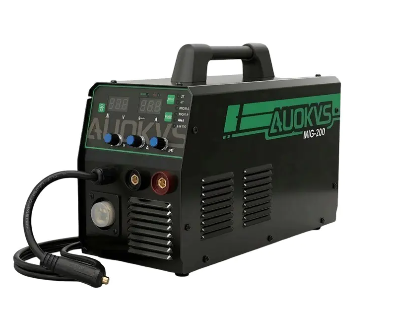
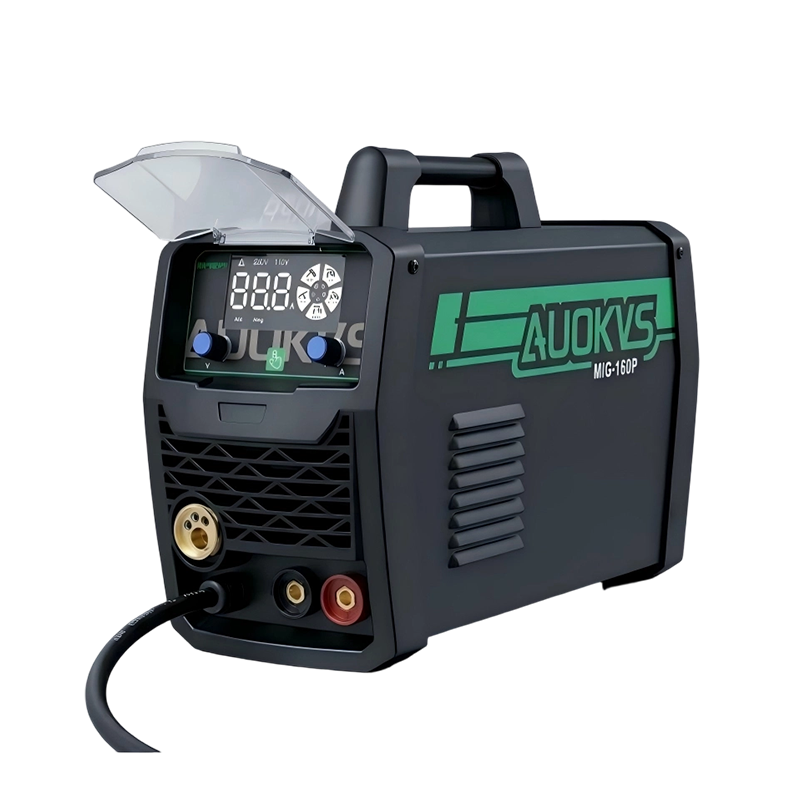
MIG Welding joins metals by feeding a wire through a gun while shielding gas flows around the arc to keep the weld area clean. A MIG Welder carries out this work in many common situations where people need to fasten metal pieces together. In daily tasks around homes, workshops, and small job sites, the method shows several practical sides that make the work flow more smoothly.
How MIG Welding Works in Simple Terms
The way a MIG Welder operates stays fairly direct. You hold the gun, pull the trigger, and wire feeds steadily from a spool toward the metal. At the same time, gas flows out to cover the hot spot and keep air away from the joint. This setup helps the arc stay steady while the wire melts and mixes with the pieces you are joining.
People often notice that once the basic controls for wire speed and power feel right, the weld moves along at a natural pace that matches how fast your hand travels. The wire does double duty as both the electrode and the filler material. As the arc starts, it melts the wire right into the joint while the gas shield protects the whole area.
- The continuous wire feed means you can run longer beads without stopping to change anything.
- Gas keeps the weld clean so you do not have to deal with as much mess from outside air.
- The operator mainly guides the gun and keeps a steady angle instead of worrying about feeding filler by hand.
Many find the process straightforward because the machine handles most of the filler delivery automatically. You just focus on moving the torch smoothly along the joint line. This makes the whole activity feel simpler than methods that require constant manual adjustments or rod changes.
Ease of Operation for General Users
One clear point about using a MIG Welder is how easy it feels for regular tasks. The controls sit right on the machine or on the gun itself. You adjust the feed rate and voltage with a few simple turns or button presses. After you match the settings to the thickness and type of metal, the equipment usually runs without needing constant tweaks.
This leaves you free to concentrate on keeping the gun moving at a steady speed and angle. People with all kinds of experience pick up the basic motion fairly quickly.
- Beginners start on simple practice pieces and learn how the puddle behaves under the arc.
- Experienced users make small changes for better results on more difficult joints.
- The wire feed handles the filler, so your main job is guiding the gun.
Setup is usually quick. Connect the gas, load the wire spool, attach the ground clamp, and the MIG Welder is ready to go. The trigger gives you direct control over starting and stopping the arc, which helps when you need short welds or longer runs. In daily work this kind of straightforward handling means you spend less time getting ready and more time actually welding.
Over time, most operators develop a feel for the right combination of speed and power. Small adjustments during the weld become easy because the controls respond right away to changes in the material or position.
Versatility Across Common Materials and Thicknesses
A MIG Welder handles a good range of metals that turn up in ordinary projects. It works on regular steel sheets, stainless pieces, and aluminum parts you often see in home repairs or workshop builds. Thin material needs lighter settings to keep heat under control. Thicker sections take a bit more power and wire to fill the joint properly. You switch between them without a full machine change, just some small adjustments to the dials and gas.
In projects that mix different thicknesses, the same welder manages the shifts. You change travel speed or power a little as you move along the piece. A frame with both light panels and heavier supports can come together in one session without switching tools. This flexibility works well for the mixed jobs that show up in everyday metal work.
Different joint styles fit within the same setup too.
- Flat seams run smoothly with steady gun movement.
- Corner connections respond well when you keep the right angle.
- Overlapping areas fill nicely with the continuous wire feed.
The process adapts to the shape of the pieces instead of forcing you to use different equipment for each variation. Materials with different surface conditions or makeup still join effectively after basic cleaning, as long as the settings match the main characteristics. The workflow stays connected and practical for daily demands.
Speed and Efficiency in Routine Tasks
Speed is one reason the process fits routine applications so well. The continuous wire keeps the arc going for longer stretches, which means fewer starts and stops along a seam. In a workshop where several brackets or supports need attention, you can move from one piece to the next with only short pauses. The flow stays even and helps the whole job move at a natural rate.
Downtime stays low because the spool and gas cylinder last through many joints before they need attention. Once everything is set up, the MIG Welder stays ready for the next pass or nearby repair. Tasks like fixing fences or building utility racks benefit from this steady pace that matches a normal workday.
You can plan your sequence so similar joints follow each other using the same settings. This reduces the mental effort of constant readjustment and lets your hands stay focused on smooth movement along the metal. In busy days, the reduced pauses help you finish more work within the available time while still paying attention to quality.
Clean and Manageable Weld Appearance
The finished weld often needs only light attention afterward. Under normal conditions the bead comes out with even ripples and not much loose material around the edges. A quick brush or light grind clears away small spatter and leaves a surface that feels solid and ready for the next steps.
This manageable finish changes how the full job comes together. Less time goes into heavy cleanup, so the sequence from cutting metal to final assembly keeps a smoother rhythm. In home garages or small shops, where both space and time matter, the reduced finishing work helps projects stay on track without extra effort.
The bead shape tends to follow the joint line when the gun moves at a consistent pace. Edges tie in cleanly with the base metal, creating a connection that looks even along its length. For many everyday uses, this level of appearance meets the needs without requiring a lot of additional work.
Portability and Practical Setup in Various Locations
Portability makes a real difference when work happens in different places. Many MIG Welders roll easily on carts or can be carried short distances to the actual spot. Power connects through standard outlets or generators, and the gas bottle travels safely when secured properly. The equipment can reach the pieces instead of forcing heavy items to a fixed location.
The setup works in varied conditions as long as basic power and gas stay available. A little extra gas flow handles light wind outdoors, while indoors it runs with ordinary ventilation. This ability to shift locations makes the MIG Welder useful for quick fixes around the property or maintenance in different areas.
Moving between stations or job sites becomes part of the daily routine rather than a big task. Setup at a new spot takes little time, so the focus stays on the welding itself.
Safety Considerations During Regular Use
Safety routines with a MIG Welder stay straightforward during regular use. The trigger gives clear control over when the arc starts and stops. Ground connections stay firm to complete the circuit properly. Standard protective gear like a helmet, gloves, and proper clothing remains the main defense, while the gas helps limit direct exposure around the joint.
Paying attention to travel speed and gun angle keeps the molten area in check and reduces the chance of too much heat spreading. These habits develop with practice and support steady work without unexpected issues. In everyday settings, simple steps like these let the process continue safely from start to finish.
Good ventilation in the work area helps manage the air, and operators learn to position themselves for clear visibility and control.
Cost-Effective Aspects in Everyday Applications
The MIG Welder brings practical balance to daily tasks when it comes to resources. Wire spools provide good running time before replacement, and gas cylinders support multiple sessions depending on flow settings. The filler used stays close to what the joint actually needs, so waste stays modest when settings match the job.
In repeated work, such as building several similar items, operators gain a feel for the right settings. This familiarity helps jobs move without long testing pauses. Workshops or home setups handling ongoing repairs find that steady operation and limited cleanup support reasonable use of time and materials.
Integration in Home, Workshop, and Light Industrial Settings
The MIG Welder finds a natural place in home settings for all kinds of repair and building tasks. Garden tools, metal furniture, or fence parts can be fixed or strengthened with simple adjustments to the controls for different thicknesses. Many people keep the machine ready for sudden needs like mending a broken bracket or adding a new support.
In workshops, it supports custom pieces and small runs. Brackets, stands, or enclosures take shape through a series of welds. The continuous wire lets you add material where extra strength is needed, especially on parts that will carry weight or see regular movement. Maintenance on machines or worn components moves forward as the process restores dimensions and alignment.
Light industrial areas use the MIG Welder for jobs that mix repair with new fabrication. Automotive panels need careful heat control while thicker frame sections require solid fill. Exhaust parts and structural items like railings or gates come together with steady beads that follow the contours.
| Aspect | MIG Welder in Daily Use | Typical Other Approaches |
|---|---|---|
| Filler delivery | Continuous wire from spool | Frequent rod or manual changes |
| Shielding | Gas flow around the arc | Flux or other coverings |
| Adjustment during weld | Simple dial or button changes | More frequent manual handling |
| Post-weld cleanup | Light brush or grind | Often heavier removal of residue |
| Handling different thicknesses | Small setting adjustments | May need equipment swaps |
| Moving between jobs | Easy to roll or carry | Sometimes more fixed or bulky setup |
The equipment handles shifts between repair and new construction in the same session. A cracked piece gets fixed first, then new supports go on with adjusted settings. This keeps the workflow connected without major tool changes.
When aluminum or stainless pieces appear, the basic operation stays the same while wire and gas choices adapt. Heat around the joint needs watching to limit changes in nearby metal. Steady travel speed and clamps help keep things in position so the focus stays on the bead.
Surface cleaning before welding remains important for good fusion. After the joint cools, a basic check usually shows the weld has tied in well. Later steps depend on the final use—some joints stay as they are, others get light smoothing before paint or coating.
The MIG Welder fits comfortably with other tools like cutters and grinders. It supplies the joining step that turns separate pieces into working assemblies. Skills from general metal handling carry over nicely.
Field repairs benefit from the movable setup. The welder travels to the broken part, and generators provide power when needed. This mobility saves time and effort moving heavy items.
Throughout these uses, the practical sides of the MIG Welder stand out in the way it supports everyday metal tasks. Simple operation, range across materials, steady pace, manageable results, and flexible placement all help keep the work direct and workable for home projects, workshop routines, and light industrial demands.
ChuangLi Electronic Technology Co., Ltd. appears as one of the companies involved in making equipment for these welding tasks
 Previous