EN
EN English
 Español
Welding joins metals together to create solid, lasting connections that hold up under stress. It plays a key role in everything from building structures and fixing machinery to creating art pieces. Over the years, different techniques have developed to handle various metals, thicknesses, and working conditions. Three approaches that come up often in shops and job sites are MIG welding, TIG welding, and Stick welding. Each one has its own way of working, along with strengths and drawbacks that make it better suited for certain jobs.
What Welding Involves
Welding brings materials—usually metals—together by applying heat, sometimes with pressure, to fuse them into one piece. It creates a continuous bond rather than relying on bolts or other fasteners that can loosen over time. The process needs a source of heat to melt the edges, filler material in many cases to fill gaps and add strength, and some form of protection to keep the molten metal from reacting with the air.
Key parts include the heat that does the melting, any extra rod or wire that gets added in, shielding to block contamination, and the skill of the person running the equipment. The right choice depends on the metal you're working with, how thick it is, whether you're indoors or out, how fast you need to move, and what the finished joint should look like.
MIG Welding
MIG welding stands out for its versatility and the way it lets you keep a steady pace once you get going. Many people call it wire welding because that's exactly what happens.
How It Works
You feed a continuous wire through a gun while an electric arc melts both the wire and the pieces you're joining. At the same time, gas flows out around the arc to shield the hot metal from the air. Because the wire keeps coming, you can lay down longer runs without stopping to change anything, which makes the process feel smooth for many jobs.
Where It Gets Used
MIG welding shows up in auto repair shops, light fabrication work, sheet metal projects, and production settings where parts need to come together quickly. Hobbyists like it too because the learning curve doesn't feel overwhelming right away.
What Works Well
The steady wire feed helps you cover ground without constant interruptions. The welds often come out fairly clean, so there's less grinding or chipping afterward. It handles thinner to medium materials nicely and adapts to different metals like steel or aluminum.
Challenges to Watch For
Wind can blow the shielding gas away, so it's happier indoors. The setup tends to be bulkier and less easy to carry around compared to simpler gear. You also need to clean the metal surfaces decently beforehand for the best results.
TIG Welding
TIG welding earns respect for the control it gives and the clean, attractive joints it can produce when done right.
How It Works
A tungsten electrode creates the arc to heat the metal, but the electrode itself doesn't melt away. If you need extra material to fill the joint, you add it by hand with a separate rod. Gas flows around the area to keep everything protected. This setup lets you adjust heat and filler carefully, which matters when precision counts.
Where It Gets Used
You'll see TIG welding on aerospace parts, high-end car work, stainless steel or aluminum pieces, pipe joints, and even sculptures or decorative metalwork. It shines when the job calls for fine detail or a smooth appearance.
What Works Well
The welds tend to look neat with very little mess or spatter. You have good command over the heat and how much filler goes in. It works on a range of metals, including some trickier alloys, and handles thin sections without burning through easily.
Challenges to Watch For
The process moves slower because everything happens by hand. It takes time and practice to develop the coordination between the torch and the filler rod. The equipment runs a bit higher in cost, and it's not the quickest choice when you have a lot of material to cover.
Stick Welding
Stick welding has been around a long time and still earns its keep for tough, practical jobs, especially when conditions aren't ideal.
How It Works
You use a rod coated with flux that melts as you strike an arc. The coating creates gases that shield the weld while also forming a layer of slag on top. After the joint cools, you chip away that slag to see the finished bead.
Where It Gets Used
This method handles structural steel, pipeline repairs, heavy equipment maintenance, outdoor fieldwork, and jobs on thick or dirty metal. Shipyards and construction sites often rely on it when portability and ruggedness matter.
What Works Well
The gear is straightforward and easy to take just about anywhere. It manages thicker materials and uneven surfaces without much complaint. Wind or open air doesn't bother it much since the flux does the shielding. Setup and supplies tend to stay on the affordable side.
Challenges to Watch For
It can feel slower on thinner pieces. The slag needs cleaning after each pass. Keeping a steady arc and nice bead takes some practice. It doesn't usually deliver the cleanest or most decorative look without extra work afterward.
How the Three Compare
Every method has its sweet spot, and the right one usually depends on what you're actually trying to get done that day.
MIG tends to feel quicker and smoother when you're laying down steady beads on thinner or medium stuff inside the shop. Once you get the settings dialed in, you can keep moving without a lot of stops.
TIG gives you that fine touch and a really nice-looking bead, especially when you're working with thin metal or something that needs to look clean and precise. It rewards patience and a steady hand.
Stick shines when you need something tough and portable—out in the field, on heavy steel, or when the weather isn't cooperating. It gets the job done even when conditions are rough.
No one process beats the others across the board. You have to look at the type of metal, how thick it is, whether you're working indoors or outside, how many pieces you're running, and whether the finished weld needs to look pretty or just hold strong. Thinking through those details usually points you toward the approach that makes the most sense for the job.
| Welding Method | Strengths | Best Use | Notes |
|---|---|---|---|
| MIG | Fast, smooth, consistent | Thin to medium metals, indoor shop work | Requires shielding gas; less portable |
| TIG | Precise, clean welds | Thin metals, detailed or aesthetic work | Slower; requires skill and patience |
| Stick | Rugged, portable, versatile | Thick metals, outdoor or field work | Slower on thin metal; slag cleanup needed |
Staying Safe While Welding
Welding throws a lot at you—hot sparks, bright arc light, electricity, and fumes—so it pays to take safety seriously from the start. A few good habits can keep you and everyone around you out of trouble.
Wear the right gear: a decent helmet with a lens that matches the work, heavy gloves, flame-resistant jacket and pants, and solid boots. Make sure the shop or workspace has good airflow so you're not breathing in the smoke. Check your cables and connections before you power up, and steer clear of wet floors or damp conditions. Clear flammable stuff away from the area and keep a fire extinguisher handy. Putting in the time to learn proper technique not only cuts down on mistakes but usually leads to better-looking welds too.
Choosing the Right Method
Picking the best way to weld comes down to thinking about a few practical things. Different metals behave differently, so some pair naturally with one process over another. Thickness matters—thinner material often works better when you can control the heat closely, while thicker pieces may need something that gets good penetration without too much trouble.
If you're working inside a shop, you have more flexibility with gas-shielded methods. Out in the open or on a job site, something that doesn't rely on bottled gas can save you headaches. Consider how many parts you need to finish, how comfortable you feel with the technique, and whether the weld needs to look finished or just needs to hold. Balancing those factors usually helps you match the process to the project instead of trying to make one method do everything.
Looking After Your Equipment
Taking a few minutes here and there to look after your gear makes a surprising difference. Walk around and check cables, connections, and tips for any wear or damage. Clean or swap out parts that get gunked up or burned. Keep your rods and wire dry so moisture doesn't ruin them.
| Maintenance Task | Key Action | Purpose |
|---|---|---|
| Inspect cables & connections | Check for wear or damage | Prevent unexpected breakdowns |
| Clean or replace parts | Remove gunk or burned components | Maintain consistent performance |
| Store rods & wire properly | Keep dry and protected | Avoid moisture-related damage |
When you're using gas, make sure the bottles and regulators are in good shape and topped off. These small habits cut down on surprise breakdowns, help the equipment last longer, and usually give you more consistent results on the weld.
What Lies Ahead in Welding
MIG, TIG, and Stick each bring something worthwhile depending on the situation. MIG often feels like the go-to for getting things done efficiently in a controlled space, TIG shines when you need careful, good-looking work on finer details, and Stick is hard to beat for rugged jobs where you just need to get in there and make it hold. Thinking about the metal, the environment, your own skill level, and what the joint really needs usually helps you land on the right choice. With regular practice, solid safety habits, and basic maintenance, welding can produce joints that hold up for years. As tools and methods continue to evolve, the craft keeps opening up space for both everyday repairs and more creative projects.
ChuangLi Electronic Technology Co., Ltd.
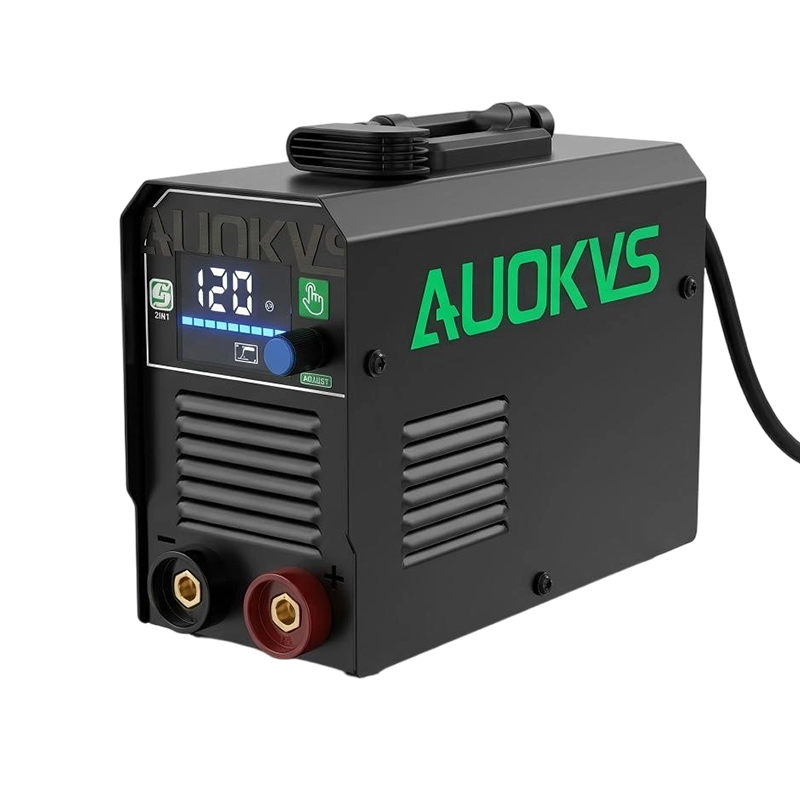
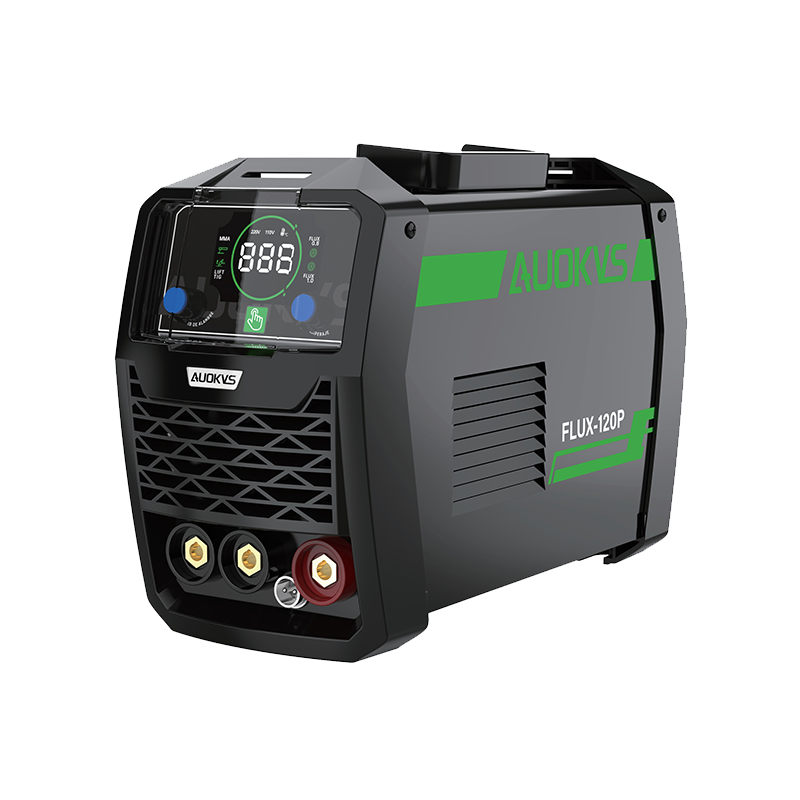
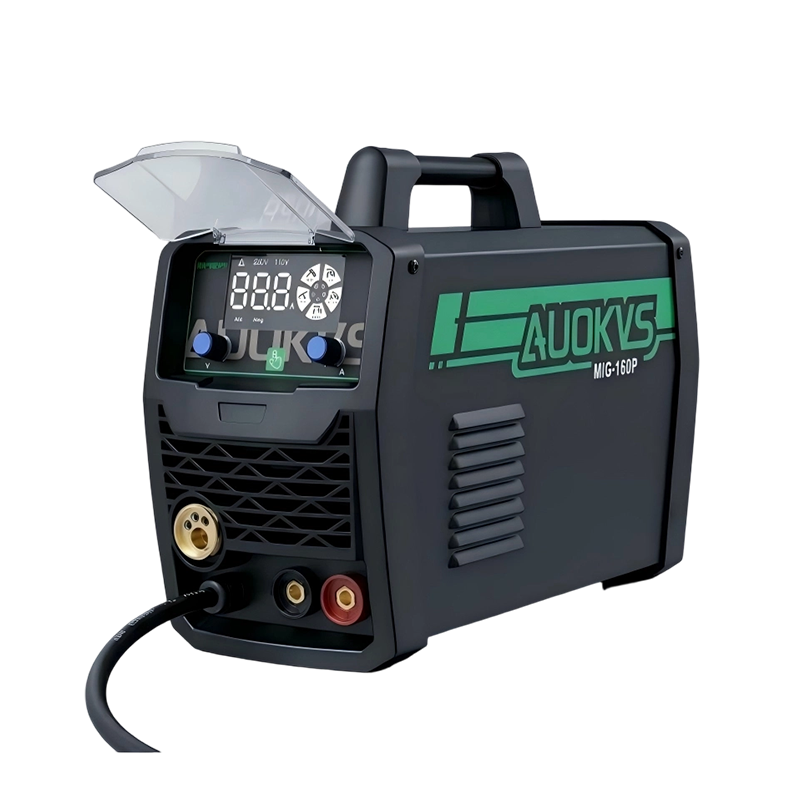
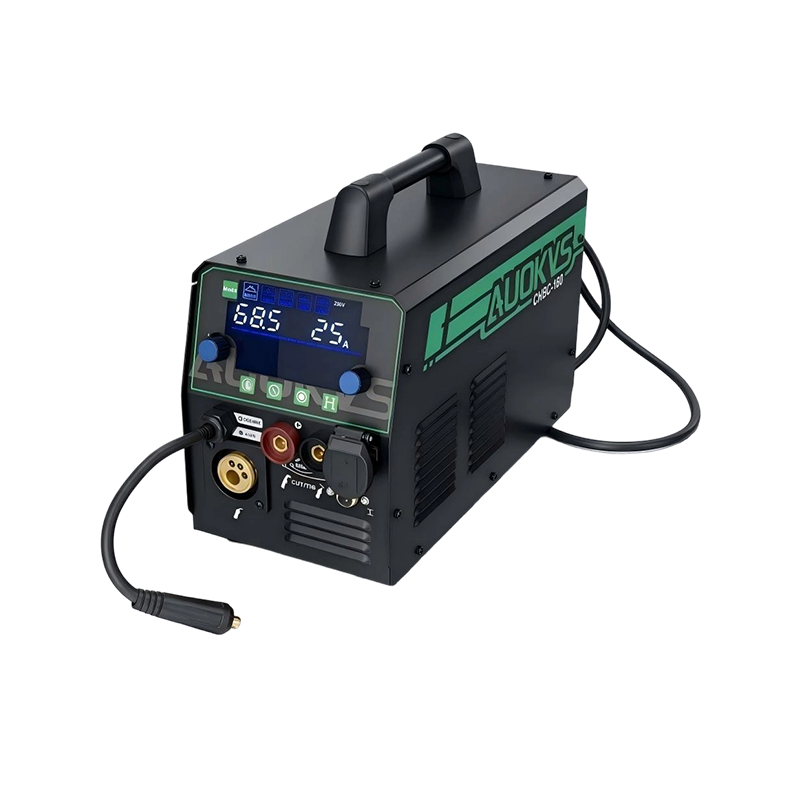
At ChuangLi Electronic, innovation meets reliability in every welding solution offered. By combining advanced MIG, TIG, and Stick welding equipment with user-focused design, the company ensures that professionals and hobbyists alike can tackle projects of any scale or complexity.
From precise, clean TIG welds on delicate metals to rugged Stick welding in demanding outdoor environments, ChuangLi Electronic's tools support both efficiency and craftsmanship. Their commitment to quality, safety, and durability allows welders to focus on skill and creativity, knowing their equipment can handle the challenges at hand. With ChuangLi Electronic, every joint becomes an opportunity to achieve strength, precision, and lasting performance.
 Previous