EN
EN English
 Español
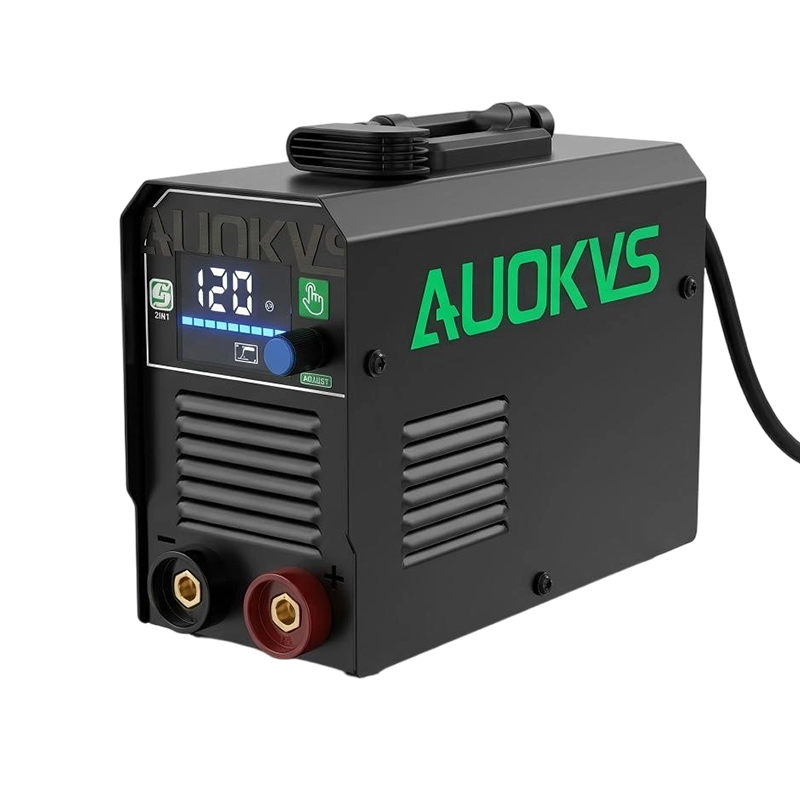
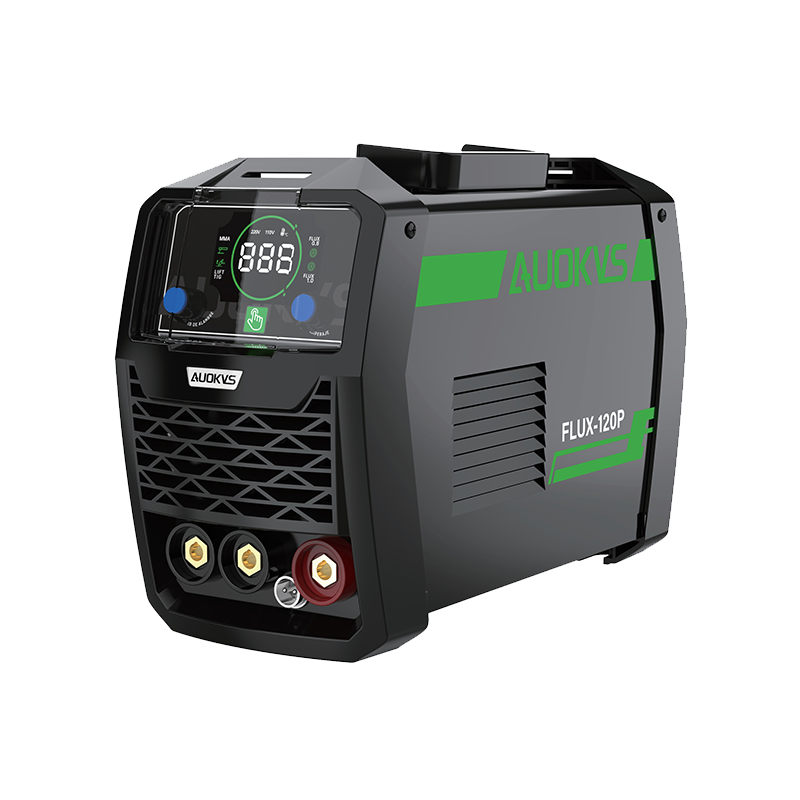
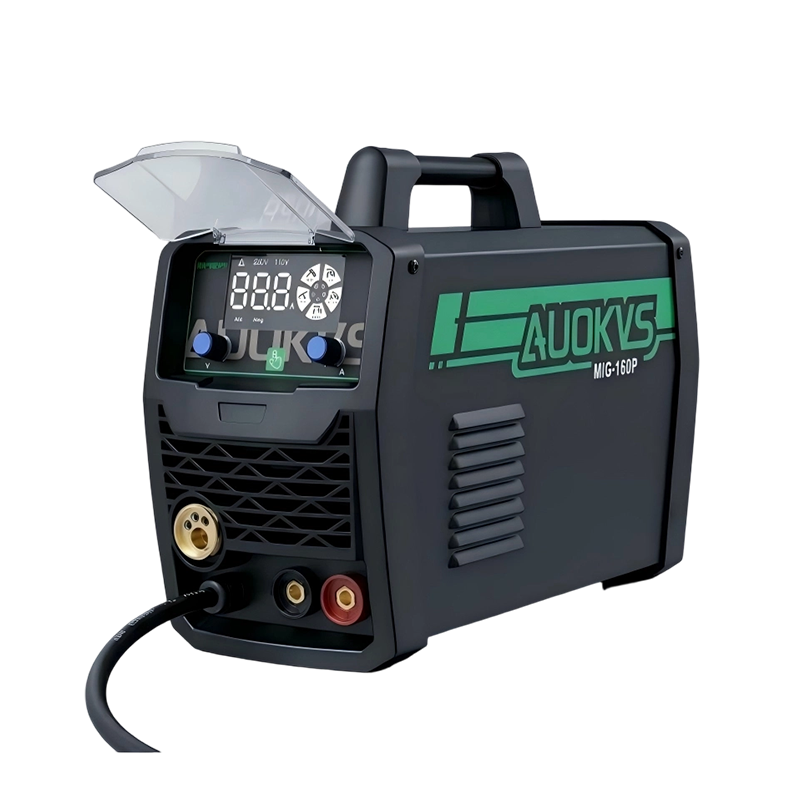
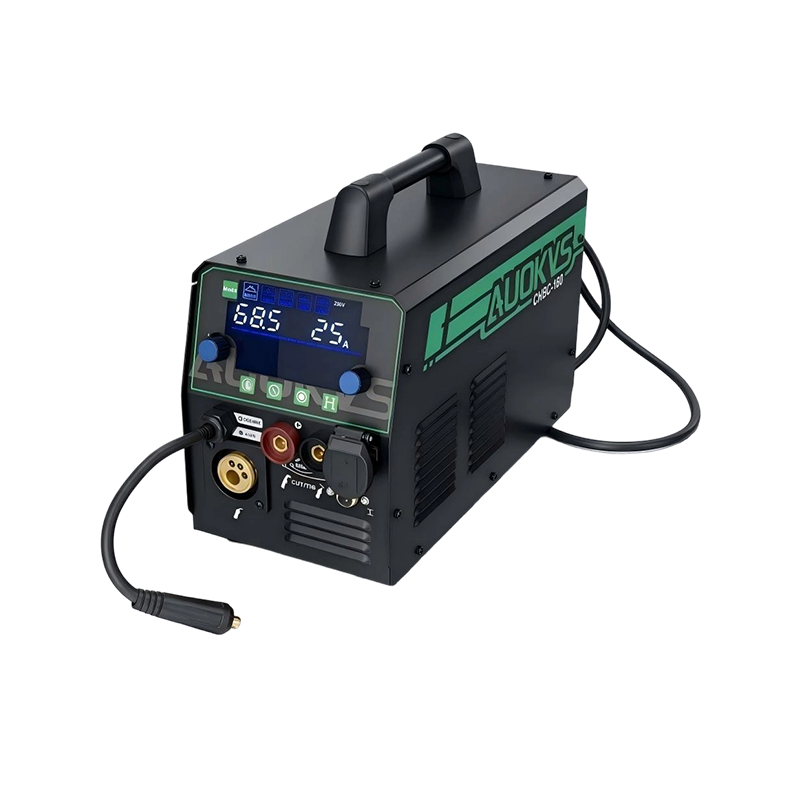
As a custom logo welder supplier, we are frequently asked by brand owners, importers, and distributors:
“What is the real OEM process behind a custom logo welding machine?”
In practice, a custom logo welder is not created by simply changing a logo or applying new packaging. A reliable OEM welding machine supplier follows a structured process that focuses on performance, compliance, and long-term product stability.
Below is a clear, step-by-step explanation of how a custom logo welder is developed—from the supplier’s perspective.
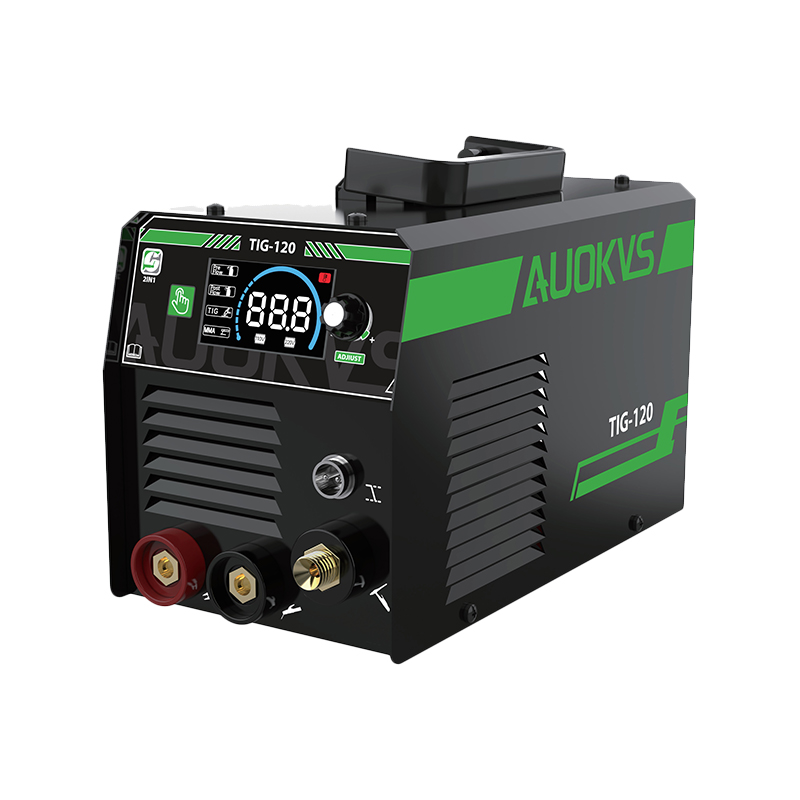
Step 1: Application Analysis and Target Market Definition
- Every OEM welding machine project begins with understanding the actual application requirements.
- This includes confirming the welding process, end-user profile, target market, technical requirements, and compliance needs.
Step 2: Proven Base Welding Machine Platform Selection
Most custom logo welder projects are built on proven inverter welding platforms with verified performance and production history.
Step 3: Custom Logo, Control Panel, and Exterior Design
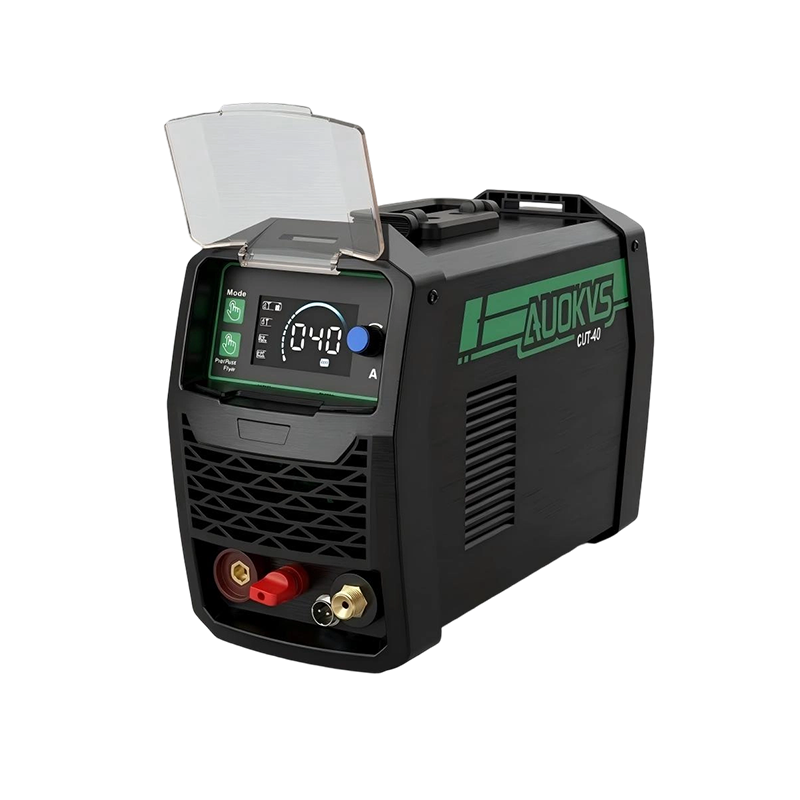
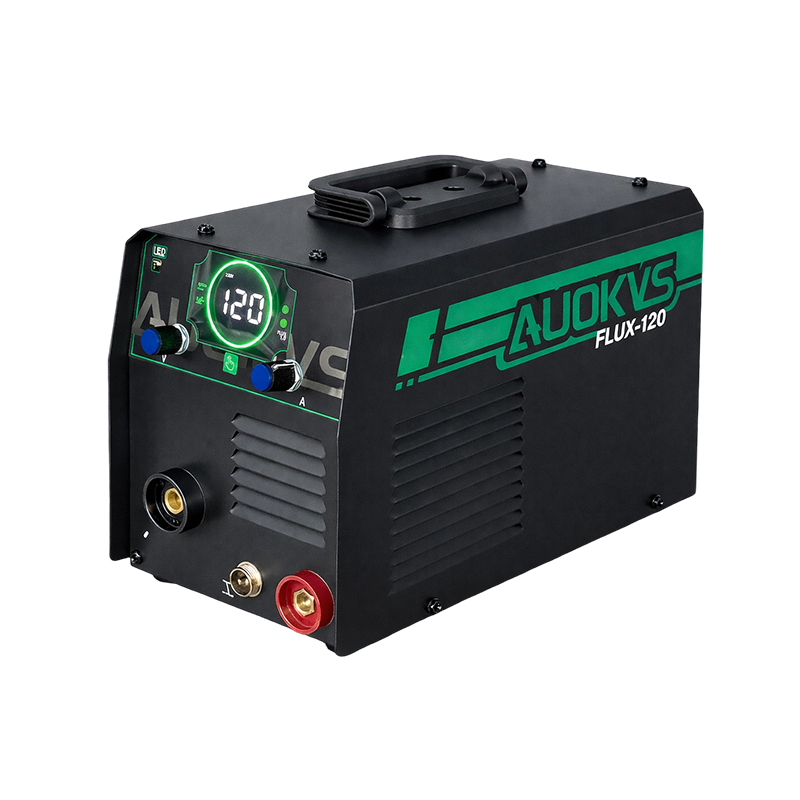
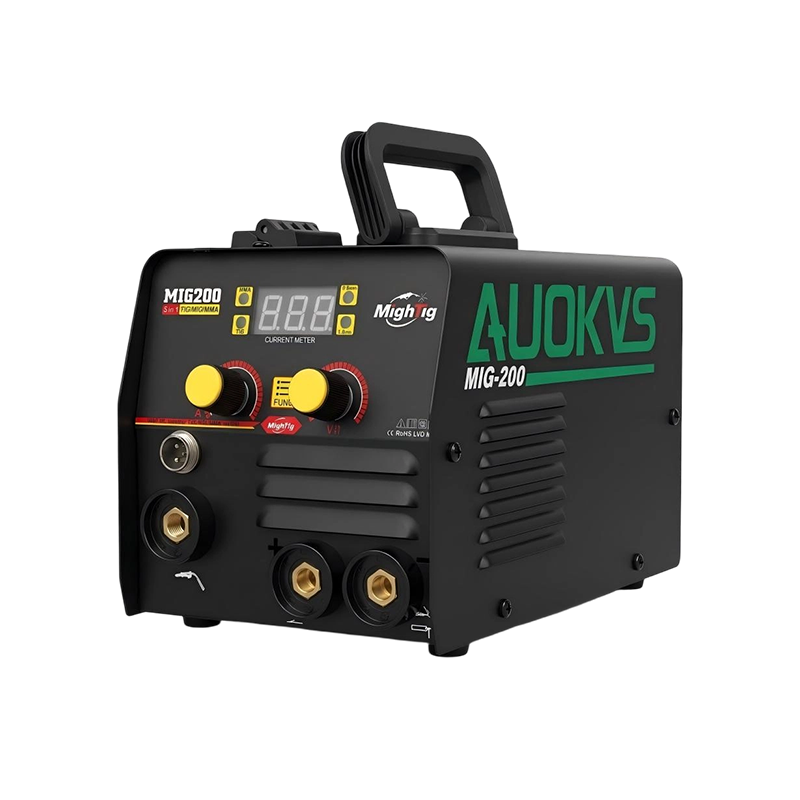
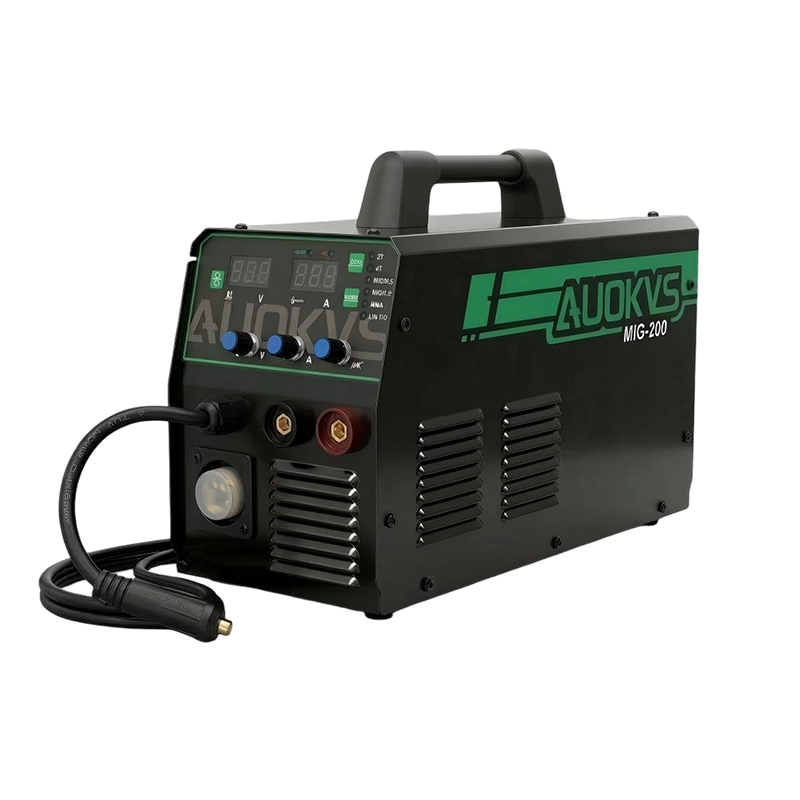
Branding customization includes logo printing, panel layout, color customization, and packaging design while ensuring compliance.
Step 4: Sample Testing and Welding Parameter Verification
OEM samples are tested for actual output current, duty cycle, thermal stability, arc performance, and safety protection.
Step 5: Mass Production and Quality Control Management
Quality control covers incoming inspection, assembly testing, final performance testing, and random inspection before shipment.
Step 6: Export Packaging and Long-Term After-Sales Support
This includes export packaging, branded manuals, spare parts support, and technical support for future models.
A true custom logo welding machine results from a structured OEM manufacturing process, not shortcuts.
Choosing the right custom logo welder supplier means choosing responsibility, transparency, and long-term value.
 Previous