EN
EN English
 Español
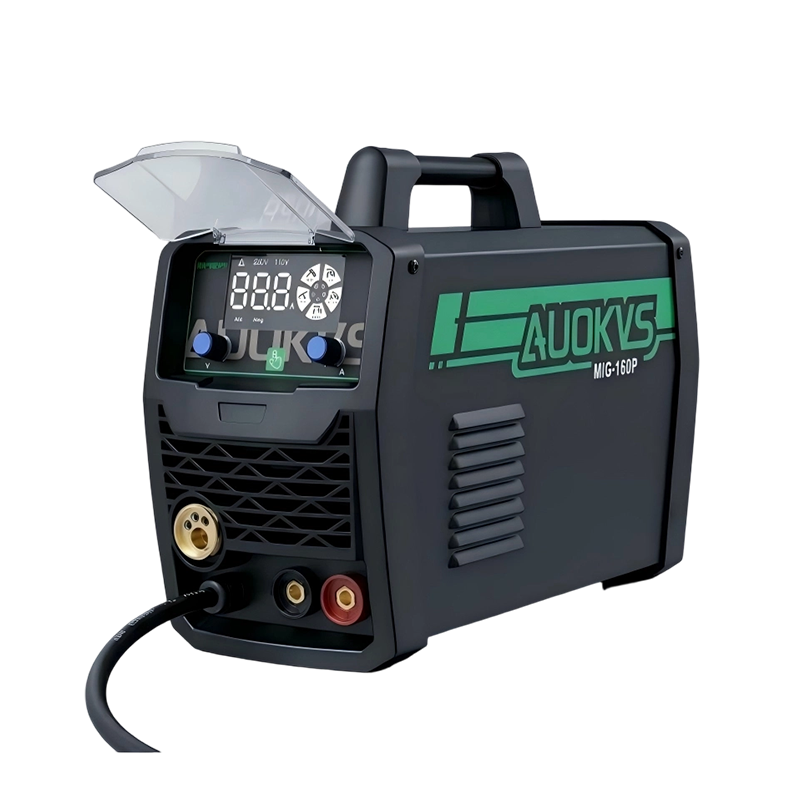
Pulse welding technology, especially in MIG processes, is transforming modern light industrial welding by offering unparalleled control and precision. Unlike traditional MIG welding, which applies a continuous current, a pulse MIG welder delivers controlled bursts of current, allowing the metal to heat and cool more effectively. This approach reduces spatter, reduces distortion, and produces consistent high-quality welds, making it particularly valuable for delicate or thin materials.
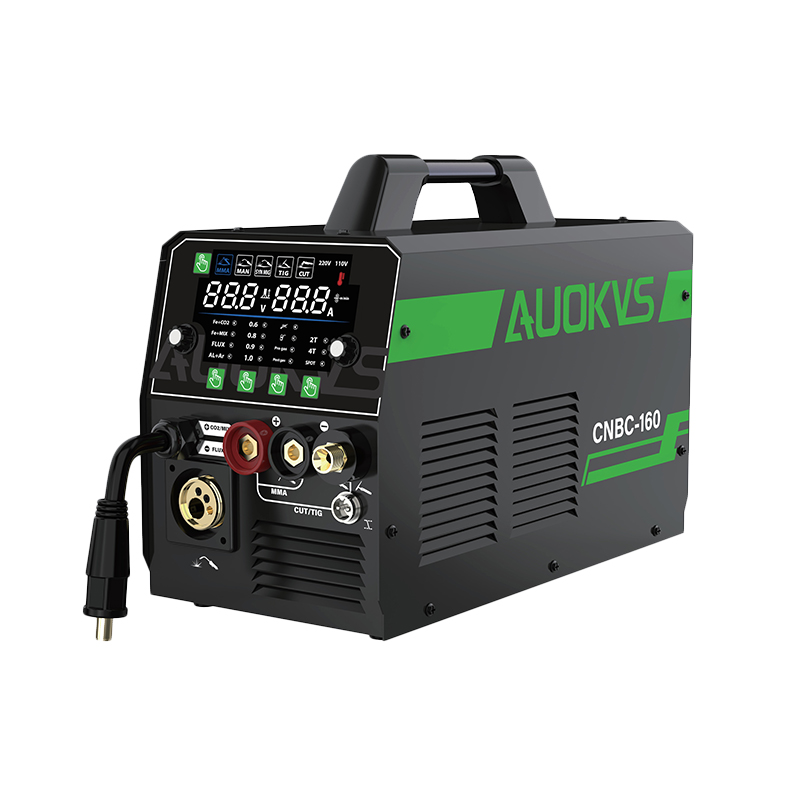
One major advantage of pulse welding is the ability to fine-tune parameters to match specific production requirements. Custom parameter welders allow operators to adjust pulse frequency, current amplitude, and duration, providing precise control over the heat input. This precision is critical in industries such as automotive components, aerospace parts, and machinery manufacturing, where even minor inconsistencies can cause product failure.
Integration with modern OEM IGBT welding equipment further enhances the benefits of pulse welding. IGBT technology provides faster response times, stable arcs, and higher energy efficiency, ensuring that pulse welders operate reliably even under demanding conditions. Moreover, manufacturers offering OEM pulse MIG welders can customize voltage, current ranges, and control interfaces to match client requirements, making them highly adaptable for different markets worldwide.
Pulse MIG welding also supports branding and OEM customization. By working with a custom logo welder supplier, businesses can provide equipment that not only meets technical specifications but also aligns with corporate identity. This is particularly relevant for companies supplying multiple end users or resellers who prioritize brand consistency alongside performance.
The applications of pulse welding are expanding rapidly. From automotive sheet metal to precision machinery components, pulse MIG welders provide good control and repeatability. The technology reduces defects, reduces rework, and increases production efficiency, all of which contribute to lower overall manufacturing costs. Furthermore, as custom welding machines evolve, integrating digital controls and automation with pulse welding ensures even greater accuracy and ease of use.
Looking ahead, pulse welding is expected to play a central role in the evolution of light industrial welding. With the combination of OEM pulse MIG welders, intelligent controls, and flexible customization, manufacturers can achieve high-quality results while maintaining scalability and efficiency. Companies investing in pulse welding technology gain not only good weld quality but also a competitive advantage in a demanding industrial market.
 Previous