EN
EN English
 Español
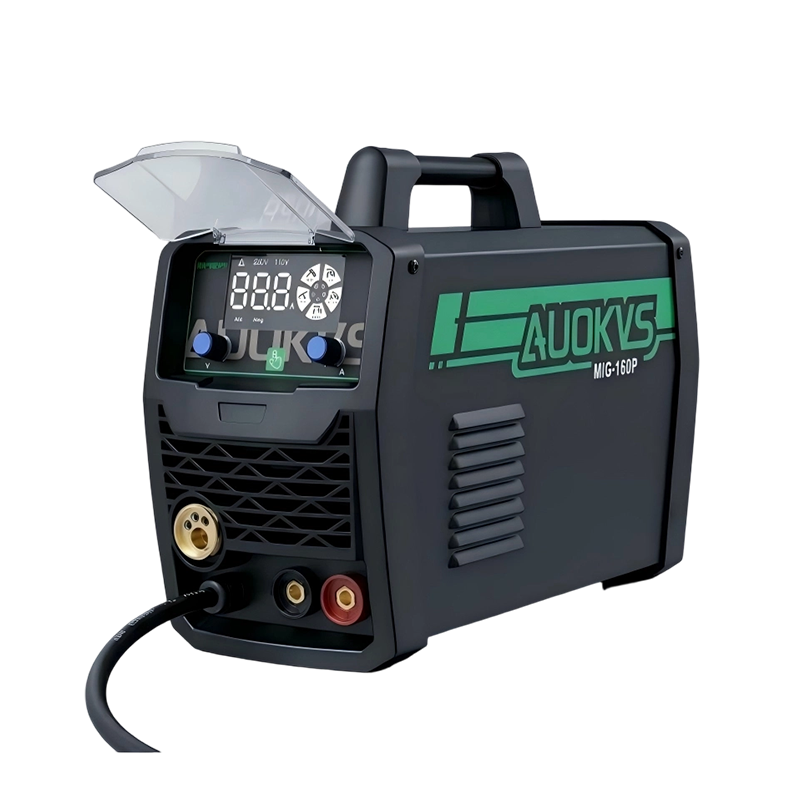
As welding applications continue to evolve across global manufacturing industries, OEM Pulse MIG welders are increasingly positioned as a standard solution rather than a specialized option. Driven by higher quality requirements, diversified materials, and growing demand for process stability, Pulse MIG technology has become a key development focus for welding equipment manufacturers worldwide.
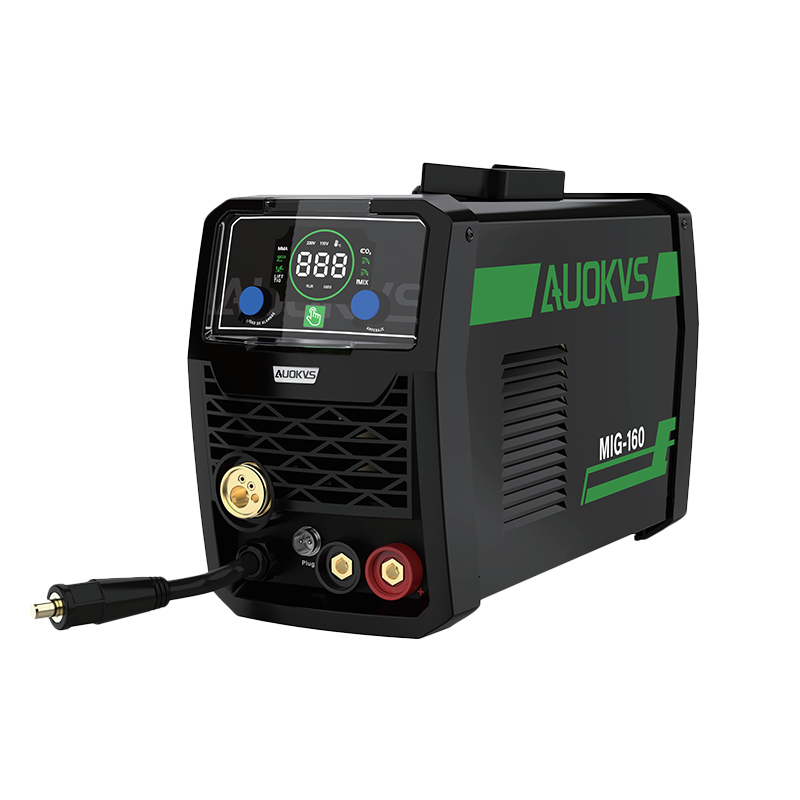
Pulse MIG welding is based on digitally controlled current modulation, alternating between peak current and background current in a precisely managed cycle. This process enables stable droplet transfer while maintaining controlled heat input, resulting in improved arc stability and reduced spatter compared with conventional MIG welding.
From a manufacturing standpoint, Pulse MIG technology offers greater tolerance to parameter variation and operator differences. This makes it especially suitable for thin materials, aluminum alloys, stainless steel, and applications where appearance and consistency are critical.
The growing adoption of OEM Pulse MIG welders is closely linked to structural changes in global manufacturing. As production volumes increase and quality standards become more stringent, manufacturers seek welding solutions that can deliver repeatable results with lower dependency on manual skill.
Key drivers include rising use of lightweight and mixed materials, increased focus on reducing post-weld processing, demand for higher productivity and lower rejection rates, and expansion of semi-automatic and automated welding systems.
Unlike standardized retail products, OEM Pulse MIG welders are typically developed as part of a broader product strategy. From a manufacturer’s perspective, customization is no longer limited to exterior branding; it increasingly involves deeper system-level adaptation, including pulse waveform optimization, hardware platform scaling, firmware customization, and user interface localization.
From the perspective of welding machine manufacturers, Pulse MIG development is not only a software challenge but also a system-level engineering task. Stable Pulse MIG performance depends on coordinated optimization of inverter design, control algorithms, thermal management, and component selection.
OEM Pulse MIG welders are now widely applied in aluminum and stainless steel fabrication, transportation and vehicle component manufacturing, construction and agricultural equipment production, and general industrial fabrication and repair.
As inverter technology and digital control platforms continue to mature, Pulse MIG functionality is expected to become increasingly accessible across broader product ranges. OEM Pulse MIG welders represent a convergence of process control, digital engineering, and scalable production.
 Previous