EN
EN English
 Español
Introduction to Welding Power Sources
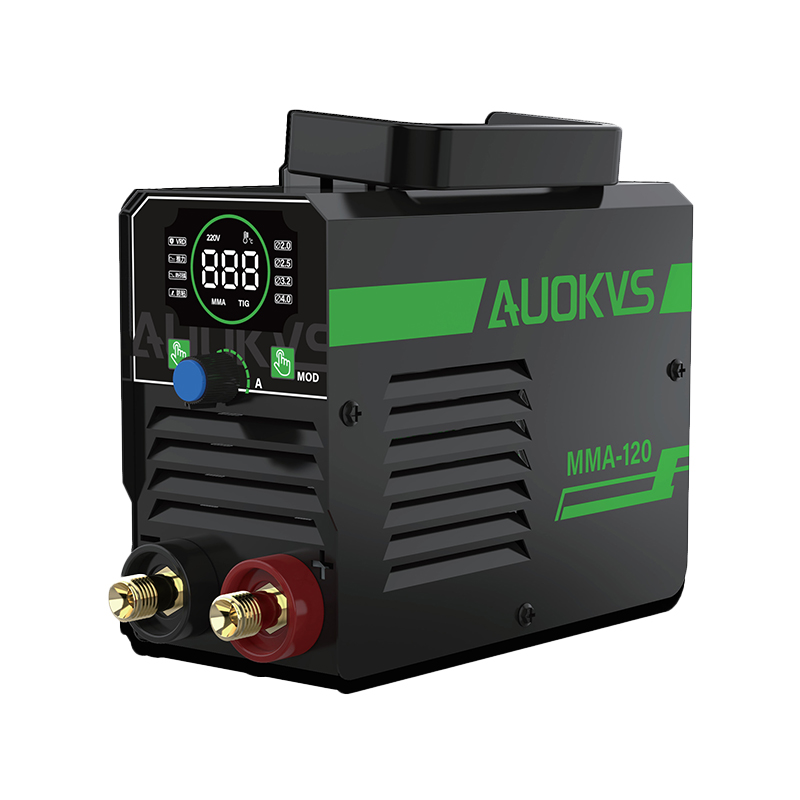
ODM Welding Equipment relies on specialized power sources to generate the electrical energy necessary for creating an arc between the electrode and the workpiece. This arc produces the intense heat required to melt metals and form a solid joint upon cooling. Understanding how welding power sources function and the differences between alternating current (AC) and direct current (DC) welding is crucial for selecting the right equipment and achieving suitable welding results.
How Welding Power Sources Work
Voltage and Current Control: The welding power supply regulates voltage and current to maintain a stable arc. Proper voltage ensures the arc remains consistent, while the current controls the heat input for the welding process.
Conversion of Electrical Power: Depending on the type of power source, the unit may convert input AC from the mains into a regulated DC output for welding. Some advanced units provide both AC and DC options to suit different applications.
Arc Stabilization: Modern ODM Welding Equipment often includes feedback systems that monitor the arc and adjust output in real-time. This prevents arc fluctuations, reduces spatter, and improves weld quality.
Duty Cycle Management: Power sources are rated for specific duty cycles, indicating how long the unit can operate continuously at a given current before overheating. Duty cycle management protects the equipment from damage during heavy use.
Alternating Current (AC) Welding
- Mechanism:
In AC welding, the current periodically reverses direction, switching between positive and negative polarity multiple times per second.
- Advantages:
AC welding is particularly effective for materials with surface oxides, such as aluminum, because the polarity reversal helps break up the oxide layer.
Equipment tends to be simpler and more cost-effective for basic applications.
- Disadvantages:
AC arcs are generally less stable than DC arcs, which can make precise welding more challenging.
Spatter levels are often higher, requiring more post-weld cleanup.
Direct Current (DC) Welding
1. Mechanism: DC welding provides a constant, unidirectional flow of current, with the electrode either positive or negative relative to the workpiece.
2. Advantages:
- DC arcs are more stable, producing smoother and more precise welds.
- Lower spatter rates improve weld appearance and reduce cleanup.
- DC allows for deeper penetration when using straight polarity (electrode negative) or faster melting with reverse polarity (electrode positive).
3. Disadvantages:
- Equipment is generally more complex and may be more expensive than simple AC welders.
- Oxide layers on some metals, such as aluminum, may require additional preparation or AC cleaning action.
Choosing Between AC and DC Welding
- Material Considerations: Aluminum and magnesium often benefit from AC welding due to their oxide layers, while steel, stainless steel, and other ferrous metals are typically easier to weld with DC.
- Application Precision: For detailed work or thinner materials, DC provides better control and reduces defects.
- Equipment Availability: ODM Welding Equipment may offer dual-mode machines that allow switching between AC and DC, providing flexibility for various industrial applications.
Understanding Power for Suitable Welding
The welding power source in ODM Welding Equipment is central to creating a stable arc and high-quality welds. AC welding offers simplicity and cleaning action on oxidized metals, while DC welding provides stability, precision, and lower spatter. Selecting the appropriate current type and understanding the operation of the welding power supply ensures safer, more efficient, and consistent welding performance across a variety of materials and applications. Proper knowledge of these principles allows operators to improve the capabilities of their welding equipment while maintaining high-quality results.
 Previous