EN
EN English
 Español
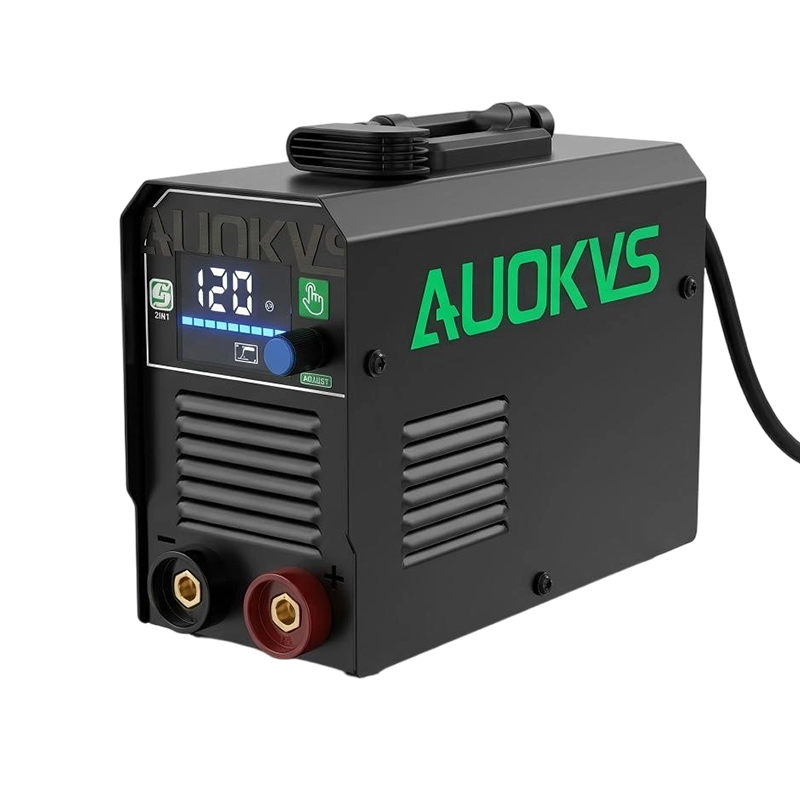
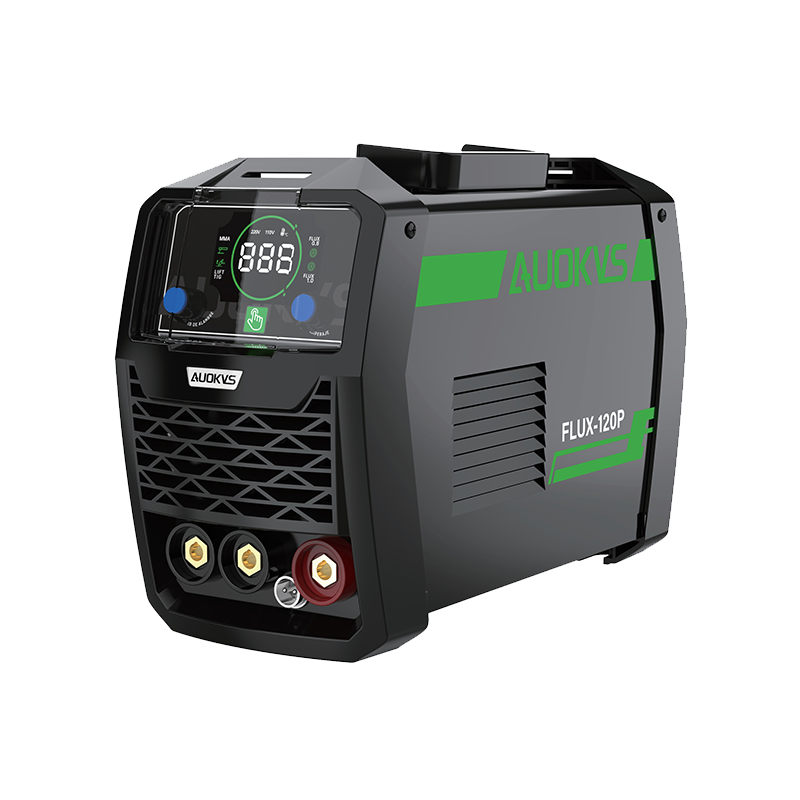
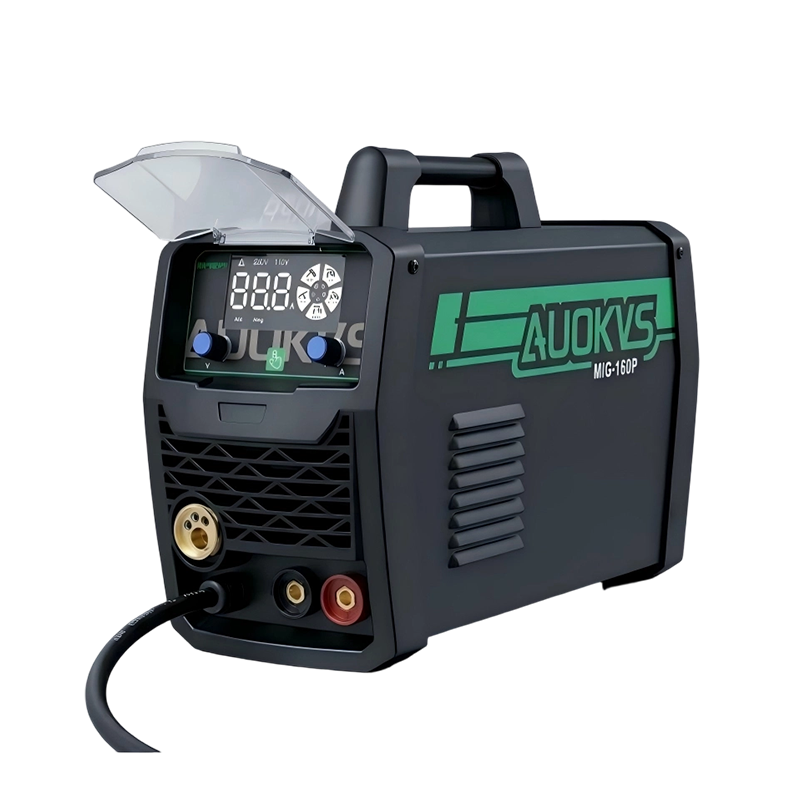
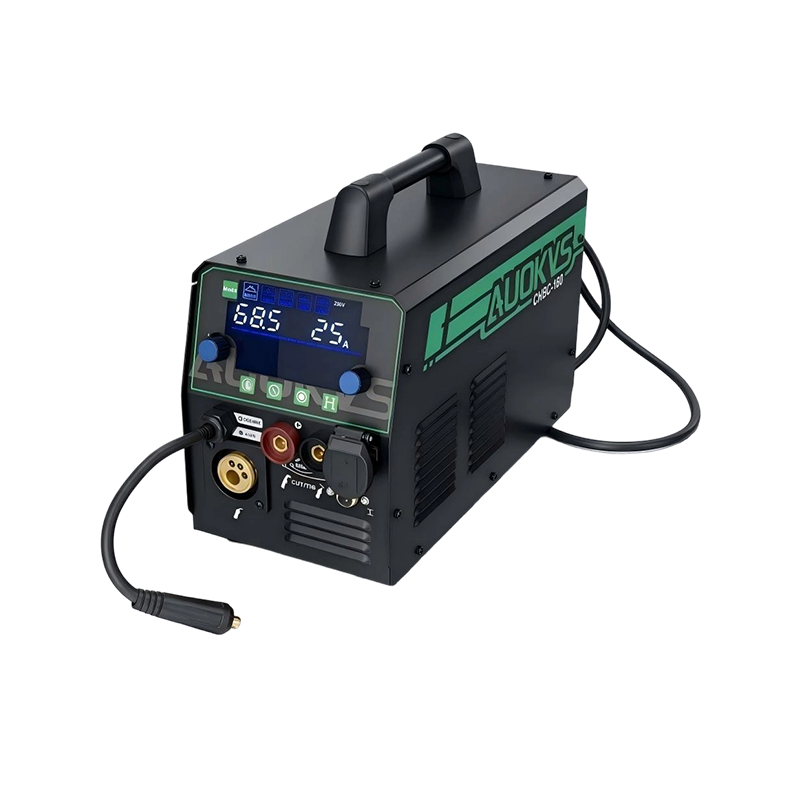
The demand for welding systems that precisely match application-specific requirements has grown significantly. The OEM Custom Voltage Welder represents a tailored approach to welding technology, allowing manufacturers to define voltage characteristics, current control, and operating modes to suit different materials and production environments. Rather than relying on standard, one-size-fits-all welders, companies in automotive, construction, shipbuilding, and energy sectors increasingly turn to customized systems to achieve greater efficiency, durability, and welding precision.
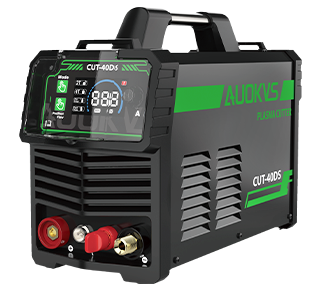
Importance of Voltage Customization in Welding Processes
Voltage regulation is a core factor in determining the stability and penetration of a weld. Different metals and material thicknesses require distinct voltage levels for suitable bonding. A customized voltage welder allows the end user to define precise ranges that fit their unique workflow, ensuring consistent arc performance, better energy control, and reduced heat distortion. For instance, stainless steel may demand a steady low-voltage output to prevent warping, whereas aluminum or structural steel may benefit from higher, pulse-controlled voltage to achieve deeper fusion. The ability to customize these voltage parameters offers flexibility unmatched by standard machines.
Enhancing Energy Efficiency and Thermal Stability
One major advantage of customized voltage design lies in improved energy efficiency. By calibrating voltage output according to material type and working conditions, the system reduces unnecessary power draw, reducing both operational costs and thermal waste. Custom voltage control also contributes to greater thermal stability during extended welding sessions, preventing overheating of components and extending the life of internal circuits. For industries with continuous or automated welding operations, this level of energy optimization is vital for maintaining stable production and ensuring machine longevity.
Integration with Smart Control Systems
A modern OEM Custom Voltage Welder often incorporates advanced digital control systems, such as programmable logic controllers (PLCs), microprocessors, and touch-screen interfaces. These systems allow operators to store multiple voltage settings, switch between welding modes, and monitor performance in real time. Integration with industrial IoT networks enables data logging and predictive maintenance, further enhancing reliability. Through such intelligent design, manufacturers can achieve precise control of arc characteristics, adjust parameters dynamically, and reduce operator intervention, thereby boosting both efficiency and safety.
Adaptability to Different Welding Techniques
Customized voltage control enhances compatibility with various welding techniques, including MIG, TIG, and stick welding. Each technique requires a distinct balance of current and voltage to achieve suitable results. For example, TIG welding benefits from low-voltage precision for thin metals, while MIG welding on thicker materials may require higher voltage levels to maintain consistent arc transfer. The ability to adjust and fine-tune these parameters ensures that one machine can serve multiple production purposes, eliminating the need for separate equipment. This adaptability makes the custom voltage welder ideal for multi-material fabrication workshops or large-scale OEM manufacturing facilities.
Quality and Safety Considerations in Design
Tailoring voltage parameters also contributes directly to weld quality and workplace safety. A precisely regulated power output reduces spatter, reduces smoke emissions, and prevents incomplete fusion or burn-through defects. Additionally, customized safety protocols—such as automatic voltage cutoff or surge protection—can be integrated into the welder’s control system to safeguard operators and prevent equipment failure. By combining electrical design expertise with user-specific safety requirements, manufacturers ensure compliance with industrial safety standards and reliable operation under variable load conditions.
The evolution of welding technology has made customization a defining feature of next-generation equipment. The OEM Custom Voltage Welder exemplifies how adjustable voltage parameters, integrated smart control systems, and user-driven design optimization can change industrial fabrication. By focusing on energy efficiency, precision, and versatility, such systems meet the diverse demands of modern production lines while maintaining good weld quality. As industries continue to pursue automation and efficiency, the ability to tailor welding performance to specific operational needs will remain a critical factor in achieving long-term productivity and reliability.
 Previous