EN
EN English
 Español
The efficiency and reliability of a Low MOQ Plasma Cutter largely depend on its insulation and thermal management design. Plasma cutting generates extremely high temperatures and involves high-voltage electrical arcs, both of which place considerable stress on the machine’s internal components. Inadequate insulation can result in electrical leakage, short circuits, or safety hazards, while poor heat dissipation may cause premature wear of consumables and critical parts. Proper design strategies for insulation and cooling are therefore essential to ensure consistent performance, operator safety, and extended service life of the equipment.
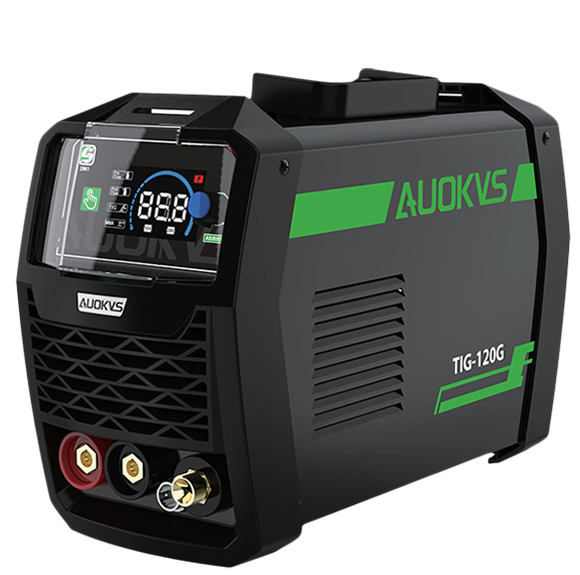
Electrical Insulation Considerations
Electrical insulation in plasma cutters serves to protect both the machine and the operator from high-voltage arcs. In a Low MOQ Plasma Cutter, insulation must be carefully engineered around the power supply, torch connection, and control circuits. High-dielectric strength materials, such as reinforced polymers, ceramic composites, and epoxy resins, are commonly used to isolate live components. The layout of these materials is crucial: areas subjected to repeated mechanical stress or vibration must maintain their insulating properties over time. Proper insulation prevents current leakage, reduces the risk of electrical arcing within the device, and ensures compliance with safety standards for small-scale or entry-level plasma cutting systems.
Thermal Management and Heat Dissipation
Heat generated during plasma cutting can degrade critical components, including the torch, power electronics, and control boards. Low MOQ Plasma Cutters typically employ a combination of passive and active thermal management solutions. Passive approaches include metal heat sinks attached to high-power components to draw heat away from sensitive areas and distribute it evenly. Active cooling often involves forced air circulation using fans or, in higher-end models, water-cooled systems to maintain stable operating temperatures. By maintaining thermal equilibrium, the machine reduces thermal stress on consumables and electronics, reducing the likelihood of failure during prolonged or intensive cutting operations.
Torch Design and Localized Cooling
The torch assembly, being the point of high thermal intensity, receives specialized attention in thermal management. Insulating materials prevent heat from transferring to surrounding components, while internal airflow channels or water jackets remove excess heat from the nozzle and electrode. A well-designed torch ensures that the high-temperature plasma arc remains confined to the cutting zone without damaging the torch body or power connections. In low MOQ designs, simplified yet efficient cooling paths are often incorporated to balance cost-effectiveness with reliable performance.
Integration with Compact and Modular Designs
Low MOQ Plasma Cutters are often designed for small workshops or low-volume production, making compactness and modularity important. Insulation and cooling systems are integrated in ways that decrease the footprint while maintaining efficiency. Modular components allow easy maintenance and replacement without compromising safety or thermal performance. This integration is particularly beneficial for users with limited space, as it ensures that the cutter operates safely under high-load conditions without excessive heat buildup or electrical hazards.
The insulation and thermal management design of a Low MOQ Plasma Cutter plays a critical role in ensuring safety, performance, and longevity. By using high-quality insulating materials, implementing effective heat dissipation mechanisms, and optimizing the torch and modular design, these machines achieve reliable operation even in compact and cost-sensitive formats. Proper attention to insulation and cooling enables small-scale plasma cutters to deliver professional-grade cutting performance while protecting both the operator and the equipment, making them suitable for a wide range of workshop and low-volume production applications.
 Previous