EN
EN English
 Español
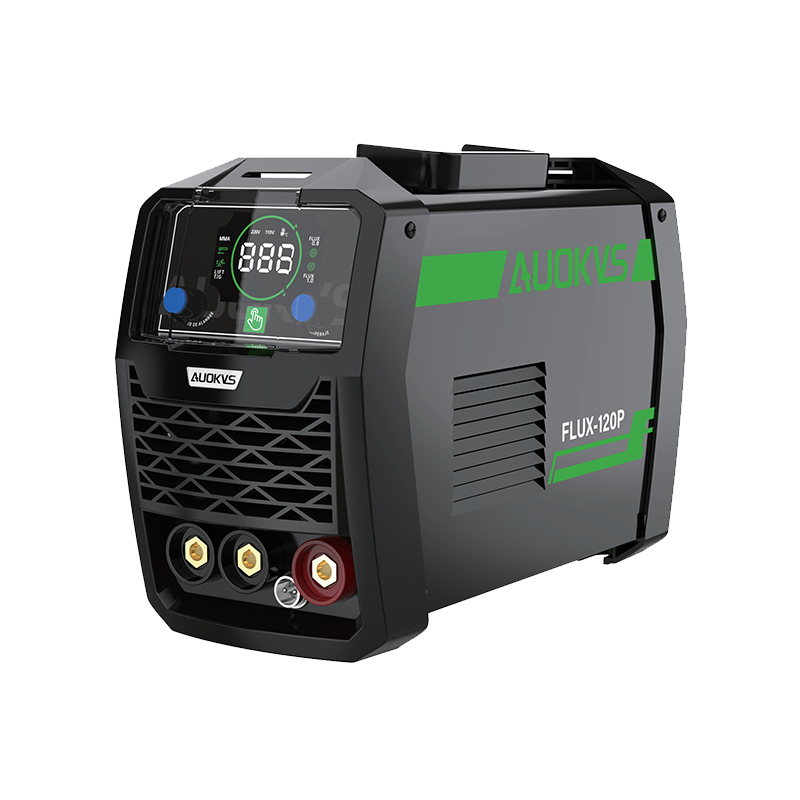
A MIG Welding Machine Factory represents the intersection of precision engineering, advanced automation, and metallurgical science. The factories responsible for producing these machines are not just assembly plants—they are centers of technological innovation where efficiency, reliability, and performance are constantly optimized. In today’s industrial landscape, the demand for high-quality MIG welding machines has expanded beyond heavy manufacturing into sectors like construction, automotive repair, and metal art fabrication. As a result, factories have evolved their processes to deliver versatile, durable, and energy-efficient equipment capable of meeting global standards.
Raw Material Selection and Component Quality
The foundation of any reliable welding machine begins with the selection of high-grade raw materials. Components such as transformers, wire feeders, torches, and control boards must be manufactured from materials capable of withstanding intense heat and continuous operation. Copper windings, for instance, are preferred for their good electrical conductivity, while robust aluminum housings ensure mechanical stability and effective heat dissipation. Factories maintain strict quality inspection protocols at each stage, using both automated and manual checks to prevent component failure. These material and quality controls not only extend the lifespan of the welding machine but also enhance operational safety and user satisfaction.
Precision in Assembly and Calibration
In modern welding equipment production, precision assembly is a crucial determinant of performance. Robotic assembly lines are increasingly used to ensure uniformity in soldering connections, alignment of feed mechanisms, and insulation of electrical systems. Calibration follows as a critical process, during which voltage, wire feed speed, and arc control systems are adjusted to exact specifications. Technicians simulate various welding scenarios to confirm that the machine maintains arc stability under different loads. This careful calibration process guarantees that each unit delivers consistent performance across a wide range of materials and welding conditions.
Environmental Responsibility and Energy Efficiency
Sustainability has become a defining characteristic of modern manufacturing. Factories are increasingly adopting environmentally responsible practices, from using recyclable materials to implementing energy-efficient production systems. The MIG welding machines often feature inverter-based technology, which consumes less power and generates less heat compared to traditional transformer-based systems. This not only reduces carbon emissions but also lowers operational costs for users. Waste management and emissions control within the factory environment further underscore the industry’s shift toward greener manufacturing solutions.
Safety and Reliability in Voltage Customization
Safety remains a crucial consideration in any high-voltage system. Customized welders are designed with enhanced insulation, overload protection, and emergency shutoff circuits to safeguard both the equipment and operators. In addition, built-in sensors continuously monitor temperature and current levels, ensuring safe performance even during prolonged operation. The use of premium-grade components, combined with rigorous quality testing, further ensures that the welder maintains reliable performance across diverse working conditions, from high humidity to extreme temperatures
An OEM Custom Voltage Welder exemplifies the fusion of engineering precision and industrial practicality. Its voltage adaptability, material versatility, and integration with intelligent controls enable good performance under a wide range of conditions. By allowing manufacturers to fine-tune power systems to their exact needs, these customized welders enhance efficiency, reliability, and safety. As manufacturing evolves toward more specialized and automated production, custom voltage welders will continue to play a vital role in achieving good weld quality and energy-efficient operation across global industries.
 Previous