EN
EN English
 Español
Understanding TIG Welding Advantages
Tungsten Inert Gas (TIG) welding is widely recognized for its precision and ability to produce clean, high-quality welds. An OEM TIG Welder Supplier offers advanced TIG welding machines that provide good control over heat input, arc stability, and filler material deposition. One of the key considerations for manufacturers and fabricators is whether TIG welding is suitable for thin sheet materials. This article explores the capabilities, advantages, and limitations of TIG welding in handling thin metals.
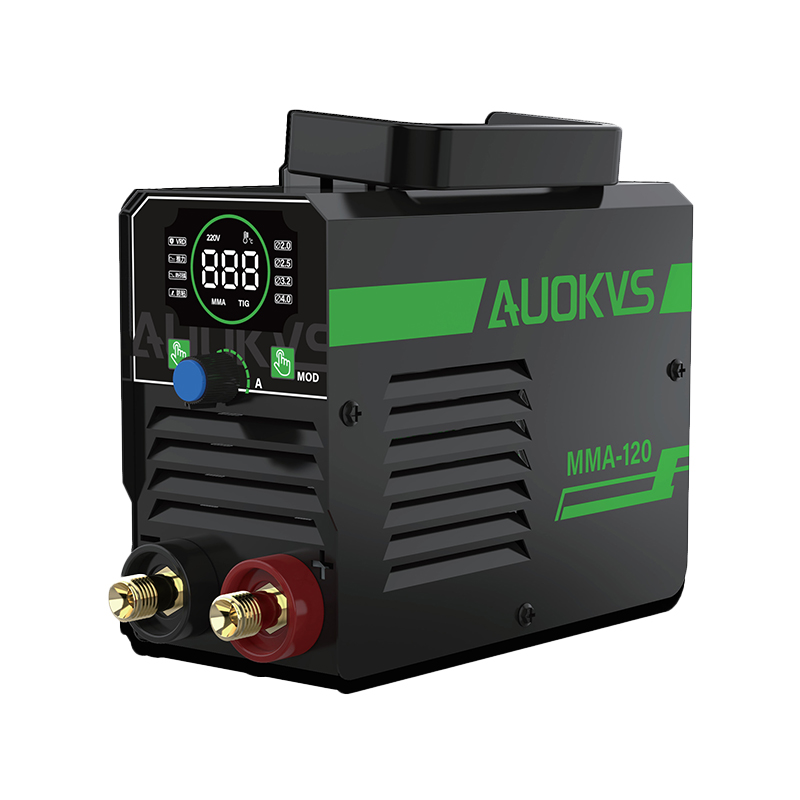
Precise Heat Control for Thin Materials
One of the main reasons TIG welding is ideal for thin materials is its precise heat control. OEM TIG Welder Supplier machines often feature adjustable amperage settings, pulsed current options, and high-frequency arc initiation. This allows operators to deliver just enough heat to fuse the metals without causing warping or burn-through. Thin sheets, particularly those under 3mm, require careful management of heat input to avoid distortion, and TIG welding excels in this regard compared to other welding methods like MIG or stick welding.
High-Quality Weld Appearance
TIG welding provides good weld aesthetics, which is particularly important when working with thin materials that are often visible in final products. The controlled arc reduces spatter, produces smooth weld beads, and allows for precise filler metal placement. OEM TIG Welder Supplier machines often include features such as pulse welding, which helps maintain consistent penetration and bead shape on thin materials. This results in professional-looking welds suitable for applications in automotive panels, kitchen appliances, or decorative metalwork.
Material Versatility and Thin Sheet Applications
OEM TIG Welder Supplier machines are capable of welding a variety of thin metals, including stainless steel, aluminum, copper, and titanium. Aluminum and stainless steel sheets, in particular, benefit from the TIG process due to the method’s precise heat management and inert gas protection, which prevents oxidation and ensures strong welds. The ability to adapt to different thin materials makes TIG welding a versatile choice for projects requiring high-quality results and minimal material distortion.
Operator Skill and Setup Considerations
While TIG welding is highly effective for thin materials, it requires skilled operators. Thin sheets are sensitive to overheating, and controlling travel speed, torch angle, and filler material input is critical. OEM TIG Welder Supplier machines provide the technology to support precision welding, but operator expertise is necessary to improve the benefits. Proper machine setup, gas flow adjustment, and selection of tungsten electrode type are essential for achieving consistent, high-quality welds on thin metal sheets.
Limitations and Practical Considerations
Despite its advantages, TIG welding has some limitations for thin materials. The process is generally slower than MIG welding, which can affect production efficiency in high-volume operations. Additionally, TIG welding requires a clean surface and careful preparation, as contamination can cause weak or inconsistent welds. These factors should be considered when deciding whether to use TIG welding for thin sheet applications, particularly in industrial or manufacturing environments where speed and efficiency are critical.
Suitable Choice for Precision Thin Metal Welding
An OEM TIG Welder Supplier provides machines that are highly suitable for welding thin sheet materials. The precise heat control, high-quality weld appearance, and versatility across metals make TIG welding a good choice for delicate or visible components. However, operator skill and careful preparation are necessary to fully leverage these benefits. For projects that prioritize weld quality, distortion, and professional finish, TIG welding from a reputable OEM supplier remains a good solution for thin material applications.
 Previous