EN
EN English
 Español
Custom Welding Machine do a lot of the heavy lifting in shops where standard equipment just doesn't quite fit the job. They get built around the actual parts that need joining, the materials being used, and the way the finished piece will eventually work in the final product. On the factory floor or in smaller workshops, these machines help keep things running smoothly when job requirements keep changing from one batch to the next.
The whole idea of adaptation starts early. Teams sit down with the part drawings, look at the materials, and think about how many pieces will be needed. From there they decide what kind of power, movement, and holding system will make the most sense. The goal is simple: build a machine that works with the job instead of fighting against it.
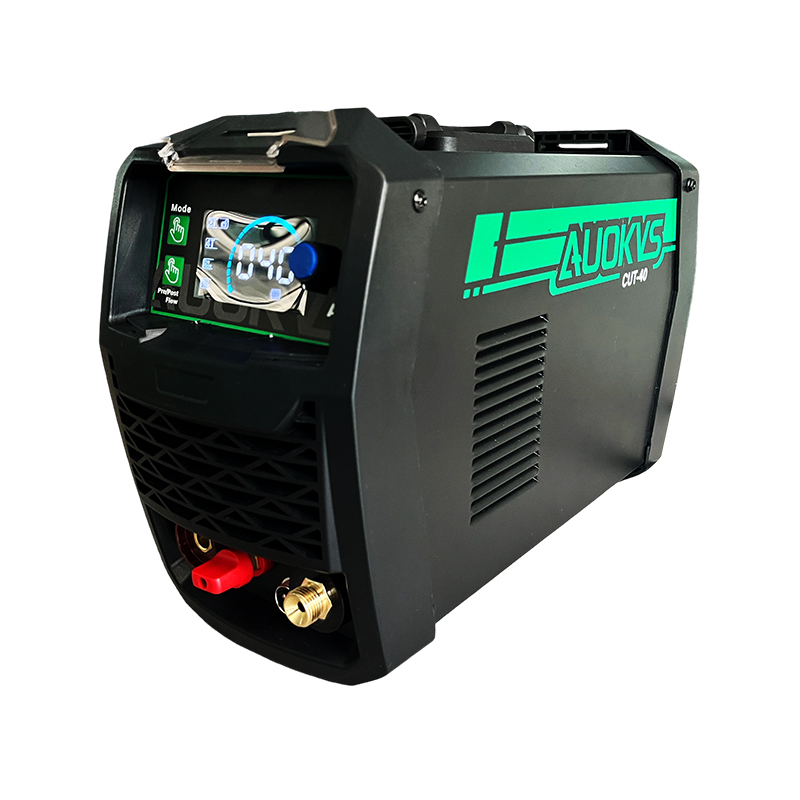
Basic Structure and Components of a Custom Welding Machine
A Custom Welding Machine is made up of several key pieces that have to work together every cycle.
- The power source delivers the energy needed to make the weld.
- The control system decides when and how much power to use.
- The welding head holds the torch or electrode and moves it along the joint.
- Motion systems shift either the head or the workpiece into position.
These parts connect through one central unit that keeps everything coordinated. In some setups the part sits still while the head travels along the seam. In others the workpiece rotates or slides while the head stays put. The heavy frame underneath holds it all steady so nothing shifts during welding. Fixtures lock the pieces in place so the joint lines up properly and gaps stay even. Ventilation and shielding around the weld area help manage smoke and spatter.
Types of Welding Processes Supported by Custom Machines
Many Custom Welding Machines can handle more than one joining method without major changes. Arc welding is common because it works on different thicknesses and materials. Resistance welding is useful when fast, localized heat is needed without adding filler metal. Some machines even let operators switch between processes or run them in sequence on the same part.
The design leaves room for these switches. Torch holders or electrode mounts can be swapped out fairly easily. Gas lines and shielding setups adjust to match. The control system keeps separate groups of settings for each process, so changing from one to another takes only a few moments at the screen.
This means one machine can weld thin sheet parts in the morning and move to heavier structural pieces in the afternoon without moving the work to another station.
Adaptation Through Control Systems and Programming
The control system is where a lot of the flexibility comes from. Operators put in numbers for current, voltage, travel speed, and how long the weld should stay in one spot. These values change depending on the thickness of the material, how the joint is prepared, and what kind of weld is needed.
Most systems can store several different programs. One program might be set up for simple fillet welds on regular steel. Another could handle butt joints on stainless. Switching between them at the control panel is quick. During initial test runs, small adjustments are usually made until the settings match the real parts in front of the machine.
Programming also covers the full order of operations. The machine can stop for loading, move to the starting point, run the weld, and then return to a safe spot. Any cleaning or checking steps that happen before or after the weld can be added to the same sequence.
Material Handling and Fixturing Adjustments
How the parts are held in place makes a big difference in weld quality. Custom machines use fixtures built specifically for the shape of the workpiece.
Clamps and locators keep everything lined up so gaps stay consistent.
- Adjustable pads help with odd-shaped surfaces.
- Strong supports stop heavier pieces from sagging when heat is applied.
- Gentler pressure prevents thin sheets from bending or distorting.
Some fixtures include simple checks that make sure the part is sitting correctly before welding starts. Positioning devices such as tilt tables or rotary units can turn the workpiece so the weld stays in a flat or horizontal position whenever possible. This makes the job easier and more stable.
Motion and Positioning Capabilities
Motion systems control where the weld actually happens and how smoothly the torch moves. Linear tracks carry the head along straight seams. Rotary tables spin round parts under a fixed torch. Multi-axis arms reach into tight corners or around complicated shapes.
The design matches the movement range to the actual job. Machines built for long beams often have extended tracks. Machines for small precision parts use compact arms with finer control. Speed can be adjusted so the travel rate matches the amount of heat needed for each material and thickness.
| Motion Type | Typical Use Case | Main Advantage |
|---|---|---|
| Linear Track | Straight seams on long parts | Smooth, consistent travel |
| Rotary Table | Round or cylindrical workpieces | Easy access to circular joints |
| Multi-Axis Arm | Complex shapes and tight spaces | High flexibility and reach |
The control system keeps motion and power working together. As the head goes around curves or corners, the settings shift slightly to keep the weld conditions steady throughout.
Real-Time Monitoring and Parameter Adjustment
Sensors near the weld zone keep an eye on things while the process is running. They can pick up changes in arc length, joint gap, or surface temperature. The information goes back to the control system for review.
Sometimes the machine makes small automatic corrections on its own. If a gap opens up a little, it might slow the travel speed or change the current to maintain good penetration. Operators can also watch the display and make manual adjustments when they see something that needs attention.
This monitoring is especially helpful when parts vary slightly from batch to batch. Small differences in fit-up or material behavior become easier to handle without stopping the whole line.
Here is a simple list of common adaptation features in Custom Welding Machines:
- Control programs that save settings for different materials and joint types
- Fixtures with adjustable locators and quick-change parts
- Motion systems that support straight-line, rotary, or multi-axis movement
- Sensors that give feedback during the actual welding cycle
- Modular mounts that allow different torch or electrode holders
These pieces work together so the machine can respond to whatever the next job throws at it.
Integration with Production Environments
Custom Welding Machines need to fit comfortably into the daily life of a shop. Some setups work best as standalone stations, especially for repair work or smaller batches. Others slide right into automated lines where parts come in on conveyors, get welded, and move on to the next step without much fuss.
Safety features are always part of the picture. Enclosures, light curtains, or simple access doors keep operators protected while still allowing easy loading and unloading. The size of the machine is planned around the available floor space and room needed for maintenance. In many shops the machine shares power or basic control connections with nearby equipment. This helps the whole workflow stay smooth when job requirements shift during the day.
Challenges in Adapting to Specific Job Requirements
Every new job seems to bring its own set of headaches. Joints may not line up perfectly. Material thickness can vary from piece to piece. Tight spaces around the part often limit torch angles or make fixture design tricky.
Heat is another common troublemaker. When it spreads unevenly, thin sections next to thicker ones can pull and warp as they cool. Custom machines try to manage this through careful heat control, changing the order of welds, or adding temporary supports in the fixture.
Repeatability gets harder with very small or very large parts. Tiny components need extremely precise positioning. Big structural pieces demand long reach without losing accuracy. In practice, most shops run a few trial welds and make gradual adjustments to settings or fixtures until the results settle down.
Practical Evaluation and Setup for New Jobs
Getting a new job ready usually follows a few practical steps.
- Start by reviewing the part drawings and material specifications carefully.
- Note the joint type, thickness range, and any special requirements for the finished weld.
- Consider the available space in the shop and what support equipment already exists.
- Mount the right torch or electrode holder and install the custom fixture.
- Run short test welds on sample pieces to see what actually happens.
- Check travel speed, current levels, and look for any uneven heating or distortion.
Based on what the tests show, small changes are made — perhaps tweaking a program value or shifting the fixture position slightly. Once the samples look consistent and meet expectations, the machine can move into regular production. Occasional checks during the run help keep things on track.
Keeping simple records of the settings that worked well for each job saves a lot of time later when similar work comes back.
Longer-Term Flexibility and Maintenance Considerations
Keeping a Custom Welding Machine flexible over time takes some attention. Modular parts help a lot. Interchangeable heads or extra motion axes can be added later when job needs change. Software updates sometimes allow new parameter profiles without touching the hardware.
Routine maintenance matters more than most people realize. Regular cleaning of contact tips, checking cables for wear, and inspecting motion systems prevent small issues from turning into bigger problems. Shops that keep notes on successful settings for different jobs find it much easier to return to previous work or handle new tasks that look similar.
Over months and years the machine gradually builds up its own library of programs and fixture designs. This collection becomes one of its most valuable assets when production demands keep shifting.
Custom Welding Machines continue to adjust to the changing realities of manufacturing. Their mix of mechanical design, smart controls, and practical setup allows them to handle everything from simple straight seams to more complicated multi-pass work. The configuration always follows the real needs of the job rather than forcing the job to compromise.
Many manufacturers rely on experienced partners during the early planning stages. For example, input from companies such as ChuangLi Electronic Technology Co., Ltd. often helps connect machine features with actual production goals before final decisions are made.
The balance of power control, motion range, material handling, and real-time feedback is what gives these machines the ability to meet varied job demands while delivering steady results across different production settings.
 Previous