EN
EN English
 Español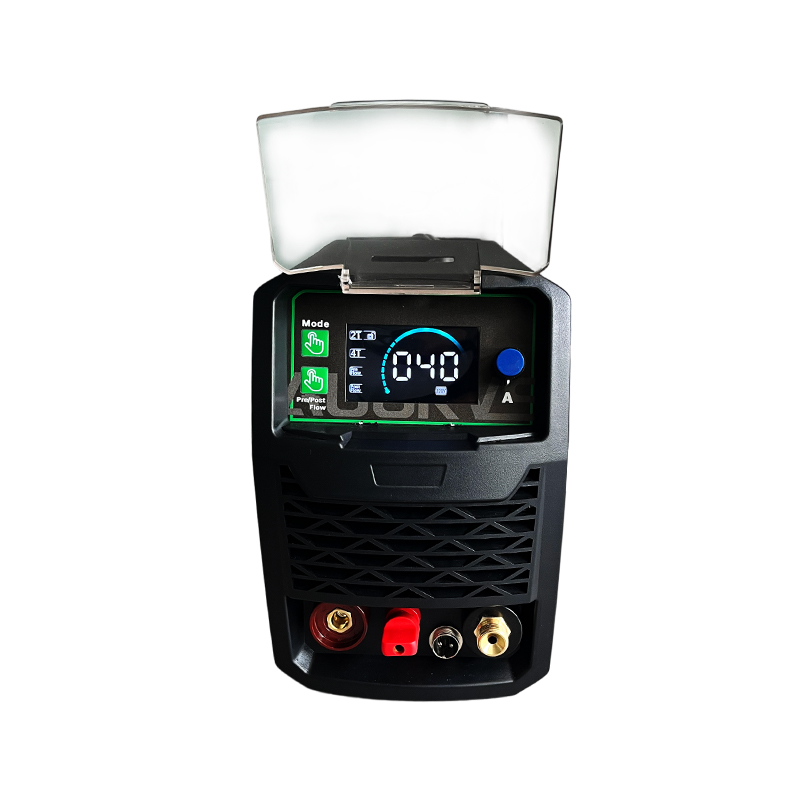
Welding equipment used in small workshops usually does not sit in the background as a fixed system. It moves, adapts, and gets used in different corners of the workspace depending on the task of the day. In this kind of environment, a compact and steady machine often becomes part of the daily routine rather than a specialized station.
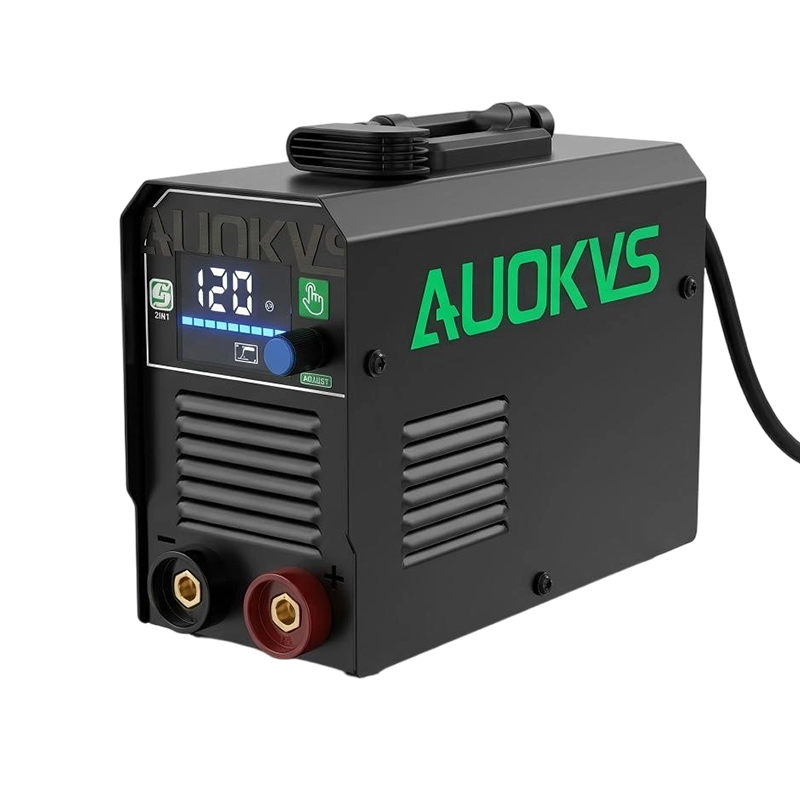
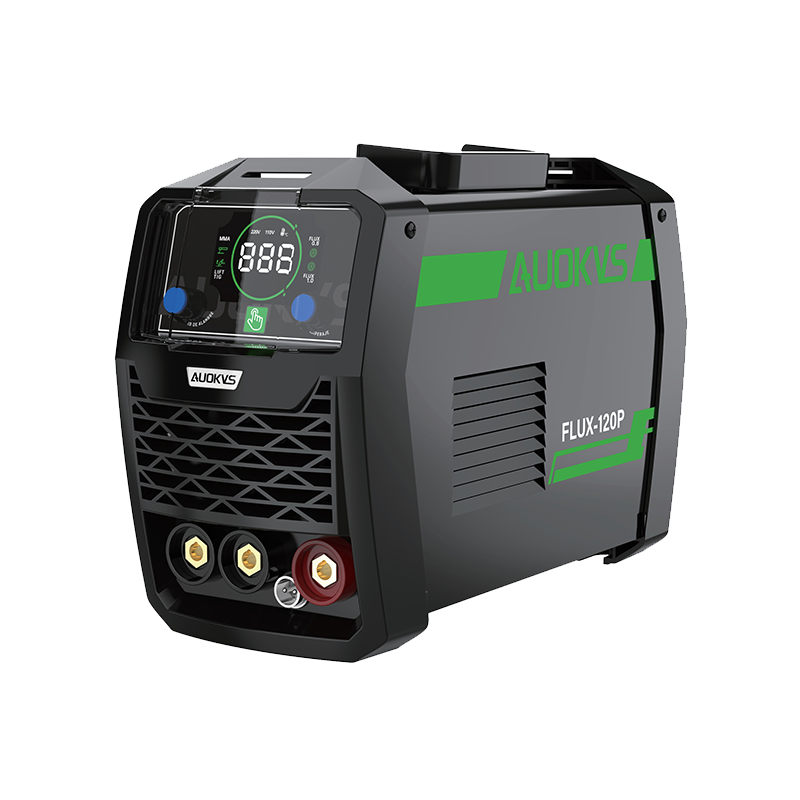
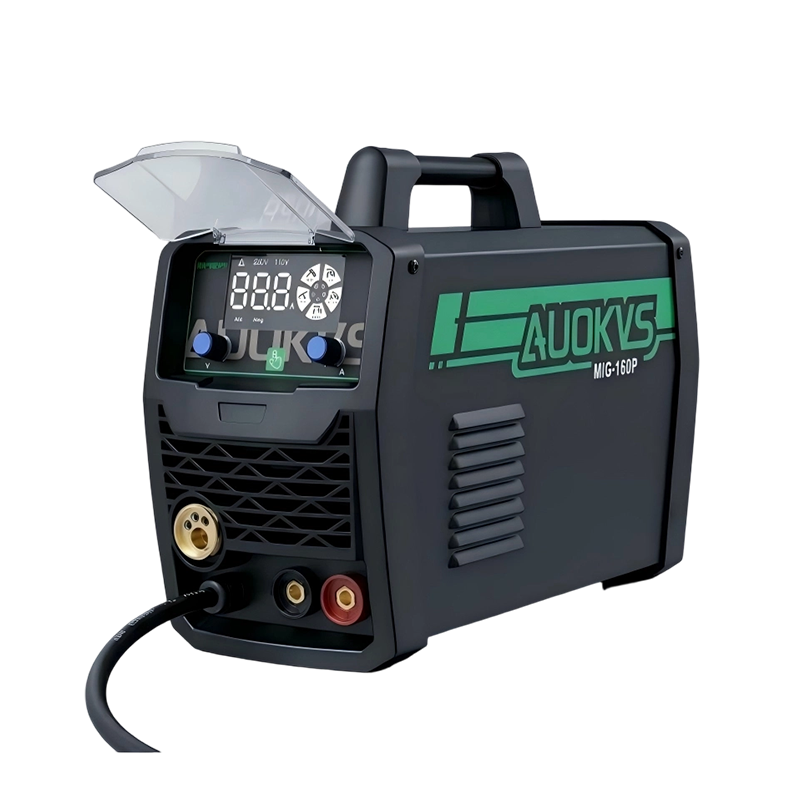
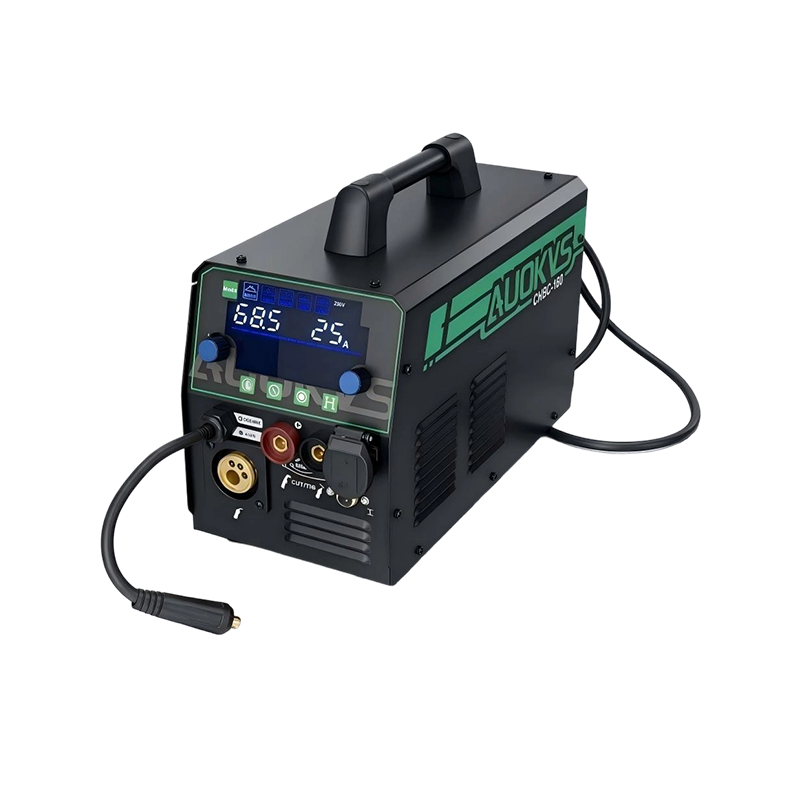
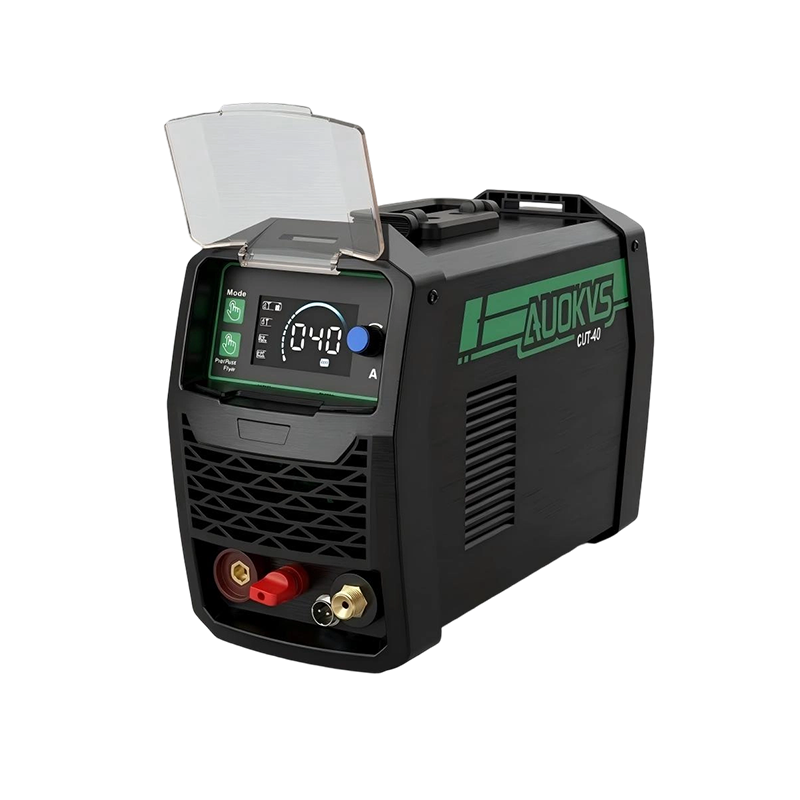
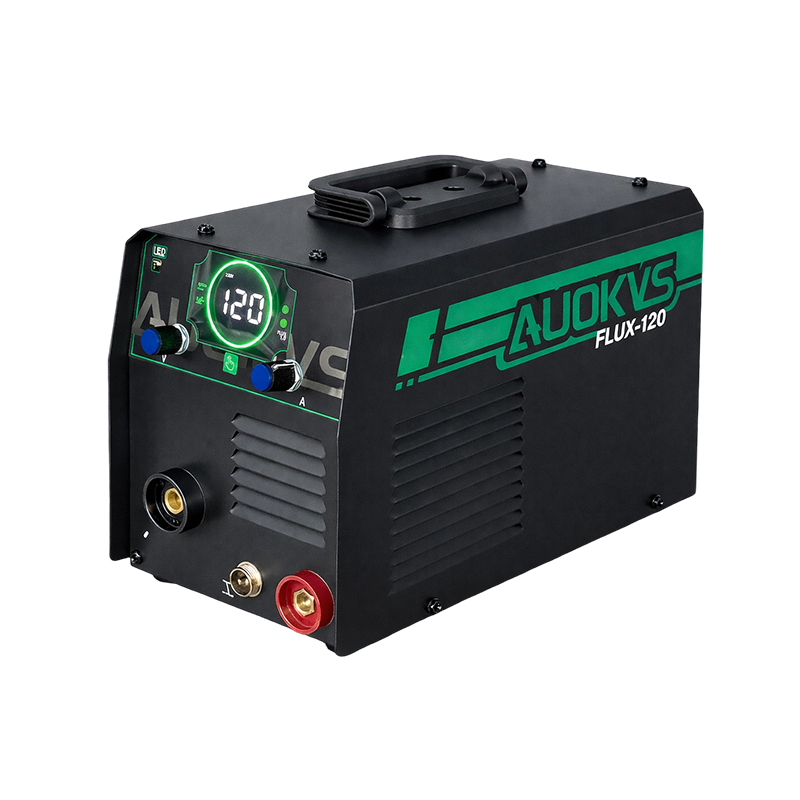
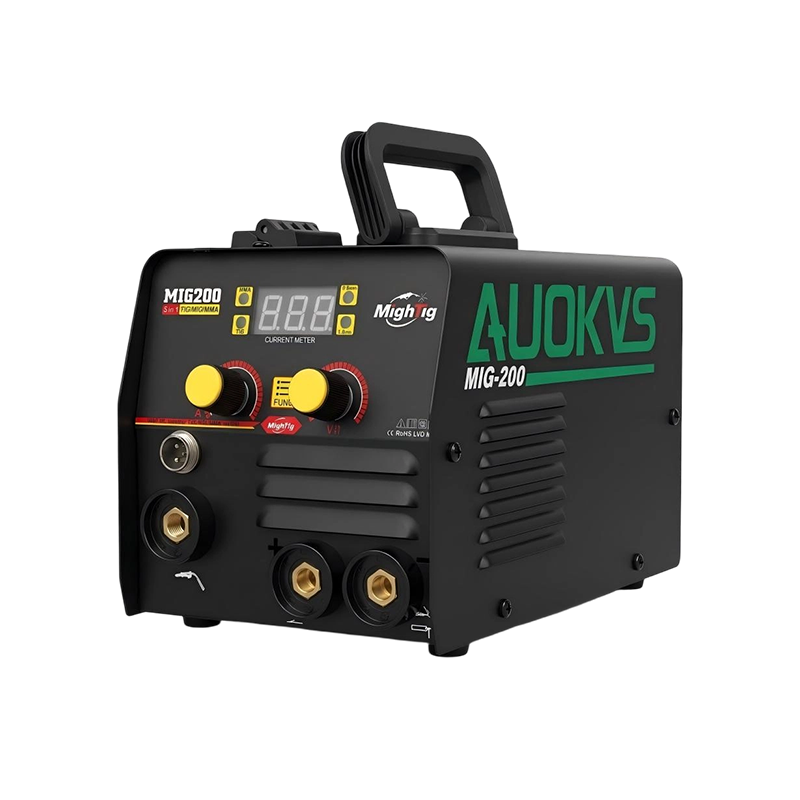
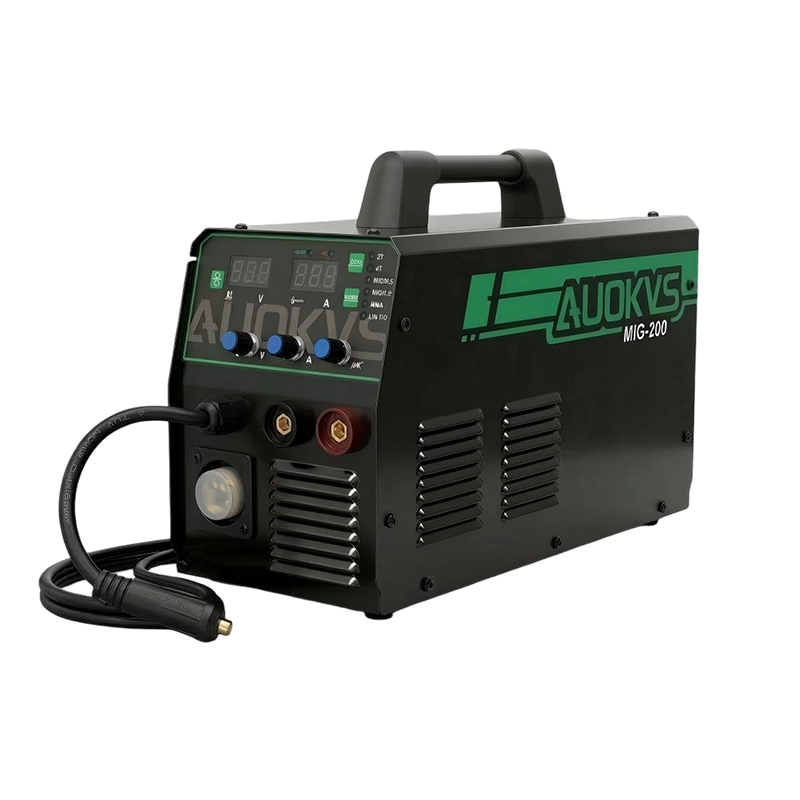
The OEM Light Industrial Welder is one of those systems that tends to appear in places where work is varied but space is limited. Its role is less about scale and more about keeping everyday fabrication tasks moving without interruption.
ChuangLi Electronic Technology Co., Ltd. is occasionally mentioned in industrial equipment discussions where workshop-focused design approaches are involved, especially when adaptability is part of the equipment requirement.
Workshop Reality and Welding Usage
Small fabrication spaces rarely follow a fixed production rhythm. One hour may involve joining thin metal pieces, and the next may shift to repairing worn components or adjusting small structural parts. The equipment used in these spaces has to follow that rhythm rather than define it.
In practice, the OEM Light Industrial Welder is often treated as a general tool rather than a dedicated system for one type of job. It is not unusual to see it used repeatedly throughout the day for short tasks that come and go.
What defines these environments is not complexity, but variation:
- Workpieces change frequently
- Tasks are short and repeated
- Space is shared with other tools
Equipment is expected to stay ready without long setup steps
In such conditions, consistency matters more than raw capacity.
General Structure and Design Approach
Instead of focusing on heavy industrial output, the OEM Light Industrial Welder is usually built around controlled operation and flexible use. It is designed to sit comfortably in environments where equipment may be used by different operators throughout the day.
One practical aspect often associated with this type of system is OEM Custom Voltage Welder configuration. This allows the machine to work across different electrical conditions, which is important in workshops where power supply is not always uniform.
From a practical standpoint, the design tends to follow a few simple ideas:
- Keep the unit compact enough for limited space
- Allow basic adjustment without complex controls
- Maintain stable output during repeated use
- Support different electrical conditions without disruption
These are not design features that stand out individually, but together they shape how the machine fits into everyday workshop routines.
Voltage Conditions in Real Use
Electrical conditions in small workshops are rarely identical from one place to another. Some workshops operate in relatively stable environments, while others may share power lines across multiple machines or rely on older electrical systems.
This is where OEM Custom Voltage Welder configurations become relevant. Instead of forcing the workshop to adjust its infrastructure, the welding system adjusts its input behavior to match what is available.
In real use, this can be observed in a simple way:
| Working Environment | Electrical Behavior | Welding Response |
|---|---|---|
| Stable setup | Consistent supply | Smooth and predictable arc |
| Shared load | Slight fluctuation | Controlled adjustment |
| Older wiring | Irregular flow | Stabilized output response |
Daily Operation in Fabrication Work
Most welding work in small workshops is repetitive and practical. There is usually no long production line or fixed sequence that stays the same every day. Instead, tasks appear based on need, and equipment is used accordingly.
The OEM Light Industrial Welder typically follows this rhythm. It may be used for a short repair, then moved to a different station for joining parts, and later brought back for another adjustment task.
Common patterns include:
- Short welding cycles repeated throughout the day
- Simple assembly and repair work
- Frequent switching between materials
- Continuous readiness without long downtime
What matters in this pattern is not speed or intensity, but how smoothly the machine transitions between tasks.
Position in Workshop Layout
In small workshops, space is always shared. Welding machines are rarely placed in isolation. They often sit near cutting tools, assembly tables, or storage areas, depending on how the workflow is arranged.
The OEM Light Industrial Welder tends to function as a shared unit rather than a fixed station. It can be used wherever needed without requiring a dedicated setup area.
In practical terms, this means:
- It moves between work zones as tasks change
- It does not require complex repositioning
- It fits into mixed-use environments
- It supports different operators during the same working cycle
The flexibility here is not technical complexity, but simple usability in limited space.
Output Behavior During Repeated Use
Welding quality in small workshop work is often judged by consistency rather than appearance. When the same machine is used repeatedly across different tasks, stability becomes noticeable over time.
The OEM Light Industrial Welder is generally used in a way where output needs to remain steady across repeated cycles. It is not about producing dramatic changes, but about avoiding unnecessary variation during operation.
In daily use, this shows as:
- Arc behavior that remains predictable during repetition
- Heat distribution that does not shift unexpectedly
- Welding points that stay relatively uniform across tasks
- Fewer interruptions during continuous work periods
This kind of behavior is important in environments where work is already divided into many small steps.
Material Handling in Practical Settings
Small workshops rarely work with only one type of material. Different tasks may involve different thickness levels or surface conditions within the same day.
The OEM Light Industrial Welder is usually applied across these variations without requiring major adjustments. It is not specialized for one material category, but instead used as a general-purpose tool.
Typical usage includes:
- Thin metal joining work
- Medium repair tasks
- Light structural adjustments
- General fabrication support
The flexibility comes from how operators adjust usage rather than changing equipment.
Work Rhythm and Task Flow
Work in small fabrication environments is often broken into short cycles. Machines are started, used, paused, and then returned to again for another task. This creates a rhythm that is different from continuous industrial production.
The OEM Light Industrial Welder fits into this pattern because it does not require long preparation between uses. It can return to operation quickly, which helps maintain workflow continuity.
In practice, this supports:
- Frequent task switching
- Short operation cycles
- Flexible movement between workstations
- Continuous use throughout working hours
The overall flow is shaped more by the workshop than by the machine itself, but the machine still needs to adapt to it.
Multi-Task Environment in Small Workshops
Work in small fabrication spaces rarely follows a single direction. A welding machine might be used for repair work in the morning, then shifted to assembly tasks later, and later still used for minor adjustments. This constant change is not planned in advance but happens as work demands appear.
The OEM Light Industrial Welder is often placed into this kind of environment without being assigned to one fixed function. It becomes part of a shared workflow where different tasks overlap throughout the day.
What makes this environment different is not the complexity of each job, but the frequency of change:
- Tasks move quickly from one stage to another
- Equipment is shared between operators
- Setup time is kept minimal
- Workflow depends on flexibility rather than structure
In this setting, welding equipment is expected to follow the rhythm of the workshop instead of defining it.
Behavior Under Continuous Interruption
Unlike large production lines, small workshops are full of interruptions. A welding task may start, pause, and resume several times depending on material readiness or operator availability.
The OEM Light Industrial Welder is often used in this interrupted rhythm. Instead of requiring long recalibration after each pause, it is generally returned to operation with minimal adjustment.
This kind of working behavior is important in environments where:
- Materials are prepared gradually
- Multiple tasks overlap in the same space
- Operators rotate between different stations
- Work does not follow a fixed sequence
In practice, the machine needs to remain responsive even when usage is not continuous.
Role of OEM Custom Voltage Welder in Changing Conditions
Electrical variation is one of the less visible but constant factors in workshop environments. Machines may share circuits, or older buildings may distribute power unevenly across different work areas.
The OEM Custom Voltage Welder configuration is used in such environments to reduce sensitivity to these changes. It does not eliminate variation, but helps the system remain stable when input conditions shift.
In real workshop behavior, this often appears in subtle ways:
- Output remains steady even when other machines are running
- Welding response adjusts without manual correction
- Arc behavior stays predictable under fluctuating supply
- Work continues without noticeable interruption
This type of adaptability is particularly relevant in workshops where multiple tools operate at the same time.
Interaction with Operators and Work Habits
In small workshops, welding machines are not always operated by a single trained specialist. Different workers may use the same equipment throughout the day, depending on task assignment.
Because of this, the OEM Light Industrial Welder is often used in a way that relies on straightforward operation rather than complex control systems. The focus is on repeatable behavior that does not require constant adjustment.
Typical usage patterns include:
- Quick start for short welding tasks
- Basic adjustment based on material type
- Reuse across different operators
- Minimal interruption during task switching
Over time, the machine becomes part of the working habit rather than a separate technical tool.
Maintenance Rhythm in Daily Workshop Use
Maintenance in small workshops is usually informal and tied closely to usage patterns. Instead of scheduled industrial servicing cycles, attention is given when performance changes are noticed during work.
The OEM Light Industrial Welder typically follows a maintenance rhythm shaped by daily use:
- Cleaning after extended operation
- Visual inspection of connectors and cables
- Checking output consistency during use
- Basic handling of wear-related components
This approach is not structured in a strict sense, but it fits the flexible nature of small workshop environments.
Long-Term Use Behavior
Over time, welding equipment in small workshops tends to show its behavior through repetition rather than specification. Operators become familiar with how the machine responds under different conditions.
The OEM Light Industrial Welder is often evaluated based on:
- How consistently it behaves across repeated tasks
- How easily it returns to operation after pauses
- How it responds to different materials over time
- How it integrates into evolving workshop routines
Instead of changing the workflow, it usually adapts to it gradually.
Comparison of Workshop Welding Conditions
Different workshops may use similar equipment, but the working environment can vary significantly. The following table shows general differences in how welding systems behave under different workshop conditions:
- Workshop TypeWork PatternElectrical ConditionEquipment Behavior
- Compact repair spaceFrequent short tasksModerate variationStable response with minor adjustment
- Mixed fabrication areaContinuous task switchingShared load environmentAdaptive output behavior
- Older workshop setupIrregular workflowLess stable supplyCompensated voltage response
- Multi-station workspaceParallel operationsFluctuating demandBalanced arc stability
These differences show how the same type of welding system can behave differently depending on the environment it is placed in.
Role in Mixed Material Processing
In real workshop conditions, material variation is unavoidable. A single working day may involve thin sheet metal, thicker structural pieces, and small repair components.
The OEM Light Industrial Welder is generally used across these variations without being restricted to one material category. Operators adjust their approach depending on the task, while the machine maintains a consistent operating base.
Common application patterns include:
- Light fabrication work involving thin materials
- Repair tasks on worn or damaged structures
- Adjustment of small mechanical components
- General assembly support work
The flexibility comes more from operator handling than from switching equipment.
Workflow Continuity and Task Transitions
One of the less obvious aspects of small workshop work is how often tasks change direction. A welding station may be used briefly, then left idle, then returned to again within a short time.
The OEM Light Industrial Welder is often used in this stop-and-go rhythm. Its ability to return to operation without long preparation helps keep workflow moving even when tasks are fragmented.
This supports:
- Quick transition between welding tasks
- Reduced waiting time between operations
- Continuous movement of workpieces
- Flexible scheduling of small jobs
The workflow is shaped by demand rather than structure, and the equipment follows this pattern.
When welding systems become part of small workshop environments, their role gradually blends into daily operations. They are not treated as isolated machines but as part of a shared system of tools.
The OEM Light Industrial Welder typically becomes integrated in this way:
- Positioned near general work areas
- Used across different operators and tasks
- Adapted to changing workflow conditions
- Supported by simple operational habits
Over time, its function is defined more by use patterns than by initial setup.
In small fabrication environments, equipment does not operate in isolation. It follows the pace of the workshop, adapts to interruptions, and supports a wide range of simple but repeated tasks.
The presence of OEM Light Industrial Welder systems reflects this type of working environment, where flexibility and steady response are more relevant than specialized configuration. Combined with OEM Custom Voltage Welder adaptability, it fits into conditions where electrical stability and task variation coexist in daily work.
Within this type of environment, welding equipment becomes part of the background structure of work, supporting continuous movement rather than defining it.
 Previous