EN
EN English
 Español
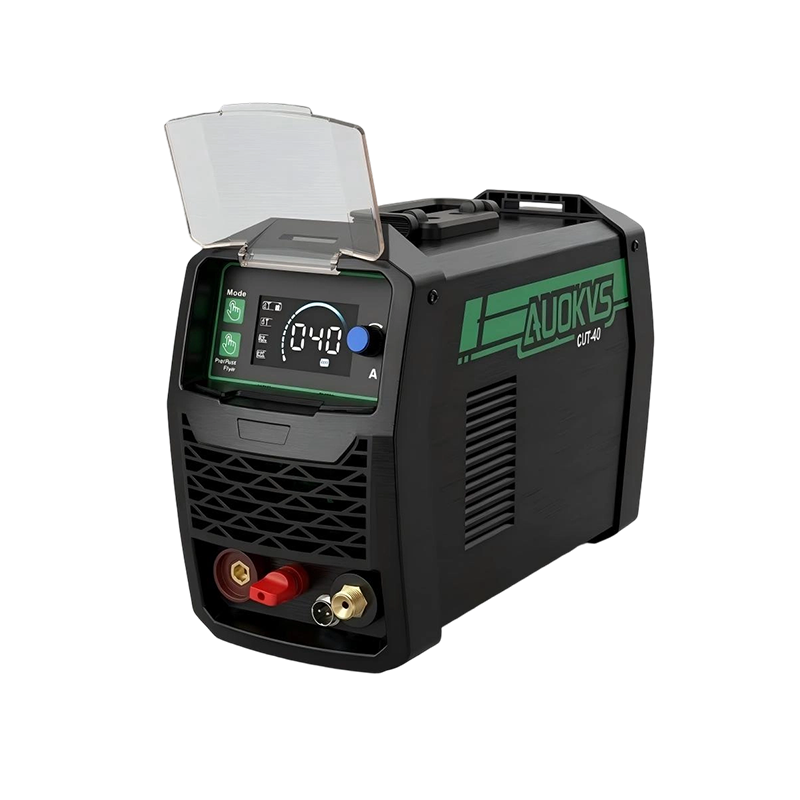
Metalwork in many workshops rarely stays in a single step. A sheet is cut, then adjusted, then joined, sometimes reshaped again before reaching a usable form. Because of that, a Plasma Cutter TIG Welder setup often appears in the same working space instead of separating cutting and welding into different corners.
Plasma cutting focuses on breaking metal along a controlled path using concentrated heat. The edge comes out narrow, with a clear separation line that can move directly into later work. TIG welding sits on the opposite side of the process. It brings pieces together using a calmer, more controlled heat zone where fusion happens slowly and steadily.
Keeping both functions close reduces unnecessary handling. A part does not need to be carried across different stations many times. That simple change helps avoid small alignment shifts that often appear when parts are moved repeatedly. It also keeps the surface cleaner, since fewer transfers usually mean fewer chances for dust or oxidation to settle.
Another practical point comes from workflow rhythm. Cutting and welding often happen in sequence. When both tools share the same environment, operators tend to maintain a more continuous pace instead of stopping and restarting between separate machines. The working flow feels more connected, especially during small batch or repair tasks.
Even though both processes use heat, the way heat behaves is not the same. Plasma cutting pushes energy into a tight line to separate material quickly. TIG welding spreads heat in a more controlled way so two surfaces can blend without breaking shape around them. Understanding this difference is important because the same metal piece may respond differently within minutes, depending on which process is being used.
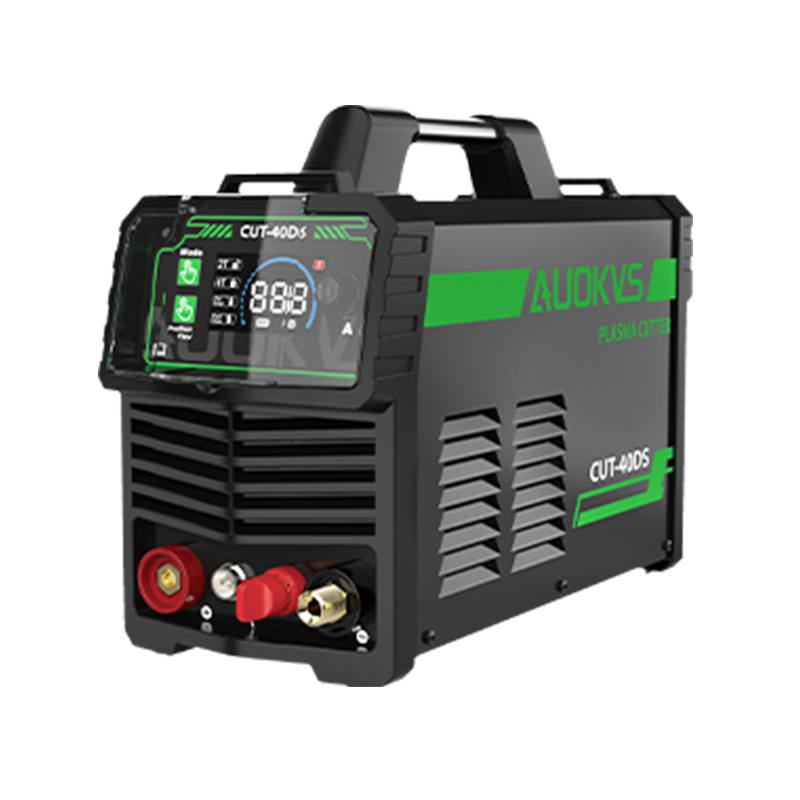
How Do Practical Cutting Techniques Improve Plasma Cutter TIG Welder Efficiency
Cutting performance often depends on movement control more than raw output. A Plasma Cutter TIG Welder reacts directly to how the torch is guided, so steady hand behavior often decides whether the edge looks smooth or slightly uneven.
During cutting, the torch needs to stay close enough to keep energy focused, yet not so close that heat becomes too concentrated in one point. When distance changes during movement, the cut line can shift slightly, especially on longer paths. Many operators notice that keeping a stable hand rhythm creates more consistent edges than adjusting settings repeatedly.
Movement speed also plays a quiet but important role. Faster motion reduces heat buildup along the edge, while slower movement increases interaction time between heat and material. Neither direction is automatically better. The material thickness and surface condition usually decide what feels balanced during operation.
Surface condition before cutting can also influence the result more than expected. Metal that carries oxidation or residue may react unevenly when heat is applied. Even when cutting direction remains steady, small surface differences may affect how the edge separates.
A simple observation helps during practice work: stable cutting lines often come from steady movement patterns rather than frequent corrections during the process.
What Factors Affect Cutting Quality During Real Use
Cutting quality develops from several small influences working together at the same time. Heat behavior, movement control, material condition, and operator rhythm all interact during operation.
Heat concentration is one of the most noticeable factors. Metal reacts quickly when heat gathers too strongly in one area. If heat spreads unevenly, the separation line may lose uniformity. Keeping heat movement balanced along the cutting path helps maintain cleaner edges.
Torch angle also influences how the cut develops. A slight change in tilt can redirect heat flow and affect how molten material exits the cut zone. Even small variations in angle become more visible on long cuts or curved paths.
Operator motion consistency plays a similar role. Smooth movement creates a continuous cutting line, while sudden acceleration or pause can leave marks along the edge. Over time, consistent motion tends to produce more predictable results.
Environmental airflow around the cutting zone can also influence behavior. Moving air may shift molten particles away from the cut line in uneven ways. The effect is often subtle, but becomes easier to notice during longer operation periods.
When these factors remain relatively stable, cutting results usually feel more uniform from start to finish.
How Is TIG Welding Applied After Plasma Cutting Preparation
After plasma cutting finishes shaping a metal part, welding usually follows as the next stage of work. The cut edge often becomes the joining area, so how that surface looks and behaves has a direct influence on welding stability.
In practical workshop conditions, cut edges are rarely used immediately without attention. Small residue from cutting, slight oxidation, or uneven edge texture may remain. Cleaning the joint area helps reduce unwanted interference during arc formation, allowing welding to stay more stable along the seam.
TIG welding itself relies on a controlled arc that reacts strongly to movement and heat balance. Once the torch begins traveling along the joint line, consistency becomes more important than speed changes. The weld pool needs time to form evenly, especially on parts that were recently cut.
A typical sequence often follows a simple flow:
- cut metal into required shape
- check and adjust edge alignment
- clean joint surfaces
- begin TIG welding along prepared seam
Each step supports the next one. When cutting and welding are treated as separate stages of a connected process, final assembly tends to feel more predictable.
Another practical detail comes from material positioning. After cutting, parts may shift slightly due to handling or thermal changes. Aligning edges again before welding helps reduce gaps or uneven contact points along the seam.
TIG welding after plasma cutting is often used in structural assembly, repair work, and detail joining tasks where controlled appearance and stable bonding are both required.
What TIG Welding Applications Are Common With Plasma Cutter TIG Welder Systems
When a Plasma Cutter TIG Welder system is used in real workshop environments, welding applications usually follow cutting tasks in a direct sequence. The combination allows both shaping and joining to happen within one working flow.
Common application patterns include:
- structural metal assembly after parts are cut into sections
- repair of cut components where damaged areas are removed
- joining thinner metal sheets where heat control is important
- fabrication tasks involving multiple small components assembled step by step
In structural work, cut pieces are arranged into frames or support shapes, then welded together along prepared joints. The accuracy of cutting directly influences how easily welding can follow, since better-fitting edges reduce adjustment work.
Repair situations often begin with removing damaged sections through cutting. After that, new material is positioned and welded into place. In such cases, cutting quality affects how clean the repair area becomes before welding starts.
Thin metal work requires careful heat handling. Excess heat may cause distortion, so welding after precise cutting helps maintain shape stability. The balance between both processes becomes especially important when working with lightweight structures.
How Does Welding Stability Depend On Operator Technique
TIG welding depends strongly on how the torch is handled throughout the process. Even when equipment settings remain unchanged, small differences in movement can change weld appearance and stability.
Several practical points usually influence welding behavior:
- steady torch travel along the seam
- consistent distance between torch and material
- controlled heat distribution across the weld path
- smooth transition between sections of the joint
Torch movement often defines how the weld pool forms. A stable hand allows the molten metal to settle evenly, while irregular motion may cause uneven bead shape or surface variation.
Heat distribution also requires attention. Too much concentration in one area can cause surface distortion, especially on thinner materials. Spreading heat evenly along the joint helps maintain a balanced weld line.
Distance control between torch and surface affects arc stability. A small change may influence how the arc behaves, which then affects how the weld pool develops. Keeping this distance consistent is often more important than making frequent adjustments during operation.
Operator rhythm gradually becomes part of welding quality. Over time, repeated practice often leads to more stable movement patterns, which supports more consistent results during longer welding tasks.
What Role Does TIG Welding Machine Manufacturer Play In System Stability
Behind every Plasma Cutter TIG Welder system, equipment design influences how smoothly cutting and welding processes work together. A TIG Welding Machine Manufacturer focuses not only on output capability but also on stability across different operating conditions.
Structural design plays a direct role in vibration control. When machine movement remains stable, both cutting and welding processes become easier to control. Reduced vibration helps maintain more predictable torch behavior during operation.
| Stability Factor | Influence on Cutting | Influence on Welding | Practical Effect |
|---|---|---|---|
| Structural rigidity | smoother edge path | steadier torch control | reduced vibration impact |
| Power consistency | stable cutting arc | uniform weld pool | predictable operation |
| Mode transition | easier workflow shift | faster setup change | continuous production flow |
| Control response | accurate movement | controlled bead formation | improved repeatability |
Electrical stability also matters. TIG welding relies on controlled arc behavior, and consistent power delivery helps maintain steady welding conditions across different materials and working stages.
Integration between cutting and welding functions influences workflow efficiency. When both functions respond smoothly within the same system, operators can shift between tasks without major interruption.
Guidance systems and control response also affect daily use. Smooth adjustment between settings allows the machine to adapt more easily when switching from cutting to welding tasks within the same workflow.
In practical environments, system stability often becomes more noticeable over long working periods rather than during short operation. Consistency across repeated tasks tends to reflect overall equipment design quality more clearly.
 Previous