EN
EN English
 Español
Understanding Current in MIG Welding
Definition: The welding current range refers to the adjustable electrical output of a MIG welding machine.
Significance: Proper current selection directly impacts weld penetration, bead appearance, and overall joint integrity.
Relevance to MIG Welding Machine Factory products: Many MIG welding machine factories design units with precise current ranges to ensure consistent performance across materials.
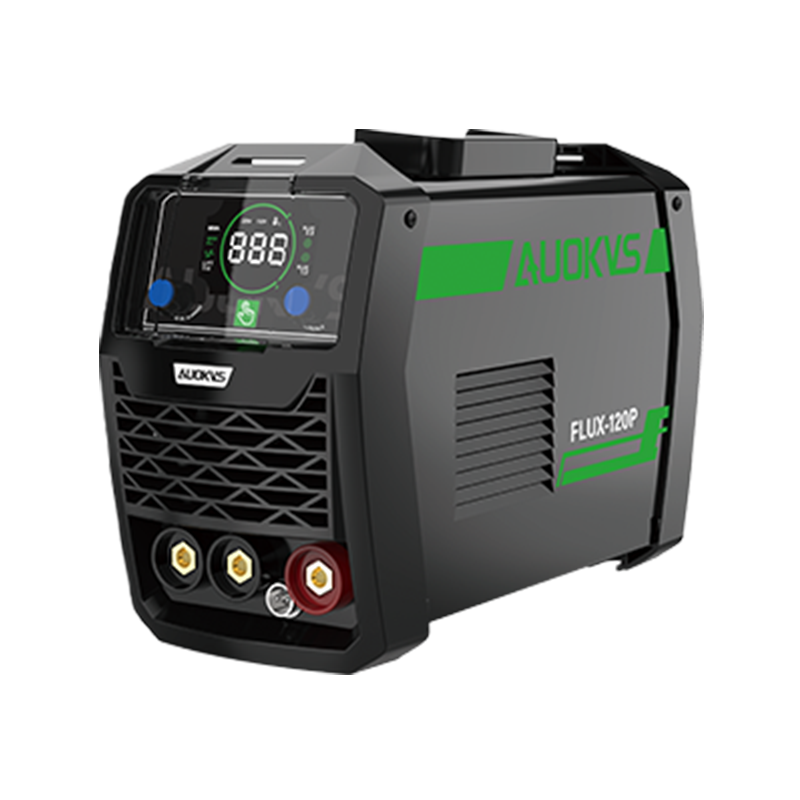
Impact of Low Welding Current
- Shallow penetration: Low current may not generate enough heat, resulting in insufficient fusion between base metals.
- Cold welds: Welds may appear underfilled or lack mechanical strength, increasing the risk of cracking.
- Thin metal suitability: Low current is ideal for thin sheets, reducing burn-through while maintaining a controllable arc.
- Reduced spatter: Lower currents produce less spatter, reducing post-welding cleanup.
Impact of High Welding Current
- Deep penetration: High current produces more heat, allowing thicker metals to be fused effectively.
- Faster welding speed: Higher currents enable operators to move the welding gun faster without sacrificing fusion quality.
- Increased spatter: Excessive current can generate significant spatter, requiring additional post-weld cleaning.
- Risk of burn-through: Thin materials may be damaged by high current, so adjustment is crucial.
Suitable Current Settings for Different Materials
- Steel and stainless steel: Medium to high current ensures proper penetration while maintaining bead appearance.
- Aluminum: Requires careful current selection due to high thermal conductivity; lower currents prevent warping.
- Copper alloys: Conduct heat quickly, necessitating precise current control for stable welds.
- Material thickness: Always match the current range to the thickness; thicker metals require higher current, and thinner metals require lower current.
Effects on Weld Bead Formation
- Bead width: Current determines the spread of molten metal; higher current widens the bead.
- Bead height and uniformity: Consistent current ensures smooth, even bead height without undercuts.
- Arc stability: Stable current reduces fluctuations, producing a cleaner and more visually appealing weld.
- Surface finish: Appropriate current reduces oxidation and discoloration on the weld surface.
MIG Welding Machine Features for Current Control
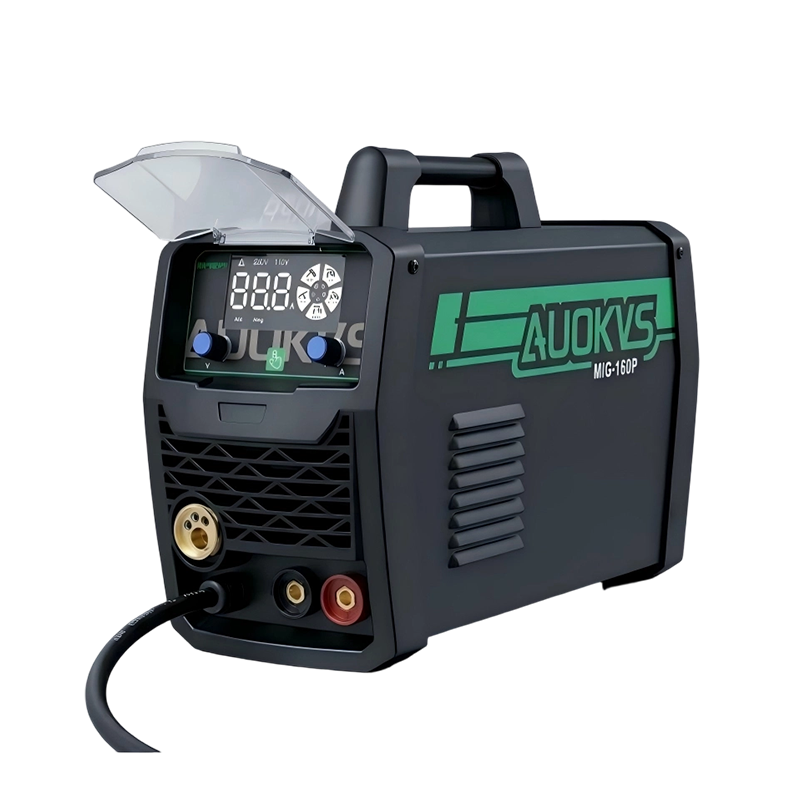
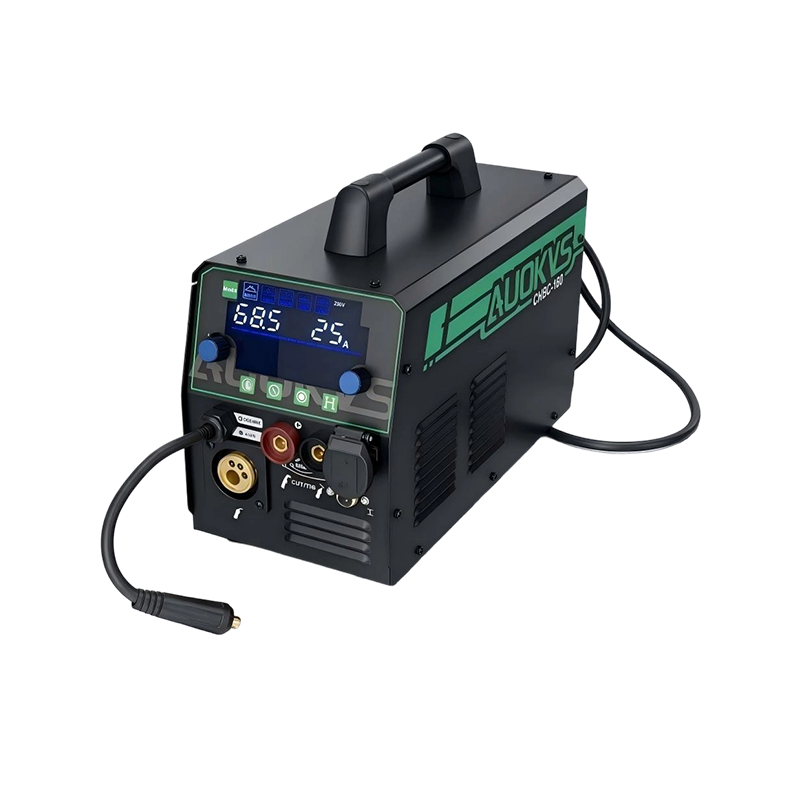
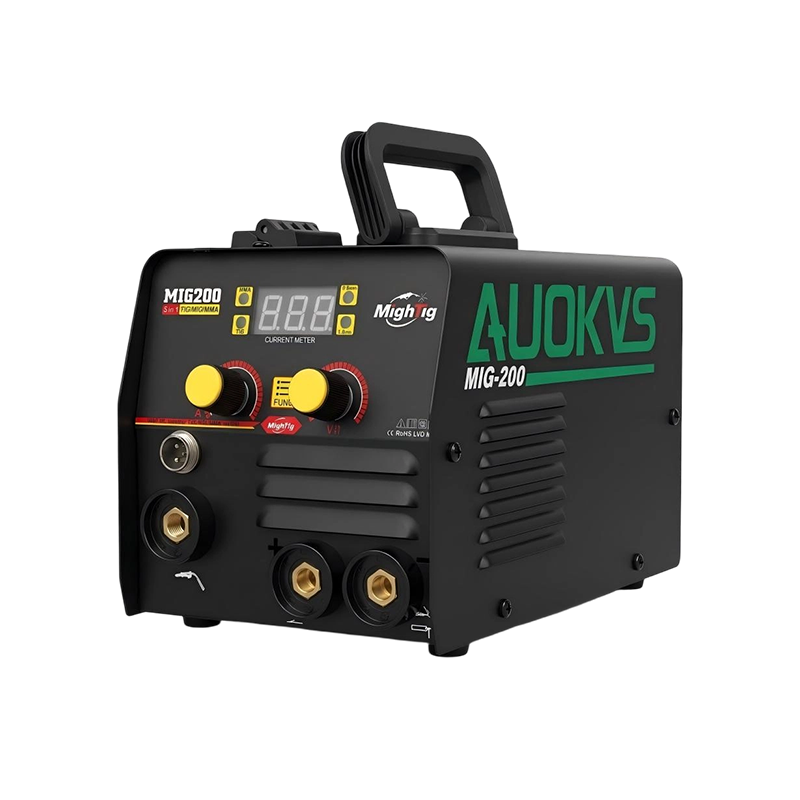
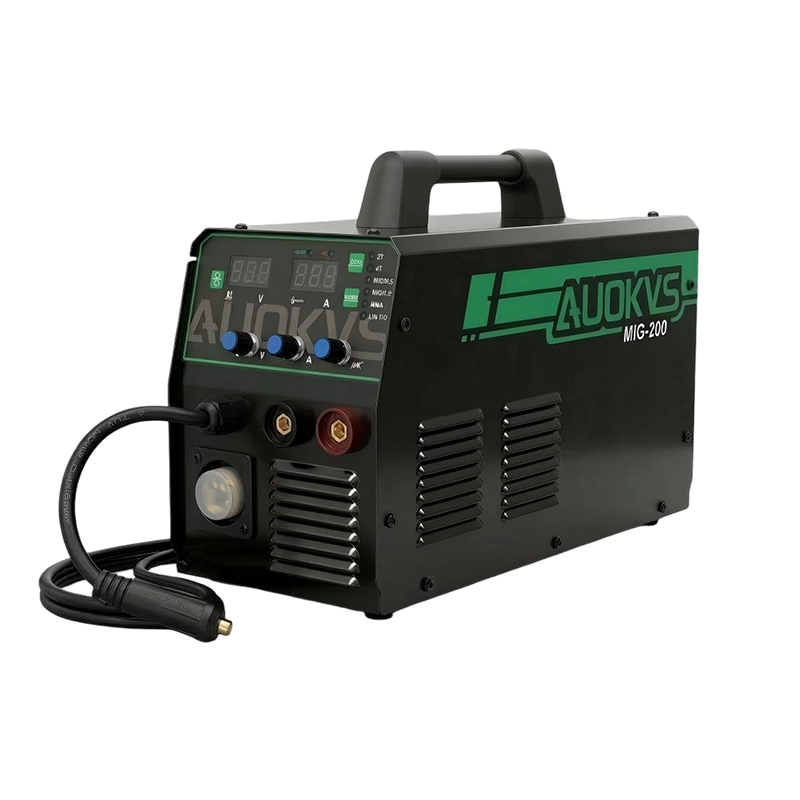
- Digital adjustment: Modern machines provide digital controls for precise amperage settings.
- Automatic feedback: Some MIG welding machines automatically adjust current to maintain consistent arc characteristics.
- Pulse settings: Pulse MIG allows alternating high and low currents to reduce heat input on thin metals while ensuring fusion.
- Multi-process capability: Advanced machines can switch current ranges for MIG, flux-cored, or synergic welding.
Operational Benefits of Proper Current Control
- Consistent weld quality: Correct current ensures repeatable results across multiple welds.
- Energy efficiency: Using the appropriate current avoids excessive energy consumption.
- Reduced rework: Fewer defects, like porosity or undercuts, cause less corrective welding.
- Operator ease: A controlled arc allows smoother gun movement, reducing fatigue during long sessions.
Troubleshooting Common Current Issues
- Undercut or poor fusion: Often caused by too low current; increase amperage gradually.
- Excessive spatter: Usually due to too high current; reduce current or adjust wire feed speed.
- Arc instability: Can be caused by mismatched current and material thickness; fine-tune settings accordingly.
- Burn-through: Lower current or slow travel speed for thin metals to prevent material damage.
Conclusion
- The output current range of a MIG welding machine is critical to weld quality, bead formation, and structural integrity.
- By understanding the relationship between current, material, and thickness, operators can produce strong, consistent welds without defects.
- MIG welding machine factories focus on designing equipment with precise current control to improve performance, energy efficiency, and operator ease.
- Proper current management is key to achieving both functional and visually appealing welds across various industrial and hobbyist applications.
 Previous