EN
EN English
 Español
The Importance of Current Control
Role in stability: Precise control ensures a consistent arc, reducing defects such as porosity, spatter, or uneven penetration.
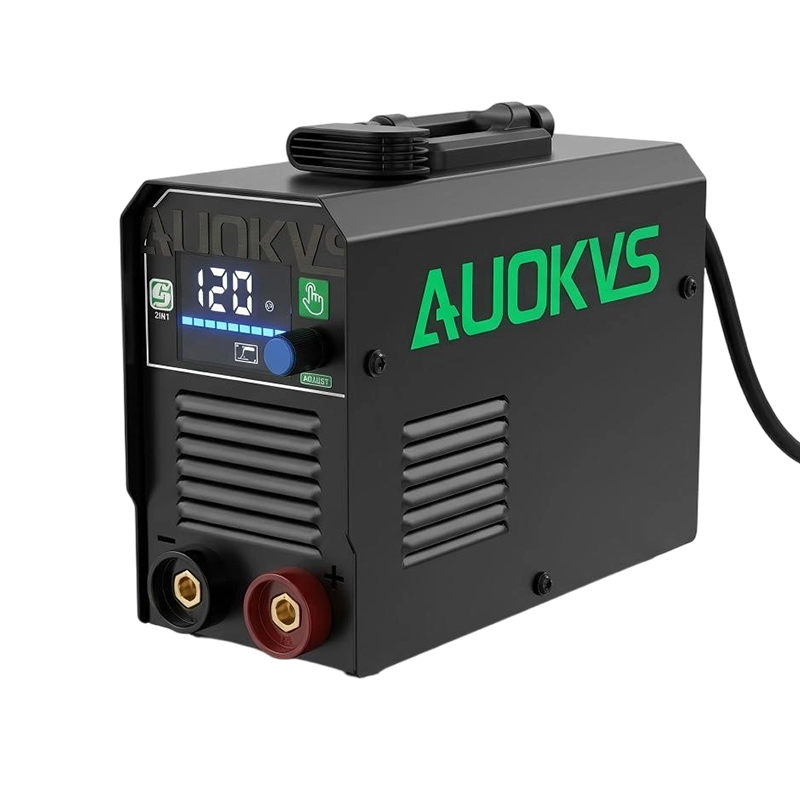
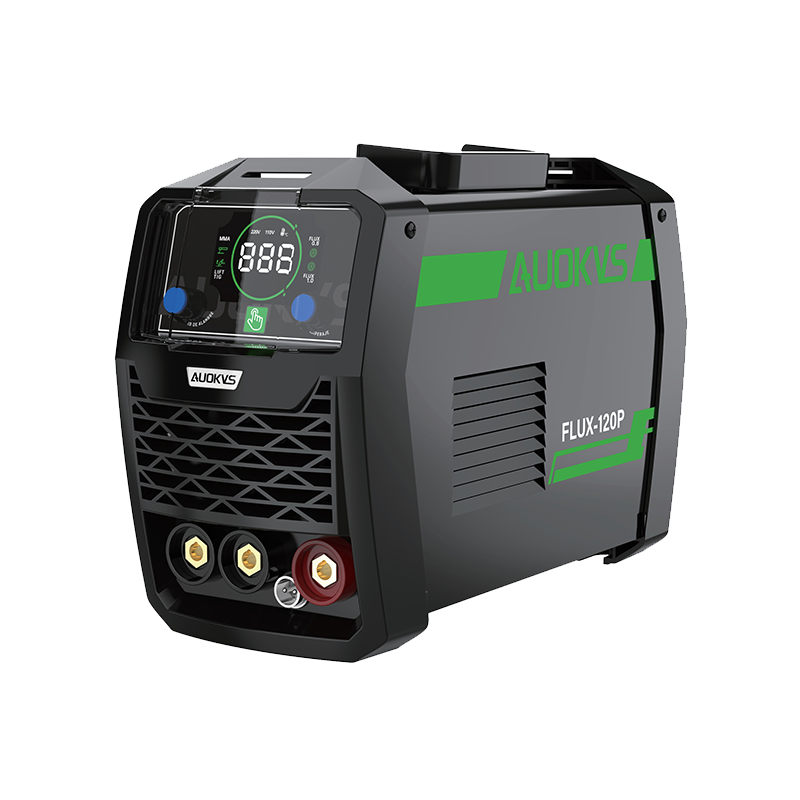
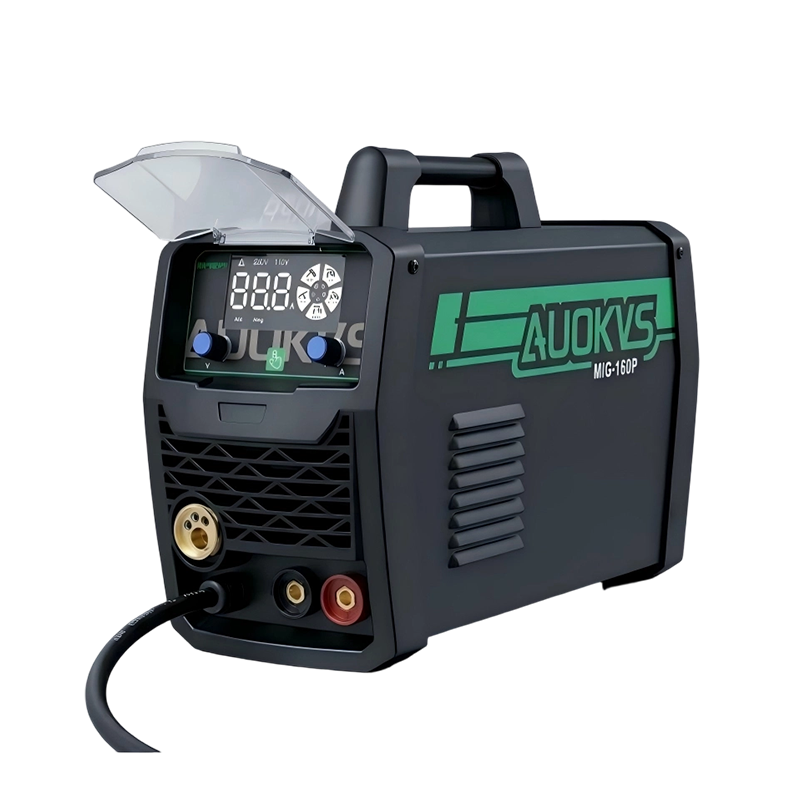
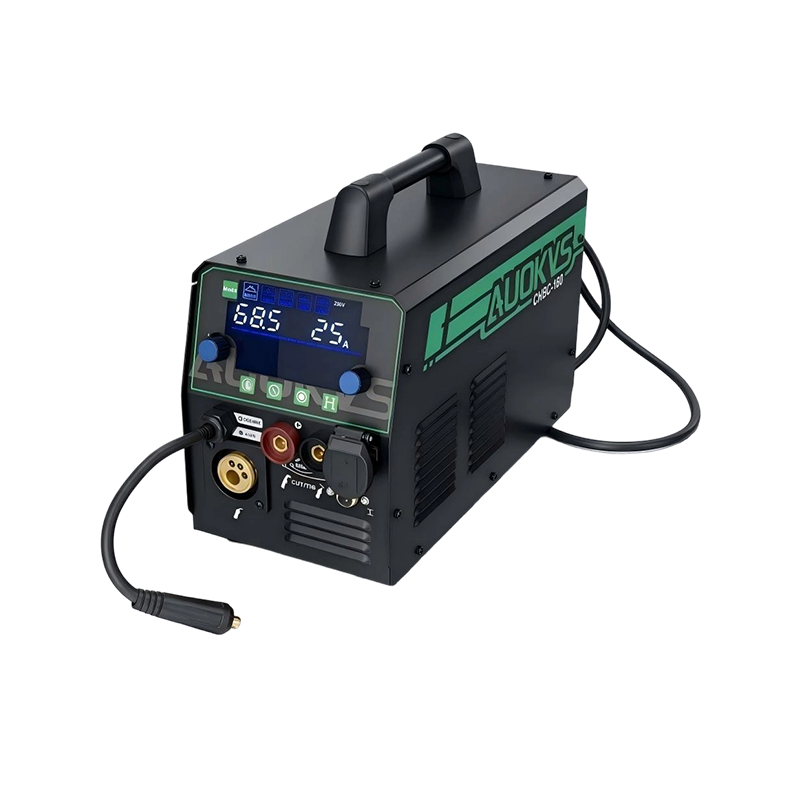
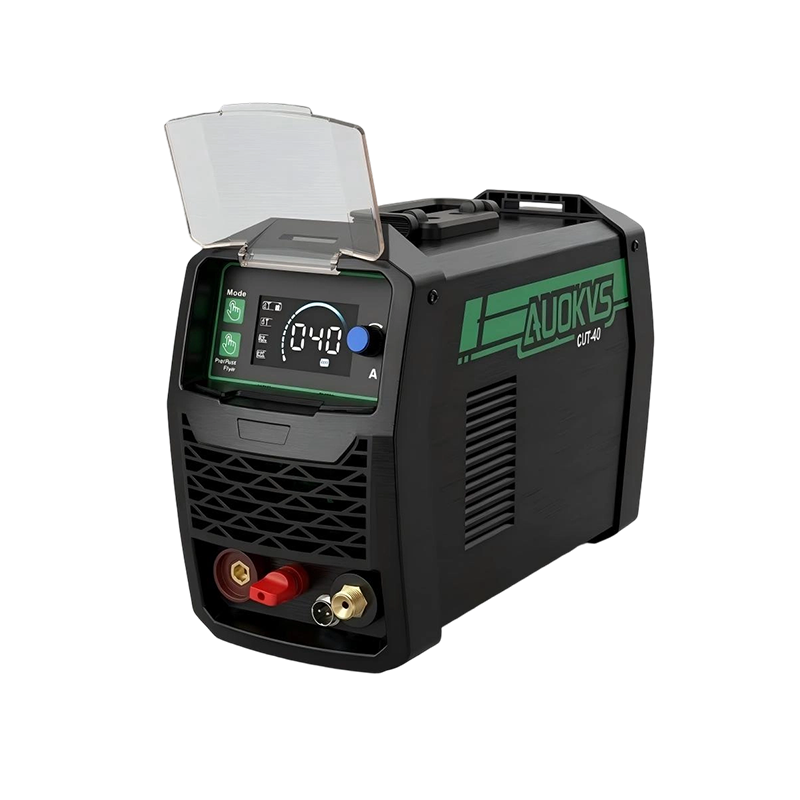
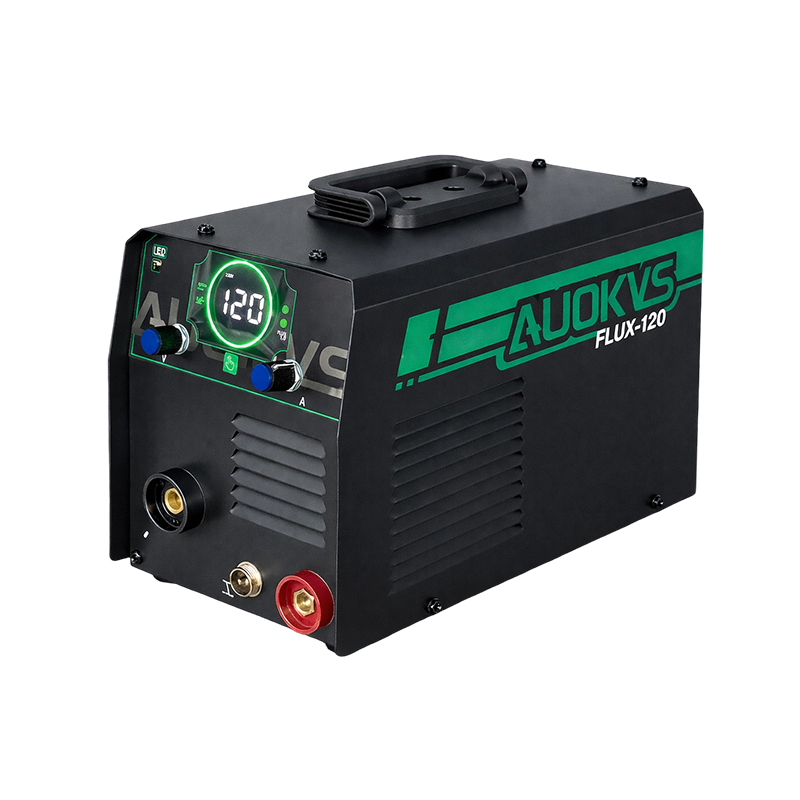
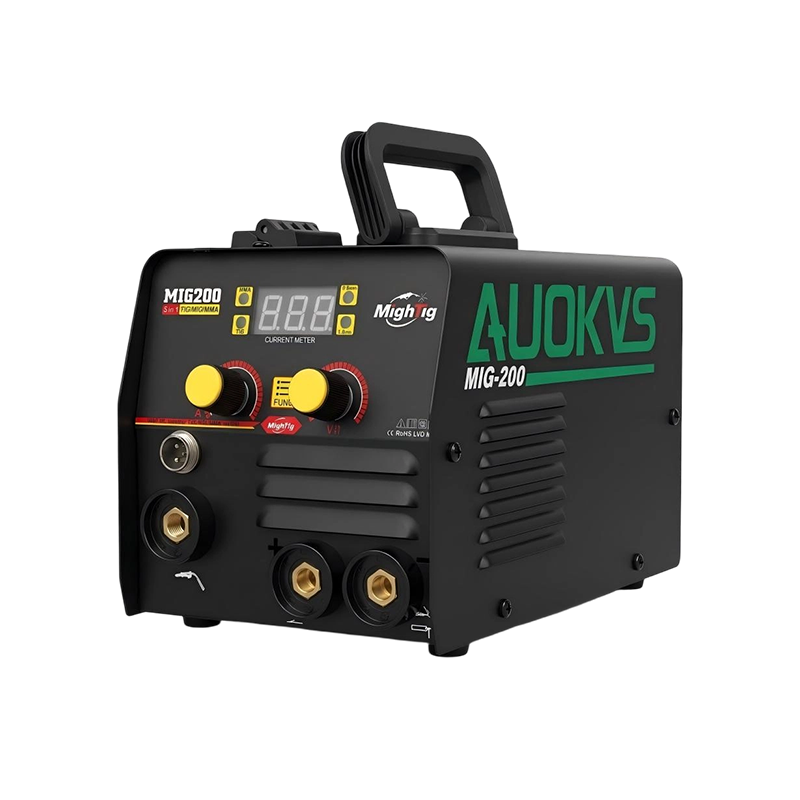
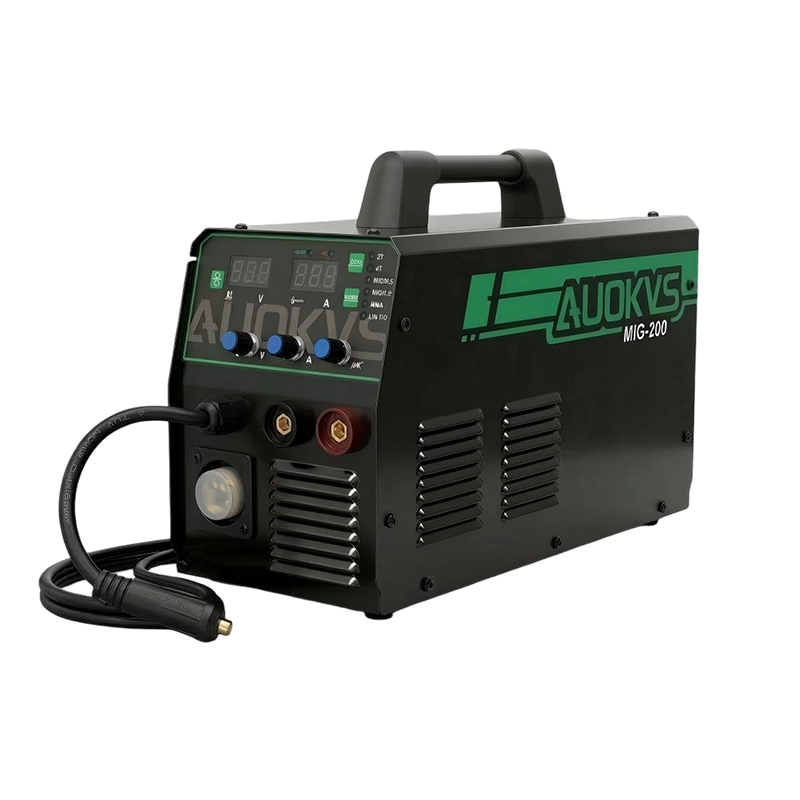
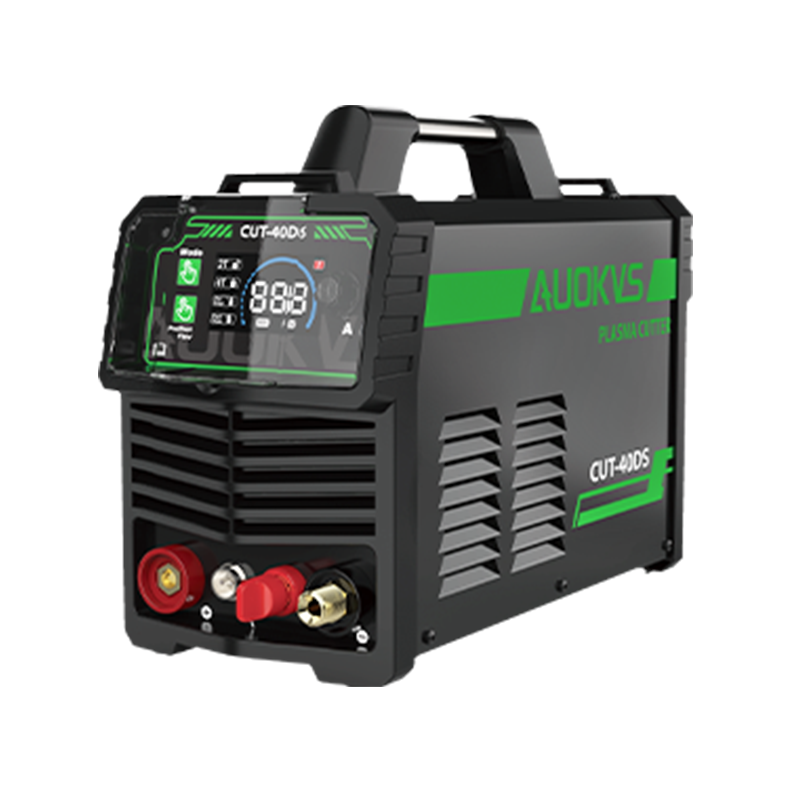
Relevance to OEM IGBT Welding Equipment: Modern OEM IGBT welding machines offer advanced current regulation, enabling good stability across diverse materials and thicknesses.
How Current Influences Arc Characteristics
- Arc length consistency: Stable current maintains a uniform arc length, which prevents sudden arc fluctuations that can damage the weld.
- Arc intensity: The amount of current affects heat generation; higher currents produce deeper penetration while lower currents reduce burn-through risk.
- Spatter control: Sudden current spikes increase spatter; regulated current reduces material wastage and post-weld cleanup.
Types of Current Control in IGBT Machines
- Linear current control: Provides smooth adjustment of current output to match operator input, ensuring predictable arc behavior.
- Pulse current control: Delivers alternating high and low currents, useful for thin materials to reduce heat input and distortion.
- Automatic feedback systems: OEM IGBT machines often include sensors that adjust current in real time to maintain consistent arc characteristics, even on irregular surfaces.
Effects on Weld Quality
- Penetration and fusion: Correct current levels ensure full fusion between base metals, reducing weak spots or cold laps.
- Consistent bead appearance: Controlled current results in uniform bead width, height, and surface texture.
- Reduced defects: Proper regulation lowers the chances of porosity, cracking, and undercutting, improving overall weld integrity.
Material and Thickness Considerations
- Thin metals: Lower currents prevent burn-through while still maintaining arc stability.
- Thick metals: Higher currents provide sufficient penetration, requiring careful adjustment to avoid excessive heat distortion.
- Different alloys: Steel, stainless steel, aluminum, and other metals respond differently to current; adaptive control in OEM IGBT machines optimizes performance for each material.
Operational Advantages
- Ease of use for operators: Smooth, predictable arc behavior reduces operator fatigue and allows consistent welds, even for less experienced users.
- Faster production: Stable current allows higher travel speeds without sacrificing quality, increasing throughput.
- Energy efficiency: Maintaining suitable current avoids unnecessary energy consumption and prolongs machine life.
Troubleshooting and Fine-Tuning
- Identifying instability: Signs include irregular bead width, spatter, and arc fluctuations.
- Adjusting current settings: OEM IGBT machines provide digital controls or potentiometers to fine-tune current output.
- Environmental factors: Variations in temperature, humidity, or surface conditions can require minor current adjustments to maintain stability.
Safety Implications
- Preventing arc blow: Uncontrolled current can cause erratic arcs that pose safety risks.
- Protecting consumables: Stable current prolongs electrode life and reduces wear on welding tips and nozzles.
- Consistent heat input: Reduces distortion and structural stress, which can prevent post-weld failures.
Integration with Automation
- Robotic welding systems: Current control is essential for consistent welds in automated setups.
- Feedback loops: OEM IGBT machines with integrated sensors automatically adjust current for each pass, improving repeatability.
- Scalability: Precise current management enables high-quality welding on large production lines, where manual adjustments would be impractical.
Effective welding current control is critical to achieving stable, high-quality welds.
OEM IGBT Welding Equipment offers advanced features such as pulse control, linear adjustment, and real-time feedback that optimize arc stability across materials and thicknesses.
By understanding how current affects arc characteristics, penetration, and bead appearance, operators can reduce defects, improve productivity, and ensure structural integrity.
Proper current management, combined with operator skill and material knowledge, makes modern IGBT welding machines a powerful tool for both manual and automated welding applications.
 Previous