EN
EN English
 Español
Metal thickness changes far more than joint appearance. It influences how heat enters a workpiece, how molten metal behaves during welding, and how quickly surrounding areas cool after the arc moves away. A thin plate reacts almost immediately because heat spreads through a short path, while a thicker section absorbs energy more gradually before a stable weld pool can form.
Every welding task begins with understanding how material stores and releases heat. Thin material reaches welding temperature quickly, making excessive heat difficult to control. Thick material behaves in another way. More energy is required before fusion becomes stable, and heat remains inside the joint for a longer period after welding stops.
Preparation also changes with material size. Light sections often require careful positioning to reduce distortion, while heavier components usually need greater attention to joint alignment so heat can reach deeper areas without leaving incomplete fusion. Small changes during preparation frequently influence final weld appearance more than expected.
Different workshop environments introduce additional variation. Indoor fabrication, field repair, and maintenance work all expose metal to different surrounding conditions. Air movement, surface cleanliness, and joint accessibility influence heat distribution long before welding begins.
How Does Current Adjustment Influence Different Metal Thickness
Current adjustment is closely related to heat control rather than power alone. A stable balance allows filler metal and base material to merge smoothly without creating unnecessary stress around the joint.
Lower current generally produces a smaller molten pool, making it easier to control thin material where excessive penetration may become a concern. Higher current enlarges the molten area and allows heat to move deeper into thicker sections, supporting stronger fusion across the joint.
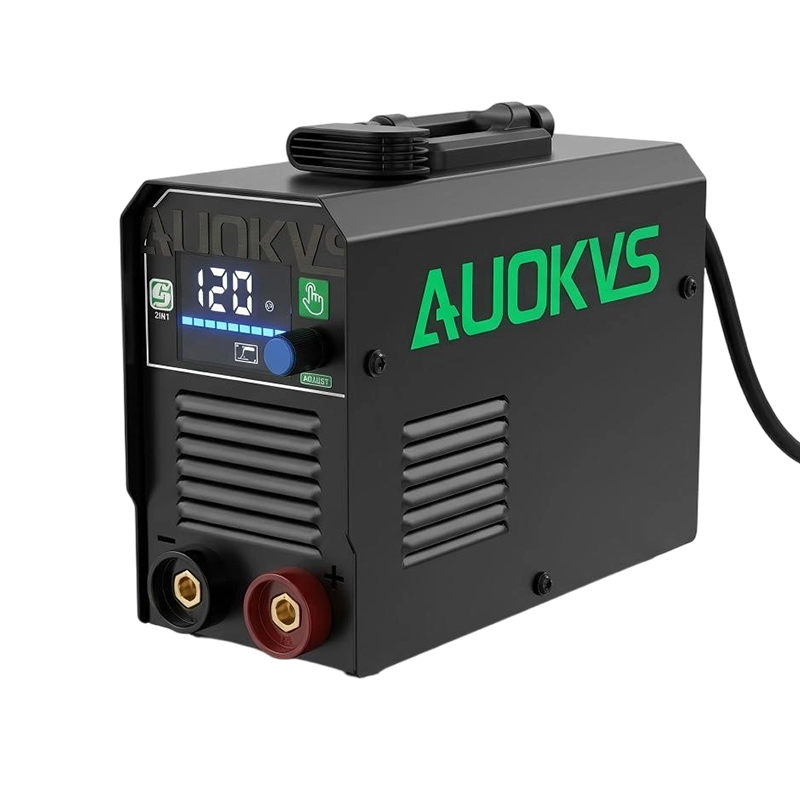
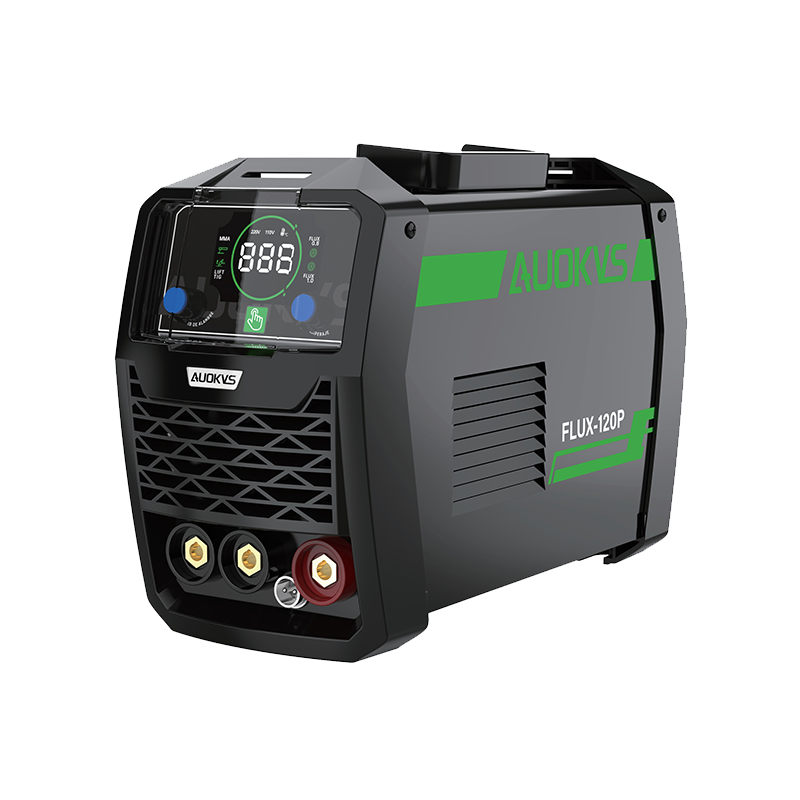
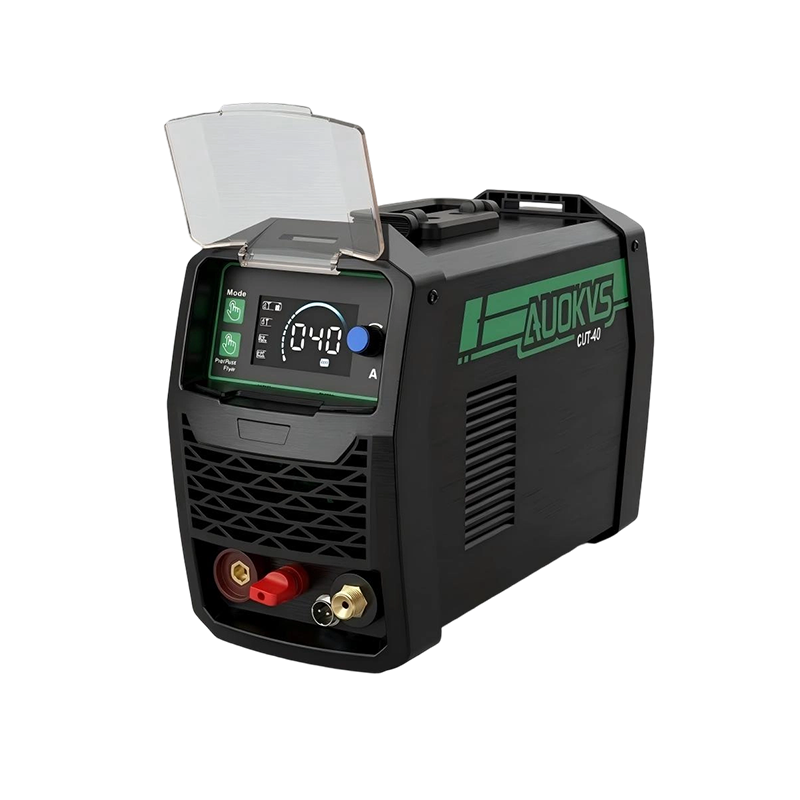
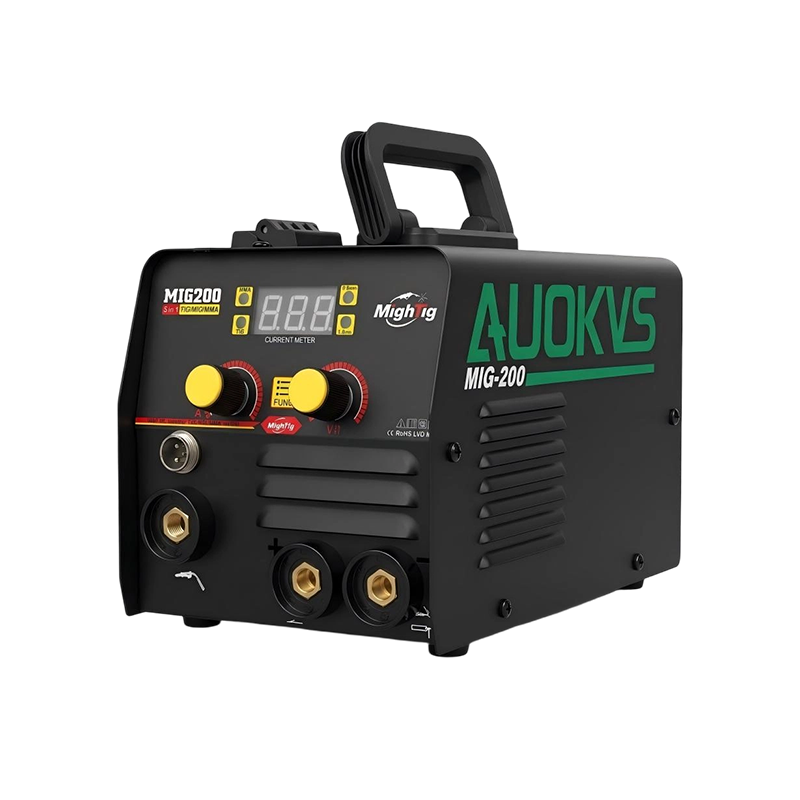
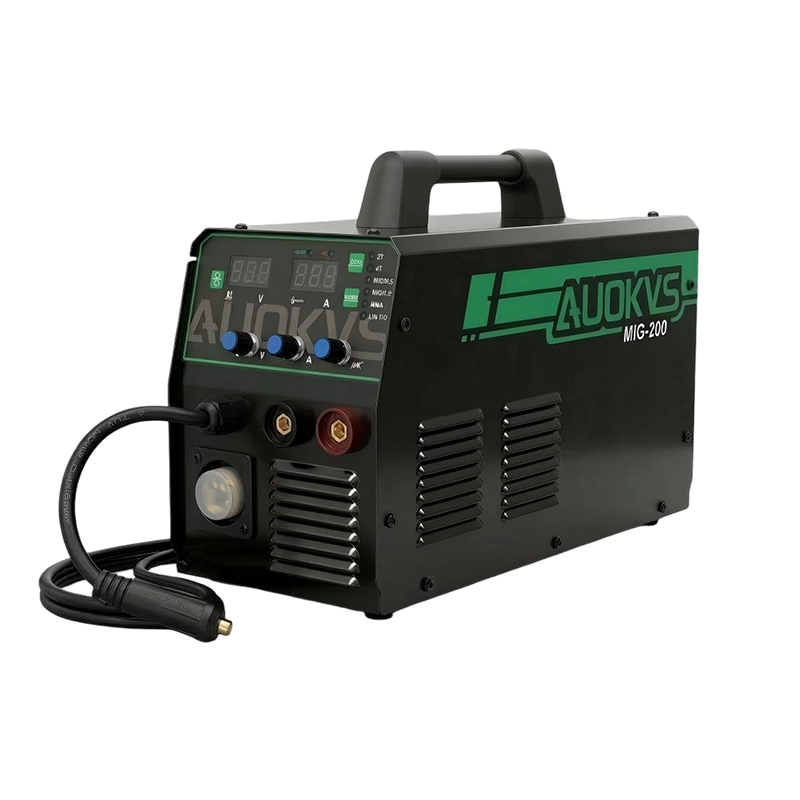
An ARC MMA Welding Machine provides flexibility because output can be adjusted according to changing material conditions instead of relying on one fixed setting. Such adjustment helps maintain a more consistent arc while allowing welding rhythm to remain steady across different fabrication tasks.
Several practical observations often guide adjustment:
- Arc stability should remain steady throughout the weld.
- Heat input should match material condition rather than welding speed alone.
- Gradual adjustment often produces smoother transition than large output changes.
- Consistent movement helps maintain an even bead profile.
Instead of searching for one universal setting, experienced fabrication work usually follows continuous observation. Arc sound, molten pool behavior, and bead formation together provide useful guidance during operation.
Why Does Electrode Selection Matter For Different Thickness Levels
Electrode choice affects far more than material consumption. Diameter, coating behavior, and melting pattern all influence how heat reaches the joint.
A smaller electrode generally allows finer control when welding lighter sections because heat remains concentrated within a limited area. Larger electrodes release more filler material during continuous welding and are often paired with heavier workpieces where deeper fusion is required.
Relationship between electrode size and joint condition is not fixed. Joint shape, welding position, and surface preparation may all influence selection. For that reason, experienced operators usually evaluate several conditions together rather than focusing on a single factor.
| Material Condition | Heat Requirement | Electrode Preference | Welding Focus |
|---|---|---|---|
| Thin section | Gentle heat input | Smaller diameter | Stable bead shape |
| Medium section | Balanced heat | Medium diameter | Uniform penetration |
| Thick section | Deeper heat transfer | Larger diameter | Consistent fusion |
Arc behavior also changes during electrode consumption. As length becomes shorter, movement rhythm often requires slight adjustment to keep bead appearance even across the entire joint.
How Does Heat Control Affect Weld Quality
Heat control continues throughout every stage of welding rather than ending once an arc becomes stable. Energy entering too quickly may increase distortion, while insufficient heat can leave incomplete fusion beneath the visible surface.
A balanced welding rhythm often creates smoother transition between adjacent weld sections. Travel speed, arc length, and pause timing work together to influence heat distribution along the joint.
Cooling deserves equal attention. Metal begins changing immediately after the arc leaves the surface. Uneven cooling may create internal stress that later influences dimensional stability. Controlled heat input reduces sudden temperature differences, helping the joint cool in a more uniform manner.
Instead of treating welding as a single heating process, many fabrication environments view heating and cooling as one continuous cycle. Both stages influence structural condition after welding is complete.
What Role Does Joint Preparation Play Before Welding
Joint preparation creates conditions that allow heat to move efficiently into the workpiece. Even a well-adjusted welding machine cannot fully compensate for poor edge condition or inaccurate fit-up.
Surface contamination often interrupts arc stability before visible welding begins. Oil, rust, moisture, and loose particles may interfere with heat transfer, causing irregular bead formation or unstable fusion. Cleaning usually becomes part of welding preparation rather than a separate maintenance task.
Edge shape also changes how molten metal fills the joint. Narrow gaps require different heat distribution from wider openings. Proper alignment allows molten metal to flow naturally without unnecessary correction during welding.
Preparation normally includes several simple steps.
- Remove loose contamination from joint surfaces.
- Keep edge alignment consistent before welding begins.
- Maintain suitable joint spacing for planned heat input.
- Secure components to reduce movement during welding.
Good preparation rarely attracts attention after welding finishes because everything proceeds smoothly. Many welding difficulties, however, begin long before the arc is struck, making preparation an important part of consistent fabrication results.
How Does Equipment Stability Support Different Welding Tasks
Production work rarely stays the same from one job to another. A light bracket may be followed by a thick structural part, then another component with a completely different joint design. Every change asks for a different amount of heat, while stable equipment makes those adjustments feel natural instead of abrupt.
Arc behavior changes every second. Small differences in hand movement, joint shape, or material condition all influence how the molten pool forms. When output remains smooth, welding becomes easier to control because the arc reacts in a more predictable way. A stable arc also allows attention to remain on joint formation rather than constant machine adjustment.
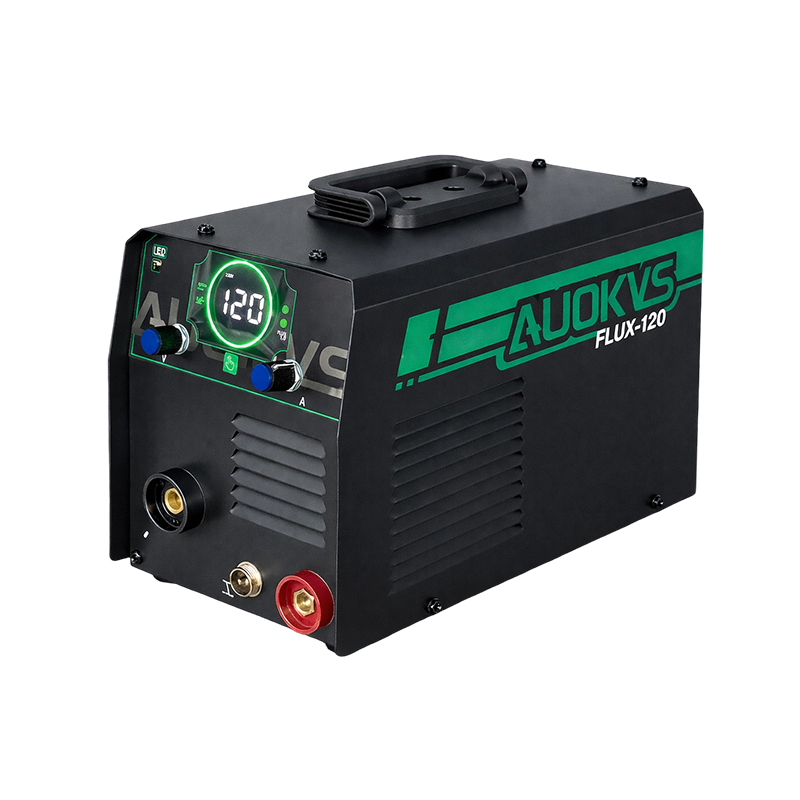
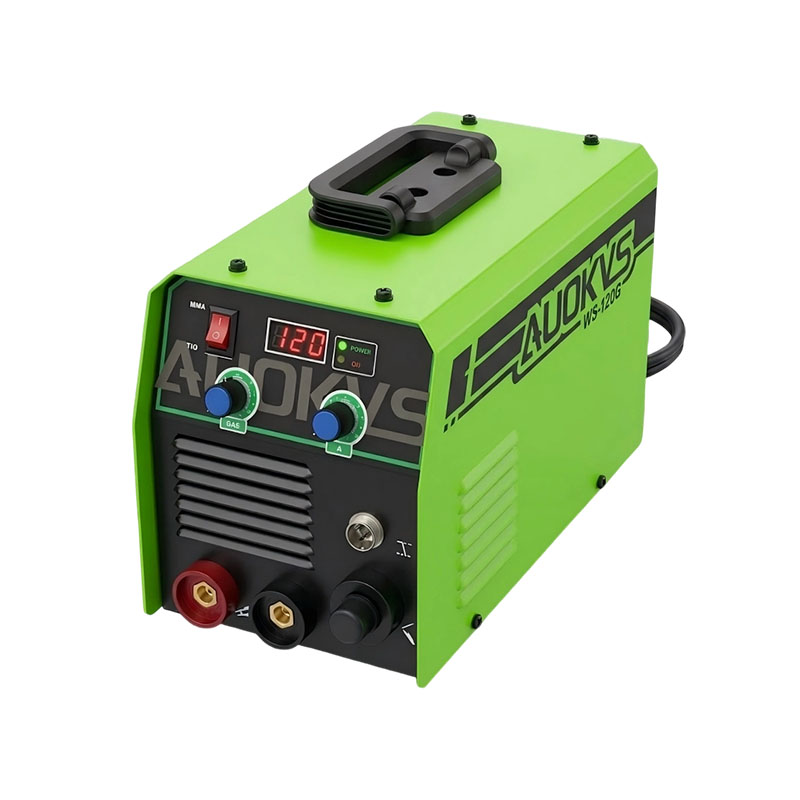
An High Power Welding Machine is often considered for fabrication involving heavier sections or longer welding periods, not because every task requires greater output, but because continuous work places greater demand on steady energy delivery. Consistency often has a stronger influence on daily operation than maximum capacity.
Workshop conditions also deserve attention. Dust, moisture, uneven ground, or changing temperatures may influence equipment behavior over time. Machines operating steadily under ordinary working conditions help reduce unnecessary interruptions and allow fabrication work to continue with fewer adjustments throughout the day.
Why Does Welding Position Influence Thickness Adaptation
Joint position quietly changes the way molten metal behaves. A flat surface allows liquid metal to settle naturally, while vertical or overhead welding requires closer control because gravity keeps changing the shape of the weld pool.
Material thickness adds another layer of variation. Thin sections respond almost immediately when heat reaches the joint, making travel rhythm especially important. Thick sections absorb heat more gradually, allowing the weld pool to develop in a different manner before fusion extends deeper into the material.
Instead of changing every operating habit, many experienced welders simply adjust movement according to joint position. A shorter pause, a smoother travel path, or a slight change in electrode angle often produces a noticeable difference without changing the overall welding process.
Stable results usually come from keeping several details working together rather than concentrating on only one adjustment. Arc length, travel rhythm, hand movement, and visual observation continue to influence each other throughout the entire weld.
How Do Material Surface Conditions Affect Welding Results
Metal begins telling its condition long before an arc appears. Clean surfaces usually respond in a predictable way, while contamination changes heat flow almost immediately after welding starts.
Oil, rust, paint residue, moisture, and loose particles interrupt smooth electrical contact. Even a small contaminated area may cause the molten pool to spread unevenly, creating extra correction work during welding. Removing surface contamination often takes less time than correcting an unstable weld later.
Joint edges also deserve careful preparation. Straight and even edges encourage balanced heat distribution, allowing filler metal to flow naturally into the joint. Rough preparation creates irregular gaps where heat may collect in one location while leaving another section without sufficient fusion.
Another detail often overlooked is temperature before welding begins. Material stored outdoors behaves differently from material already sitting inside a workshop. That difference may seem small at the beginning, yet it can influence how rapidly the joint reaches a stable welding condition.
Which Factors Help Balance Flexibility And Welding Performance
Daily production often includes repairs, fabrication, assembly work, and custom components within the same schedule. Equipment therefore needs enough flexibility to adapt without slowing workflow every time material changes.
An ARC MMA Welding Machine fits many fabrication environments because operating conditions can be adjusted according to joint requirements instead of remaining fixed for every application. That flexibility becomes valuable where material thickness, joint shape, and working position change frequently during ordinary production.
A High Power Welding Machine may be selected when fabrication involves larger sections or longer welding periods requiring sustained output. Selection depends more on actual processing requirements than on pursuing higher specifications.
Equipment planning usually becomes easier after considering several practical questions.
- How often does material thickness change during production?
- Does fabrication include both repair work and new assembly?
- Will equipment be moved between different workplaces?
- Is continuous operation more common than occasional welding?
Answers often point toward a practical solution more clearly than technical specifications alone.
How Can Consistent Welding Practice Improve Results Across Different Thickness
Material thickness changes from project to project, while careful observation remains constant throughout every welding task. Every joint responds a little differently because surface condition, fit-up, heat distribution, and cooling all change from one component to another.
Good welding practice develops through repeated attention to small details. Arc appearance, molten pool shape, travel speed, and cooling pattern all provide information during operation. Small adjustments made early usually keep the welding process smooth without interrupting overall rhythm.
An ARC MMA Welding Machine allows gradual adaptation across different fabrication conditions because output can be matched to changing material requirements. Stable results rarely depend on one single setting. They are built through balanced heat input, steady movement, suitable electrode selection, careful preparation, and continuous observation from beginning to end.
Across many fabrication environments, consistent workmanship grows from understanding how metal reacts under changing conditions rather than expecting identical behavior from every joint. Once material response becomes easier to read, adjusting for different thickness levels becomes part of the normal welding routine instead of an unexpected challenge.
 Previous