EN
EN English
 Español
TIG welding, also known as Gas Tungsten Arc Welding (GTAW), is widely used for precision and high-quality welds.
A reliable OEM TIG Welder Supplier provides machines suitable for various applications, from thin sheet metal to thick industrial components.
Understanding how the welder performs on materials of different thicknesses is crucial for weld quality, efficiency, and equipment longevity.
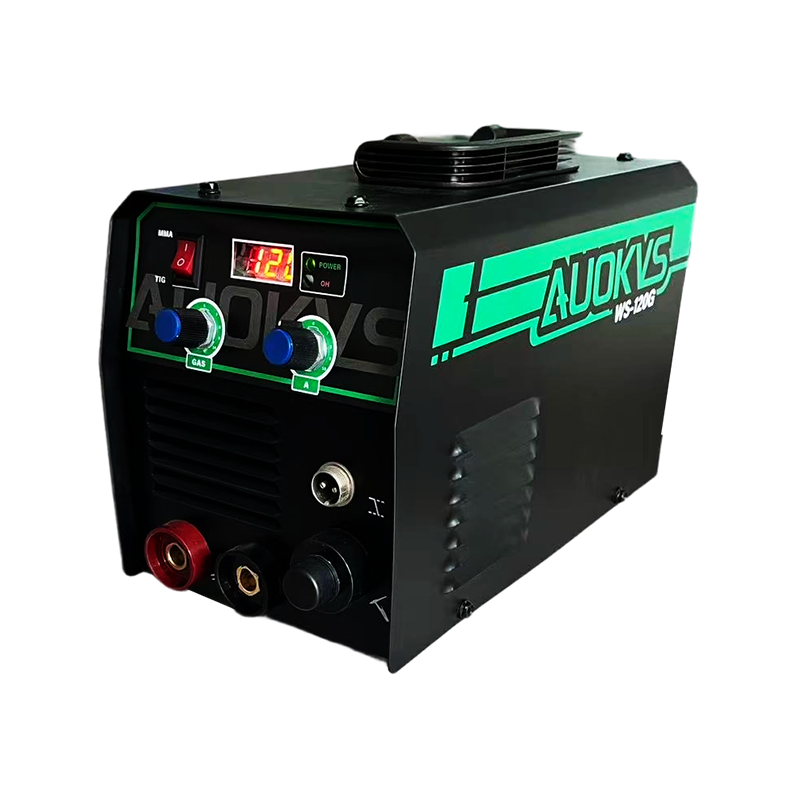
Welding Thin Materials
Challenges with Thin Metals:
- Thin metals, typically less than 3 mm, are prone to warping, burn-through, and distortion.
- Maintaining control over heat input is critical to prevent damage.
OEM TIG Welder Performance:
- High-precision current control allows operators to apply heat while maintaining a stable arc.
- Pulse TIG functionality improves control over heat distribution and penetration.
Practical Tips:
- Use low amperage and fast travel speed to avoid overheating.
- Consider using backing bars or heat sinks to reduce warping in thin sheets.
Welding Medium-Thickness Materials
1. Characteristics of Medium Metals:
Materials between 3 mm and 10 mm are less sensitive to burn-through but still require careful heat management.
Proper penetration and bead consistency are essential for structural integrity.
2. OEM TIG Welder Advantages:
Adjustable current and voltage ranges provide versatility for medium-thickness welding.
Smooth arc start and high-frequency initiation ensure contamination of the tungsten electrode.
3. Practical Tips:
Use moderate amperage settings and maintain consistent travel speed.
Monitor bead formation for uniform width and penetration depth.
Welding Thick Materials
- Challenges with Thick Metals:
Metals thicker than 10 mm require high heat input to achieve full penetration.
Risk of incomplete fusion or slag inclusion if heat is uneven or insufficient.
- OEM TIG Welder Capabilities:
High-current output supports deeper penetration and consistent arc stability.
IGBT technology ensures efficient energy transfer and precise control during prolonged welding.
- Practical Tips:
Use multi-pass welding techniques for very thick materials.
Ensure proper preheating to reduce thermal stress and prevent cracking.
Material Type Considerations
Aluminum and Stainless Steel:
Both materials are highly sensitive to heat input. Aluminum requires AC TIG settings for oxide layer cleaning.
Stainless steel requires precise heat control to avoid warping or discoloration.
Mild Steel and Carbon Steel:
More forgiving in terms of heat, but maintaining uniform penetration is still essential.
Pulse TIG functionality can help control bead shape and reduce spatter.
Practical Tips:
Select appropriate shielding gas, typically pure argon, to ensure weld quality.
Adjust welding parameters according to both material type and thickness.
Equipment Features Affecting Performance
Current and Voltage Control:
- Precise adjustment ensures suitable penetration and bead shape for varying thicknesses.
- Prevents overheating of thin sheets while providing sufficient energy for thick plates.
High-Frequency Arc Start:
- Ensures smooth arc initiation without tungsten contamination, especially important for precision work.
Cooling System:
- Adequate water or air cooling prevents overheating of the torch and electronics during extended high-current welding.
Practices for Weld Quality
- Test welds on scrap material to determine the suitable parameters for each thickness.
- Adjust amperage, voltage, and travel speed for consistent penetration and bead appearance.
- Use pulse TIG or multi-pass techniques for controlling heat and reducing defects.
- Maintain the TIG welder and replace consumables like tungsten electrodes regularly for consistent performance.
Conclusion
- The OEM TIG Welder Supplier provides equipment that performs efficiently across a range of material thicknesses.
- Thin metals require careful heat management, medium metals benefit from versatility, and thick metals demand high current and multi-pass welding techniques.
- Features like IGBT technology, high-frequency arc start, and adjustable pulse settings ensure consistent, high-quality welds on all material types.
- Understanding the interaction between material thickness and equipment capabilities allows welders to improve efficiency, reduce defects, and extend the life of both the welder and consumables.
 Previous