EN
EN English
 Español
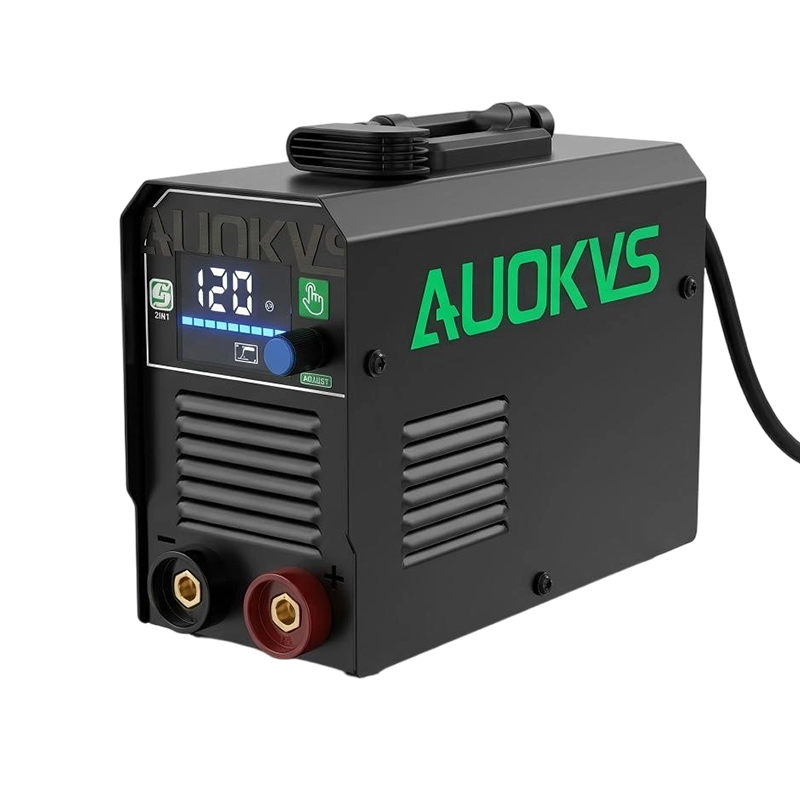
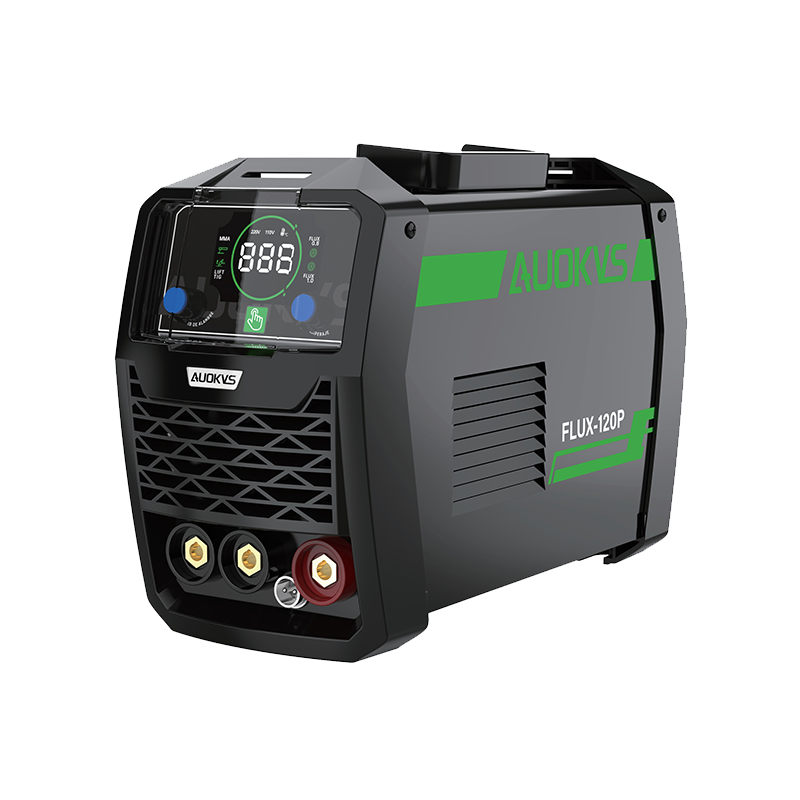
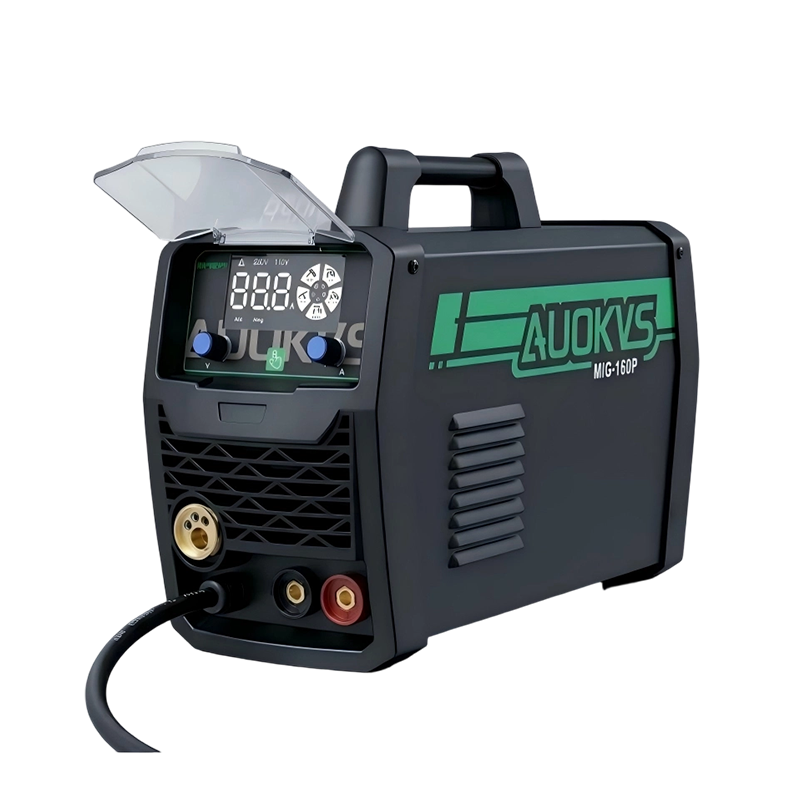
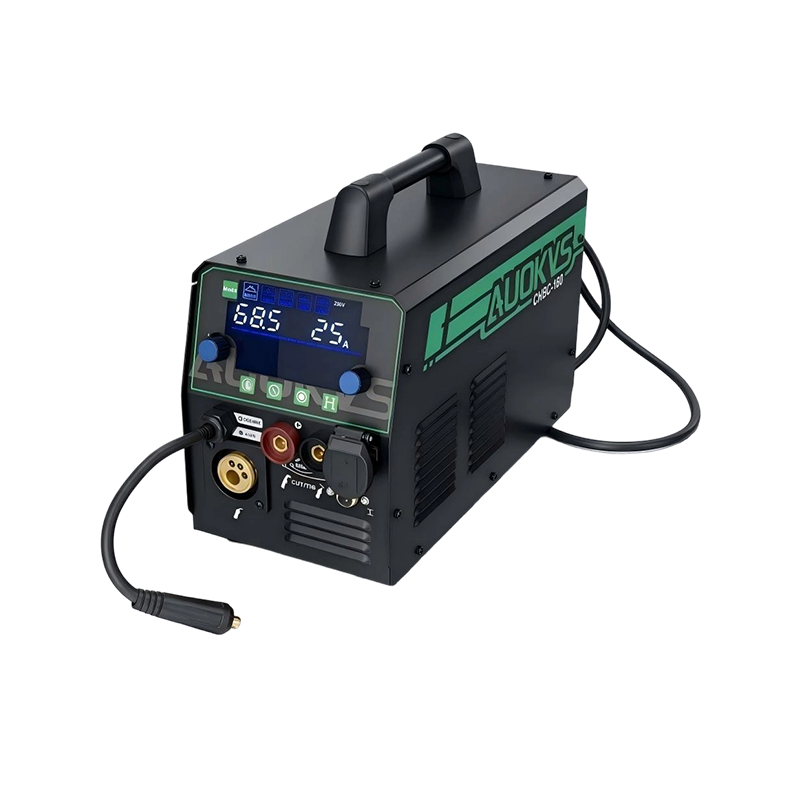
In the past two years, the European welding equipment market has seen noticeable changes. While demand for MIG, TIG, and multi-process welding machines continues to grow, the price of well-known international brands has increased sharply. For many small and mid-sized distributors, the rising cost is no longer aligned with their customers’ buying capability. As a result, more distributors are actively searching for OEM welding machine manufacturers in Asia—especially China—to develop lower-cost alternatives that can maintain acceptable performance while offering better margins.
Several factors are driving the price increases: higher production costs in Europe and North America, logistics challenges, unstable geopolitical conditions, brand marketing costs being passed down to distributors, and post-pandemic shortages of certain electronic components. This creates a growing gap between premium brands and the real purchasing power of the market.
Because of this, more European distributors are shifting toward private-label welding machines. Some are customizing models to match their market needs, while others are creating affordable product lines exclusively for local chains or online platforms. This trend is particularly strong in Germany, Poland, Spain, Italy, and Eastern Europe.
When distributors approach OEM manufacturers, they tend to look for the same key benefits: reliable budget-friendly alternatives, customizable logo/color/functions, compliance with EU standards such as CE and EMC, stable supply, and low MOQ to reduce risk. OEM factories that offer solid engineering and flexible customization are gaining attention quickly.
Industry feedback indicates that OEM alternatives now provide good performance-to-price ratios. With improved IGBT modules, digital control boards, and better cooling systems, many OEM machines already meet the needs of hobby users and light-industrial workshops. Distributors can also maintain healthier margins without sacrificing reliability.
As pricing pressure increases, the market is gradually forming two segments: high-end professional brands and OEM customized alternatives. For many distributors, OEM solutions are no longer a secondary option—they are becoming a strategic part of their product lineup.
 Previous