EN
EN English
 Español
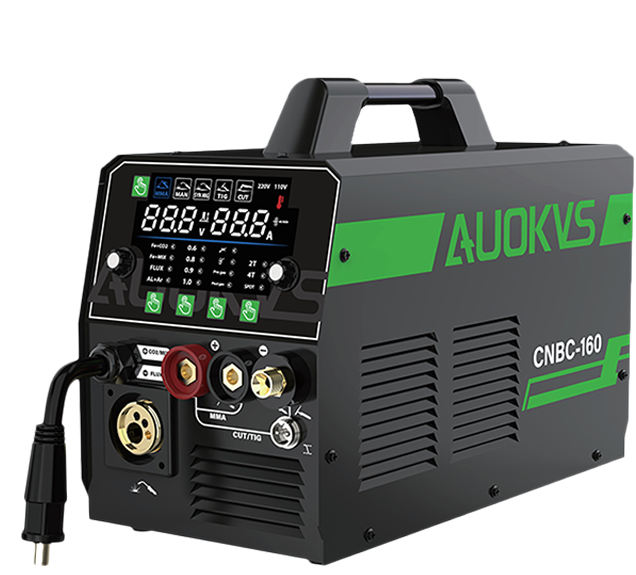
The ODM Welding Equipment is widely used in industrial environments where electromagnetic interference (EMI) can disrupt electrical systems and reduce welding performance. In factories, workshops, and shipyards, multiple machines operating simultaneously generate electromagnetic fields that may interfere with sensitive electronic components. Understanding the anti-interference capabilities of ODM welding equipment is essential for ensuring stable arc performance, consistent weld quality, and long-term reliability, especially in complex electromagnetic environments.
Sources of Electromagnetic Interference
EMI in industrial settings originates from various sources, including high-power motors, transformers, frequency converters, and nearby welding machines. These electromagnetic fields can induce unwanted currents or voltage fluctuations in the welder’s circuitry, potentially causing unstable arcs, flickering, or even temporary shutdowns. In extreme cases, repeated interference may degrade sensitive electronic components, such as IGBT modules or control boards, reducing the equipment’s lifespan. OEM and ODM manufacturers prioritize designing welding equipment capable of withstanding such disturbances to maintain operational efficiency.
Design Features Enhancing Anti-Interference Performance
ODM Welding Equipment employs several engineering strategies to reduce the impact of electromagnetic interference. Shielded enclosures, grounded chassis, and EMI filters are integrated into the design to block external fields from affecting internal circuits. Signal lines and control circuits are often twisted or routed through shielded pathways to prevent the induction of stray currents. Furthermore, high-quality components with built-in resistance to electrical noise enhance overall robustness. These design measures collectively improve the equipment’s ability to operate reliably even in electrically noisy environments.
Control System and Digital Regulation
Modern ODM welding machines utilize digital control systems with microprocessor-based regulators. These systems monitor output current and voltage in real time, allowing the machine to compensate for minor disturbances automatically. Advanced algorithms can filter transient signals and stabilize the arc, ensuring that weld quality is not compromised by external EMI. The combination of hardware shielding and intelligent control systems provides a dual layer of protection against interference, improving the consistency and reliability of welding operations.
Practical Implications for Industrial Applications
In complex electromagnetic environments, such as shipbuilding, automotive assembly, or high-voltage electrical workshops, the anti-interference performance of welding equipment directly affects production quality. Arc instability caused by EMI can result in weld defects, reduced penetration, or inconsistent bead formation. By using ODM Welding Equipment with robust EMI resistance, manufacturers can maintain high standards of weld integrity while reducing downtime and rework caused by interference-related issues.
Testing and Quality Assurance
To ensure suitable anti-interference performance, ODM Welding Equipment undergoes rigorous EMI testing under controlled conditions. This includes exposure to radiated and conducted electromagnetic fields across a range of frequencies to evaluate equipment resilience. Compliance with industry standards and electromagnetic compatibility (EMC) certifications demonstrates that the welder can perform reliably in real-world settings where multiple sources of interference coexist.
The anti-interference capabilities of ODM Welding Equipment are critical for stable and efficient welding in complex electromagnetic environments. Through shielding, filtering, and advanced digital control systems, these machines maintain consistent arc performance and weld quality, even in electrically noisy industrial settings. Proper design, testing, and adherence to EMC standards ensure that ODM welding equipment remains a reliable and high-performance solution for modern manufacturing challenges.
 Previous