EN
EN English
 Español
Importance of Proper Equipment Selection
Choosing the right ODM Welding Equipment is a critical decision for manufacturers aiming to balance efficiency, quality, and cost. Different welding applications require varying levels of precision, heat input, and operational speed. Factors such as material thickness, weld seam specifications, and production volume play a decisive role in determining the suitable equipment. Selecting an inappropriate machine can cause poor weld quality, higher defect rates, increased downtime, and unnecessary capital expenditure. Understanding how these factors interact helps engineers and procurement teams make informed choices for both manual and automated welding systems.
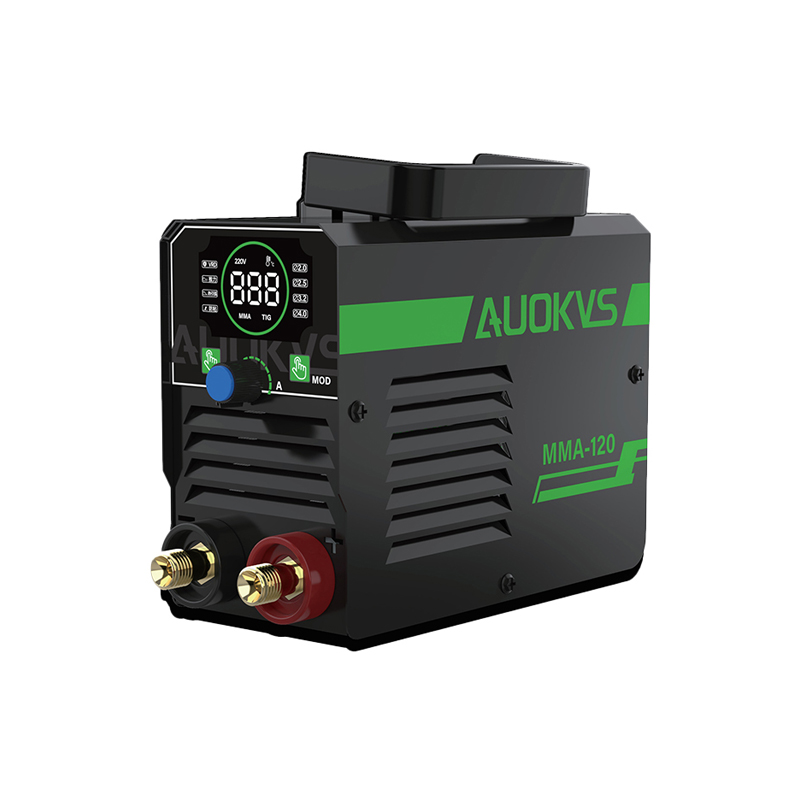
Material Thickness and Equipment Requirements
Material thickness directly affects the type of welding equipment needed. Thin materials, such as sheet metal under 3mm, require precise heat control to prevent burn-through or warping. In such cases, equipment with fine amperage adjustment and stable arc characteristics is preferred. For thicker metals, higher power output and robust duty cycles become essential to achieve deep penetration and strong weld joints. Some ODM Welding Equipment is designed to accommodate a wide thickness range, while others are optimized for specific gauges. Matching machine capacity with material characteristics ensures consistent weld quality and reduces the risk of rework or material damage.
Weld Seam Specifications and Process Selection
Weld seam requirements also influence the choice of equipment. Complex geometries, tight tolerances, or intricate joints demand machines capable of precise control and repeatable positioning. For example, fillet welds in structural applications may benefit from automated or semi-automated systems that maintain uniform travel speed and angle. Butt welds with critical dimensional constraints may require equipment with advanced monitoring, pulsed current capability, or specialized torch designs. ODM Welding Equipment can be customized to meet these requirements, offering options such as adjustable wire feed rates, programmable sequences, or integrated vision systems to ensure accuracy across multiple welds.
Production Volume and Efficiency Considerations
Production volume determines whether manual, semi-automatic, or fully automated equipment is appropriate. Low-volume, customized fabrication may rely on manual or semi-automatic welding systems, offering flexibility and lower initial investment. High-volume production, on the other hand, benefits from automated ODM Welding Equipment capable of continuous operation, consistent weld quality, and minimal operator intervention. Factors such as cycle time, travel speed, and torch manipulation should be considered alongside duty cycle ratings to ensure the equipment can handle the required throughput without overheating or excessive maintenance.
Balancing Cost, Flexibility, and Performance
Selecting the right equipment is a balance between cost, operational flexibility, and performance. Machines designed for specific thickness ranges or seam types may offer good efficiency but limited adaptability. Versatile ODM Welding Equipment can handle diverse applications but may carry a higher upfront cost. Evaluating long-term operational savings, maintenance requirements, and potential scalability is crucial. Collaboration with the equipment manufacturer or ODM provider can provide insights into customization options, ensuring the machine aligns with current production needs and anticipated future demands.
Informed Selection Ensures Quality and Productivity
Considering material thickness, weld seam specifications, and production volume allows manufacturers to select ODM Welding Equipment that delivers consistent quality and operational efficiency. By carefully evaluating these factors and balancing flexibility with cost, businesses can optimize their welding processes, reduce rework, and maintain high throughput. Proper selection ensures that equipment not only meets immediate production needs but also provides long-term value and reliability in a competitive manufacturing environment.
 Previous