EN
EN English
 Español
In 2025, the global market for TIG welding equipment continues to evolve as OEM suppliers adapt to rising expectations from European manufacturers and small- to medium-sized enterprises (SMEs). The role of OEM TIG welder suppliers has become increasingly crucial, driven by the demand for more efficient, reliable, and application-specific welding solutions.
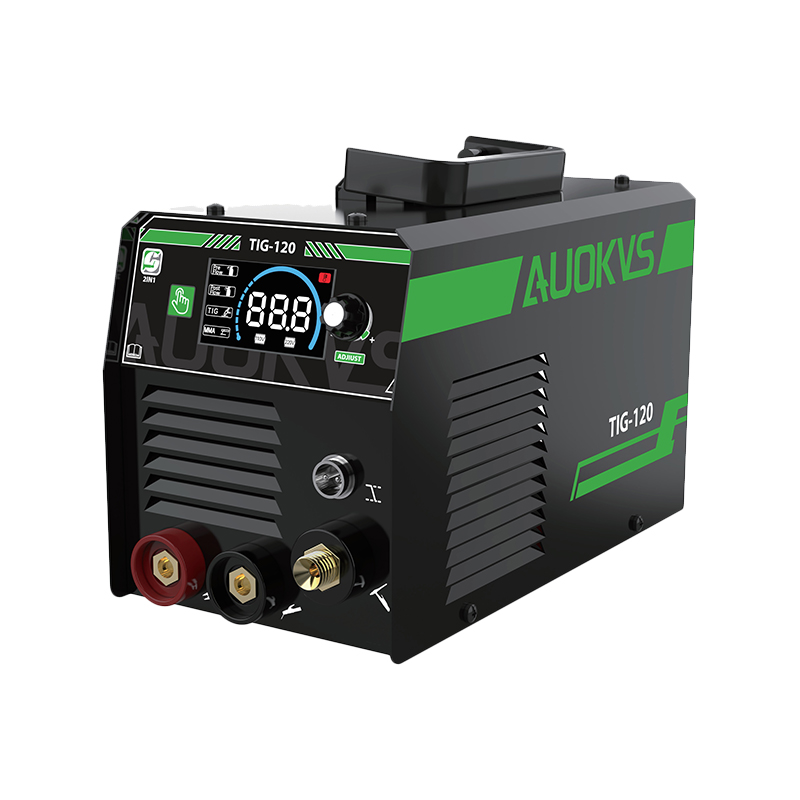
Across Europe—particularly in Germany, Poland, Italy, and Northern Europe—end users are strengthening their requirements for welding quality, energy efficiency, and long-term equipment stability. This shift has pushed OEM suppliers in China to upgrade their production processes, emphasize consistency, and offer more customized solutions tailored to specific industrial applications such as stainless-steel fabrication, bicycle and e-motor frames, precision machinery, and light manufacturing.
One of the notable trends this year is the move toward inverter-based TIG technology, supported by improvements in IGBT and MOSFET component performance. Many OEM factories have integrated better thermal management systems, more accurate control boards, and improved arc-starting algorithms. These advancements allow end customers to achieve smoother arc performance, lower spatter, and cleaner welds—key factors valued by European buyers.
Another major shift is the growing emphasis on quality transparency. European SMEs now expect OEM partners to provide detailed production documentation, traceable components, and consistent batch testing. This aligns with Europe’s increasing focus on compliance with CE, ROHS, and EMC standards. As a result, more OEM TIG welder suppliers have started implementing automated test platforms, QC checklists, and real-time monitoring during assembly.
Customization remains one of the strong demand drivers. European distributors and small brands are no longer satisfied with simply adding a logo to an existing machine. Instead, they are requesting co-developed internal structures, customized control knobs, more ergonomic panel layouts, and unique packaging designs that fit their regional market preferences. This has pushed OEM suppliers to offer flexible production lines, shorter times, and modular internal designs that support quick adjustments.
At the same time, competition among suppliers is intensifying. While traditional low-cost exporters still exist, the market is clearly shifting toward higher-value TIG welding solutions, especially machines that support both DC and AC functions for aluminum welding. European buyers increasingly prioritize long-term cooperation with factories capable of providing technical support, stable after-sales parts, and the ability to upgrade product generations continuously.
Industry analysts also note that the broader economic environment contributes to this trend. With labor costs rising in Europe and the demand for small workshop automation growing, TIG welding machines with higher stability and lower maintenance requirements are becoming essential. This creates more opportunities for OEM suppliers who can deliver balanced pricing and reliable performance.
The OEM TIG welder sector is entering a phase driven by quality alignment, customization depth, and technology refinement. Suppliers who invest in engineering capability, consistent production, and closer communication with European SMEs will be the ones shaping the next stage of global TIG welding development.
 Previous