EN
EN English
 Español
Manual welding, a method that has been around for many years, continues to be a cornerstone in the welding industry. Despite the rapid technological advancements and the emergence of automated and semi-automated welding processes, manual welding remains a popular choice among professionals and hobbyists alike. This article will expand on the factors contributing to the enduring relevance of manual welding equipment, its versatility in various applications, and the skills it demands from welders.
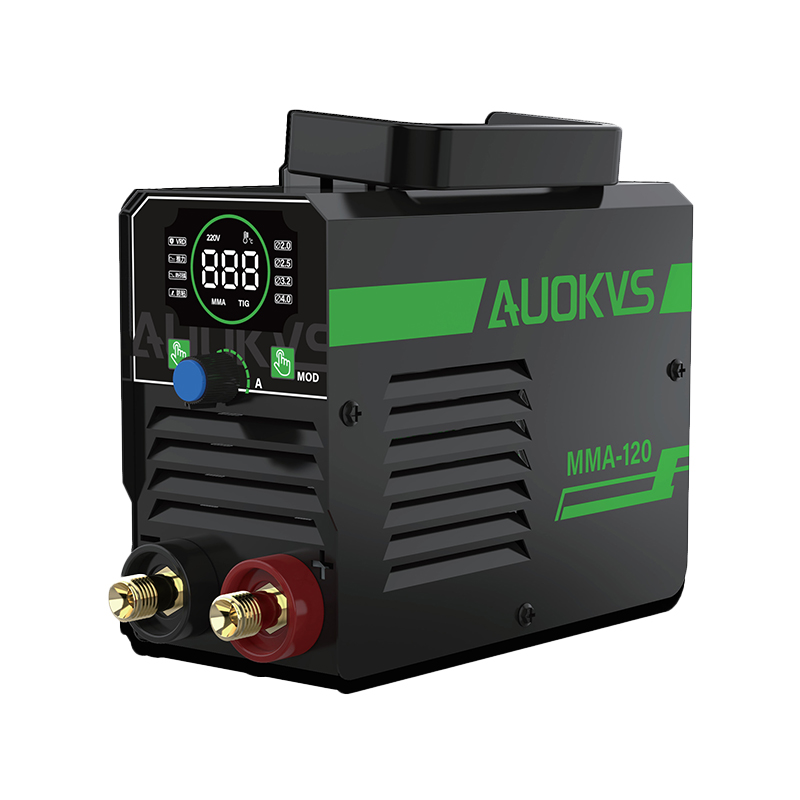
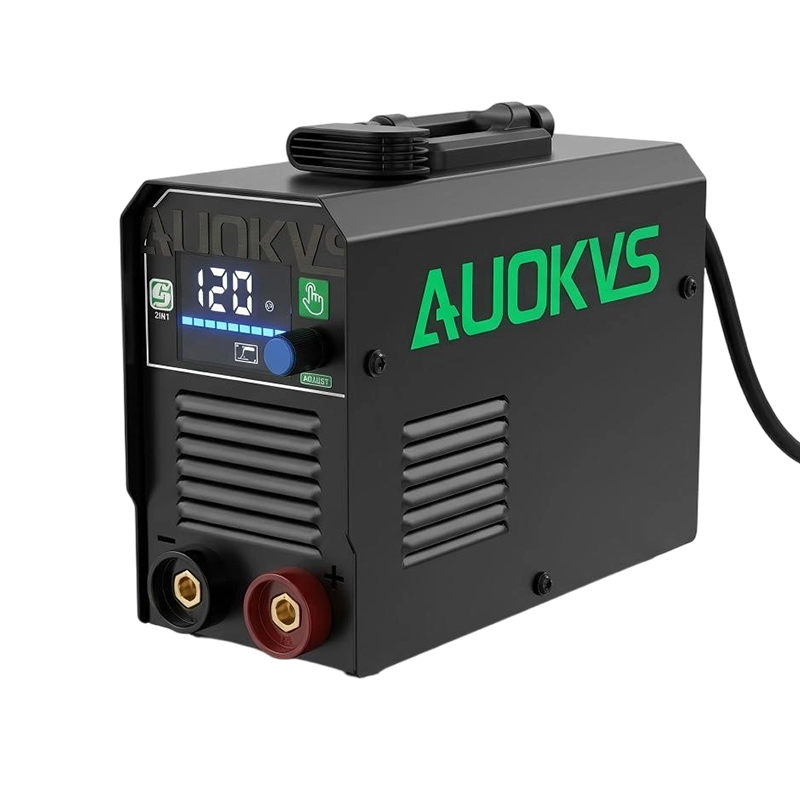
Manual welding equipment, known for its simplicity and accessibility, is often the one tool that welders learn to use. It involves the use of an electrode, which is fed into the welding arc and acts as the filler material. This process is also known as shielded metal arc welding (SMAW) and is characterized by its portability and low equipment cost. The process is widely used for applications that require a high level of control and precision, such as in the construction of bridges, ships, and other heavy structures.
One of the key advantages of manual welding is its adaptability to different materials and thicknesses. Welders can choose from a variety of electrodes, each designed for specific materials, allowing for a high degree of customization in the welding process. This adaptability is particularly important in industries where materials vary widely, such as in the automotive and aerospace sectors.
Manual welding also offers a high level of control over the welding process. The welder has direct control over the speed of the weld, the angle of the electrode, and the distance from the workpiece. This level of control is essential for achieving high-quality welds, especially in applications where the weld's integrity is critical to the structure's safety and longevity.
In terms of economy, manual welding equipment is relatively inexpensive compared to other welding technologies. This cost-effectiveness makes it an attractive option for small businesses and hobbyists who may not have the budget for more expensive equipment. Additionally, the consumables, such as electrodes and shielding gases, are also relatively inexpensive, further reducing the overall cost of the welding process.
Manual welding's portability is another significant advantage, especially in field operations where large, stationary welding machines are not practical. Welders can easily transport manual welding equipment to remote locations, making it ideal for maintenance and repair work in industries such as oil and gas, where equipment may be located in hard-to-reach places.
The skill required to perform manual welding is another aspect that contributes to its enduring popularity. Welders who master the technique often find that they have a deeper understanding of the welding process, as they are more directly involved in every aspect of the weld. This hands-on experience can cause a greater appreciation for the craft and can be a source of pride among welders.
However, manual welding is not without its challenges. The process can be physically demanding, as welders must hold the electrode and control the welding torch for extended periods. Additionally, the arc flash and fumes produced during the process can pose health risks if not properly managed. Therefore, welders must adhere to strict safety protocols, including the use of protective clothing and equipment.
Manual welding equipment remains a vital tool in the welding industry due to its versatility, cost-effectiveness, and the level of control it offers to the welder. Despite the rise of more advanced welding technologies, manual welding continues to be a preferred method for many applications, and its importance is unlikely to diminish in the foreseeable future. The skill and craftsmanship involved in manual welding are part of what makes it an art form, and as such, it will continue to be a valued practice among professionals and enthusiasts in the welding community.
 Previous