EN
EN English
 Español
Gas shielded welding machines are an essential part of modern welding technology, providing a reliable method for joining metals with high precision and quality. These machines use a shielding gas to protect the welding area from atmospheric contamination, ensuring a strong and stable weld.
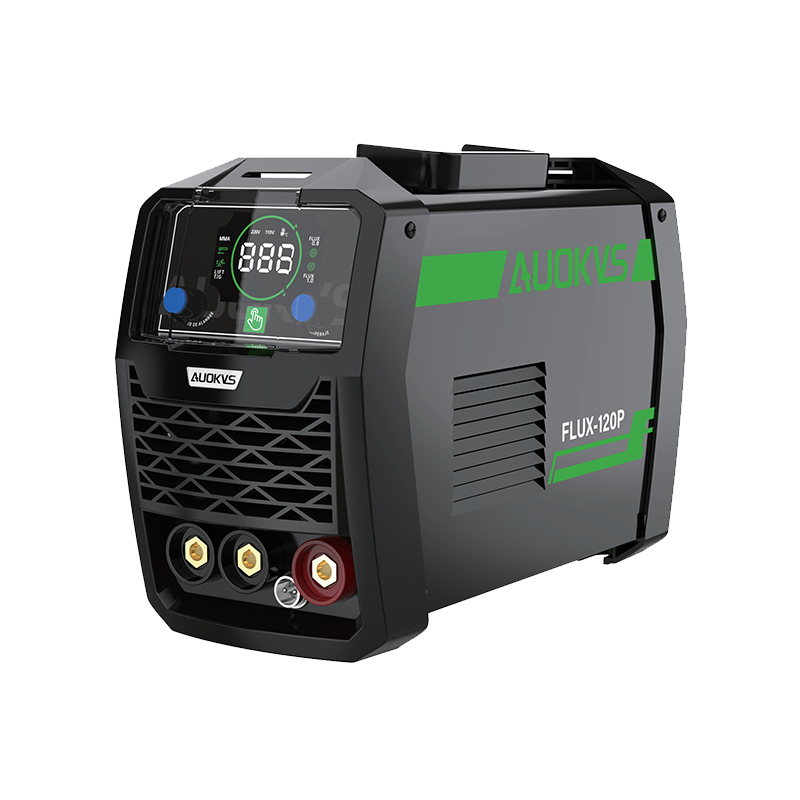
Gas shielded welding, which includes processes like Tungsten Inert Gas (TIG) and Metal Inert Gas (MIG) welding, has come a long way since its inception. Initially developed to improve the quality of welds in critical applications, these methods have now become standard in industries such as automotive, aerospace, shipbuilding, and construction. The use of an inert or semi-inert shielding gas, like argon or a mix of argon and carbon dioxide, creates a stable atmosphere around the weld pool, preventing oxidation and other defects that can occur from exposure to air.
The TIG welding process, known for its precision and control, involves the use of a non-consumable tungsten electrode and a separate filler material. This process is particularly useful for welding thin materials and for applications where high-quality, aesthetically pleasing welds are required. TIG welding is often chosen for aluminum and magnesium alloys, as well as for stainless steel and other materials that are difficult to weld with other methods.
MIG welding, on the other hand, uses a consumable wire electrode and is more automated than TIG welding. This makes it faster and more suitable for high-production environments. MIG welding is widely used in the fabrication of steel structures, automotive bodies, and various other applications where speed and economy are important factors.
One of the significant advantages of gas shielded welding machines is their ability to adapt to various materials and thicknesses. With the right equipment and settings, these machines can handle a wide range of materials, from thin sheets to thick plates. This flexibility makes gas shielded welding machines a valuable asset in any workshop or fabrication facility.
Technological advancements have also played a crucial role in improving the performance and capabilities of gas shielded welding machines. Modern machines often feature digital controls, which allow for precise adjustments to welding parameters such as voltage, wire feed speed, and gas flow. These adjustments can be tailored to specific materials and joint configurations, ensuring suitable weld quality and consistency.
Another area of technological improvement is in the development of advanced gas mixing and flow control systems. These systems ensure a consistent and stable gas shield, which is crucial for the quality of the weld. Some machines also include features like gas pre-flow and post-flow, which help to further purge the welding area of contaminants before and after the welding process.
Safety has always been a priority in the welding industry, and gas shielded welding machines are no exception. Modern machines are designed with safety features such as automatic shut-off when the welding torch is not in use, reducing the risk of gas leaks and fire hazards. Additionally, fume extraction systems are often integrated into the welding setup to protect welders from exposure to harmful fumes and gases.
Gas shielded welding machines have evolved to become a staple in the welding industry due to their versatility, precision, and the high quality of welds they produce. As technology continues to advance, these machines are becoming more user-friendly, efficient, and safe. Their ability to adapt to a wide range of materials and applications makes them an indispensable tool for professionals in various fields. The future of gas shielded welding machines looks promising, with ongoing research and development aimed at further enhancing their capabilities and expanding their applications.
 Previous