EN
EN English
 Español
Welding equipment is often selected according to the place where the work happens rather than a simple comparison of machine functions. A maintenance worker repairing a damaged steel bracket outdoors, a workshop operator joining metal frames, and a technician handling small fabrication tasks may all need welding equipment, yet the working requirements behind each task are different.
A welding process can change significantly when the material surface, joint location, working angle, and surrounding environment are different. A clean metal plate placed on a stable workbench provides a different welding situation from a rusty component removed from outdoor equipment. The same settings and operating habits may not produce the same result in both cases.
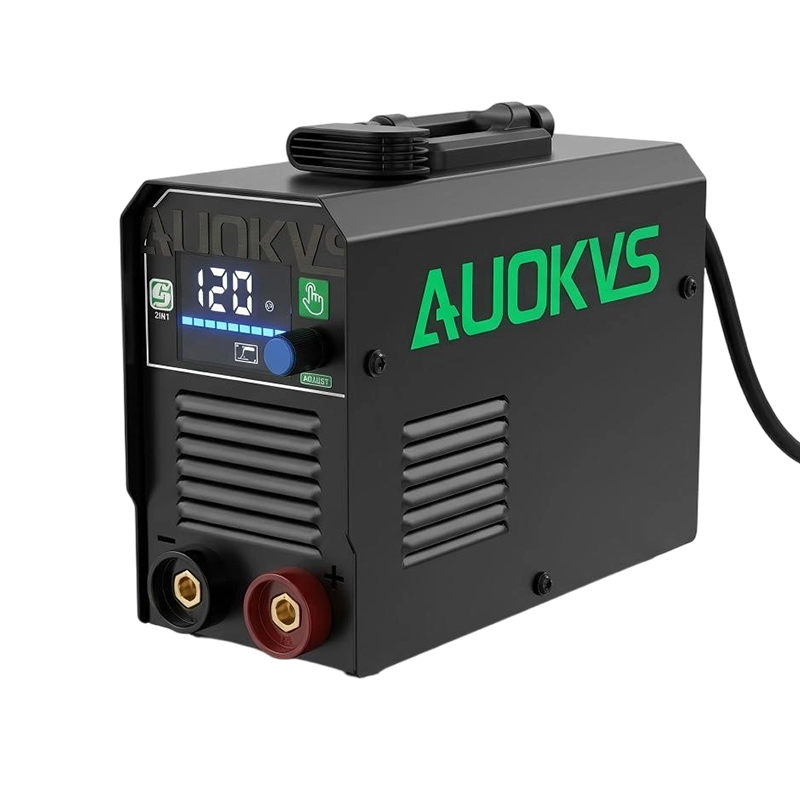
A MMA DC Welding Machine is used in many manual welding applications because direct current output allows operators to adjust welding methods according to actual working conditions. The equipment is often considered for repair work, maintenance operations, and metal fabrication tasks where movement flexibility and manual control are required.
Before welding begins, checking the relationship between material, workplace, electrode, and welding position can prevent unnecessary adjustments during operation. Proper preparation often has a greater influence on the welding process than changing equipment during the task.
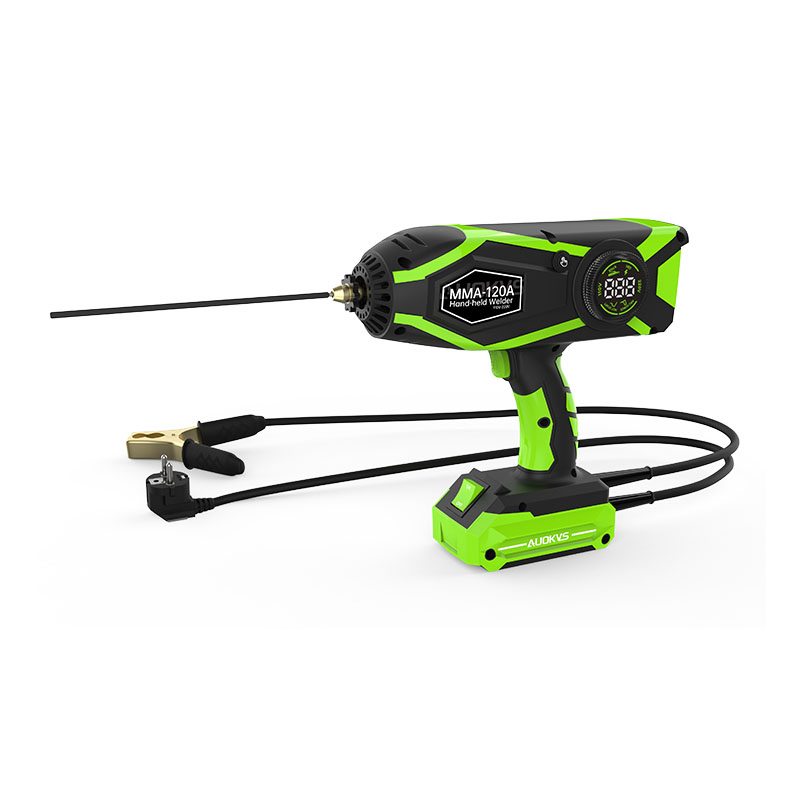
What Materials Are Suitable For DC Welding Applications
Material condition is usually checked before any welding operation starts. In practical work, the material itself rarely arrives in an ideal state. Metal parts may have surface oxidation, old coating, oil marks, or uneven edges caused by previous use. Such conditions can influence arc starting and the way heat spreads through the workpiece.
Steel parts are frequently involved in repair and fabrication projects because many machines, supports, frames, and tools contain steel components. A cracked support plate on industrial equipment may require controlled heat input to avoid additional deformation, while a thicker structural part may require slower welding movement to achieve proper connection.
Material thickness is one of the factors that changes welding requirements. Thin metal sections usually need careful control because heat can quickly affect the surrounding area. During sheet metal repair, excessive heat concentration may cause bending or surface changes. Operators often use shorter welding movements and allow the material to cool during the process.
Thicker metal components create a different situation. Heat needs to reach deeper into the joint area, which means welding speed, electrode angle, and preparation method become important parts of the work.
| Material Situation | Possible Welding Concern | Common Working Approach |
|---|---|---|
| Thin metal sheet | Heat may affect surrounding areas | Control welding speed and movement |
| Thick metal component | Joint area may require deeper heat control | Adjust welding method according to thickness |
| Rusted surface | Arc starting may become unstable | Clean contact area before welding |
| Complex joint shape | Access angle may limit movement | Plan welding direction before operation |
Surface preparation is often overlooked during simple repair work. A metal part covered with rust or contamination may still appear suitable for welding, although the welding process can become harder to control. Removing unwanted material around the joint area creates a cleaner connection and allows the welding arc to work more consistently.
Electrode selection also follows material conditions. Different metals and joint requirements may require different electrode characteristics. A suitable match between workpiece, electrode, and welding output helps reduce problems during manual welding.
How Do Welding Positions Change Equipment Requirements
The position of a welding joint changes the difficulty of the task. A repair job performed on a flat surface usually gives operators better visibility and easier control, while welding on vertical or overhead sections requires more attention to movement and heat control.
Flat welding is common in workshops where metal parts can be fixed on a working table. Since the welding area is easier to observe, operators can adjust electrode movement based on changes in the weld pool and maintain a steady working rhythm.
Vertical welding appears frequently during equipment installation and structural maintenance. For example, repairing a vertical support frame requires control over the direction of electrode movement because molten metal naturally moves downward under gravity. Welding speed that works on a flat surface may need adjustment when the same material is positioned vertically.
Overhead welding creates another working condition. Large machines, pipelines, or fixed structures cannot always be moved into a convenient position, which means welding may need to be completed from below. In such situations, preparation before starting becomes important because limited visibility and uncomfortable working angles can increase operation difficulty.
A MMA DC Welding Machine can be applied in different welding positions when equipment settings and operating methods are adjusted according to the actual location of the joint. The machine provides the welding power, while the final welding result depends on how well the equipment, material, and working method are matched.
Which Workplace Conditions Affect Welding Performance
The workplace often determines how a welding task is organized. A fixed workshop and a temporary outdoor repair area may involve the same type of metal connection, yet the preparation process can be completely different.
Indoor workshops usually allow easier organization of tools, cables, and materials. A stable work surface makes it easier to maintain a consistent welding position, while proper ventilation helps remove smoke generated during welding.
Outdoor repair work introduces more variables. Equipment maintenance near construction areas, farms, or large machines may involve dust, wind, moisture, and limited working space. These conditions can affect electrode handling and make it harder to maintain a steady welding process.
Several practical factors need attention during outdoor welding:
- Cable arrangement
Poor cable placement can restrict movement and create unnecessary difficulties during operation.
- Workpiece position
Large components that cannot be moved require careful planning of welding direction and access points.
- Weather influence
Wind and moisture may interfere with welding preparation and equipment protection.
- Storage condition
Welding equipment and accessories need proper storage after use, especially when working between different locations.
In repair environments, welding equipment is often moved from one workplace to another. Easy preparation, suitable protection, and regular inspection become part of normal maintenance routines rather than additional steps.
How Do Electrodes Influence Welding Process Selection
Electrode selection is closely connected with welding conditions. During manual welding, the electrode not only provides filling material but also affects arc behavior, slag formation, and operator control.
A common mistake in welding preparation is focusing only on the material while ignoring the working environment. A suitable electrode for a clean workshop project may not always provide the same handling experience during outdoor repair work where surface conditions and storage conditions are different.
Before welding begins, several points are usually checked:
- Material type of the workpiece
- Joint position
- Surface preparation level
- Welding direction
- Storage condition of electrodes
Moisture exposure is one factor that may influence electrode performance. Electrodes stored in unsuitable conditions may create unstable welding behavior during use. Proper storage helps maintain more consistent working conditions.
The connection between electrodes and a MMA DC Welding Machine influences how easily operators can control the welding process. When electrode characteristics, material requirements, and equipment output match each other, fewer adjustments are needed during operation.
What Settings Help Keep Welding Work Steady
Welding settings rarely need to stay fixed from start to finish, especially in repair work where one joint may be thin, another may be thick, and the surface condition can change without warning. A cracked support on farm equipment, a worn frame in a workshop, or a damaged metal bracket on a machine part may all ask for different handling, even when the same welding method is used.
Current is usually adjusted together with movement speed and electrode angle, since heat does not spread in a neat and even way across every workpiece. A thin sheet reacts fast, so too much heat can leave a visible trace on the surrounding area, while a heavier joint may need a slower hand and a steadier pass to bring enough heat into the connection zone. In real work, the setting is often not chosen once and left alone; it tends to change slightly after the arc starts and the metal begins to respond.
Joint shape also matters more than many people expect. A simple open edge is easier to handle than a narrow corner or a repair spot with worn edges, old weld marks, or uneven cut surfaces. A MMA DC Welding Machine is useful in that kind of setting because manual control stays in the operator’s hand, which makes small adjustments possible during the job rather than forcing the workpiece to fit a rigid process.
Why Arc Control Matters So Much
Arc control is one of those parts of welding that sounds technical, yet in actual work it shows up in simple ways. A stable arc makes the weld easier to keep in shape, while an unstable one can cause sticking, spatter, poor fusion, or a joint that looks uneven even before close inspection. The difference becomes clearer during repair jobs, where the metal surface is not always clean, flat, or freshly prepared.
Distance between electrode and workpiece changes the arc immediately. A short distance can make the operation feel crowded and harder to guide, while a long distance makes the weld less controlled and more difficult to read. A worker repairing a machine frame in a narrow maintenance area usually has to adjust hand position carefully because space around the joint may be limited, and even a small change in movement can alter the arc behavior.
Arc control also depends on timing. Travel too fast and the weld may look narrow or weak; travel too slowly and heat may gather in one place, which can create an unwanted change in shape. That is why manual welding is rarely a matter of repeating one motion again and again. The material, the angle, and the condition of the joint all ask for small corrections along the way.
What Usually Needs Checking Before Welding Starts
Preparation often decides whether the welding job feels smooth or troublesome. Loose cable connections, dirty contact points, and poor electrode storage can turn a simple task into a slow one, especially in repair work where the same setup may be used in different places across the day.
The workpiece itself deserves a close look before welding begins. Rust around the joint, leftover paint, oil stains, and dust may not seem serious at a glance, yet each one can change the way the arc behaves. Cleaning does not need to be complicated, though it should be done with enough care to expose the actual metal area that needs joining. That small step often saves time later.
Electrode handling matters in the same way. A dry and properly kept electrode tends to behave more predictably than one stored in a damp corner of a workshop or carried around in poor conditions. In field repair, where tools and materials move from place to place, that detail becomes even more practical. A MMA DC Welding Machine can only work well when the accessories and the surface condition support the process.
What Changes In Outdoor Welding
Outdoor welding adds a layer of uncertainty that does not appear in a controlled workshop. Wind can disturb the arc area, dust can settle on the joint again after cleaning, and moisture can affect both the workpiece and the storage condition of accessories. A repair task beside a road barrier, a construction frame, or a metal gate often brings these conditions together.
Ground condition also matters. Uneven footing makes body position less stable, and once posture becomes awkward, hand movement usually becomes harder to control. A welding task that seems simple on paper may feel very different when done beside a wall, under a machine, or near a fixed structure that cannot be moved.
Outdoor welding work usually runs more smoothly when the surrounding area is checked before starting. A stable standing point, a cleaner joint area, and a sensible cable layout can reduce many of the small interruptions that tend to slow down manual welding. In practice, the machine is only one part of the whole setup; the surrounding conditions shape the final result just as much.
How Operator Habits Affect The Final Weld
Manual welding still depends heavily on hand control and routine habits. Two operators using similar equipment may get different results because one keeps a steadier travel rhythm, while another changes angle too often or moves at a pace that does not match the metal response. Experience becomes visible in the small things: how the electrode is held, how the arc is watched, how the movement changes when the weld pool starts to behave differently.
That is one reason a MMA DC Welding Machine is often used in repair and maintenance work. The equipment gives room for adjustment, and the operator decides how to work within that room. When the joint is awkward, the surface is rough, or the site is not easy to access, the welding result depends less on a fixed setting and more on how carefully the work is handled in real time.
Welding conditions rarely stay ideal, so practical control matters more than theory alone. Material condition, position, environment, and working rhythm all leave a mark on the joint, and the cleaner the preparation, the easier the process usually feels once the arc is struck.
 Previous