EN
EN English
 Español
Evolution of Welding Technology
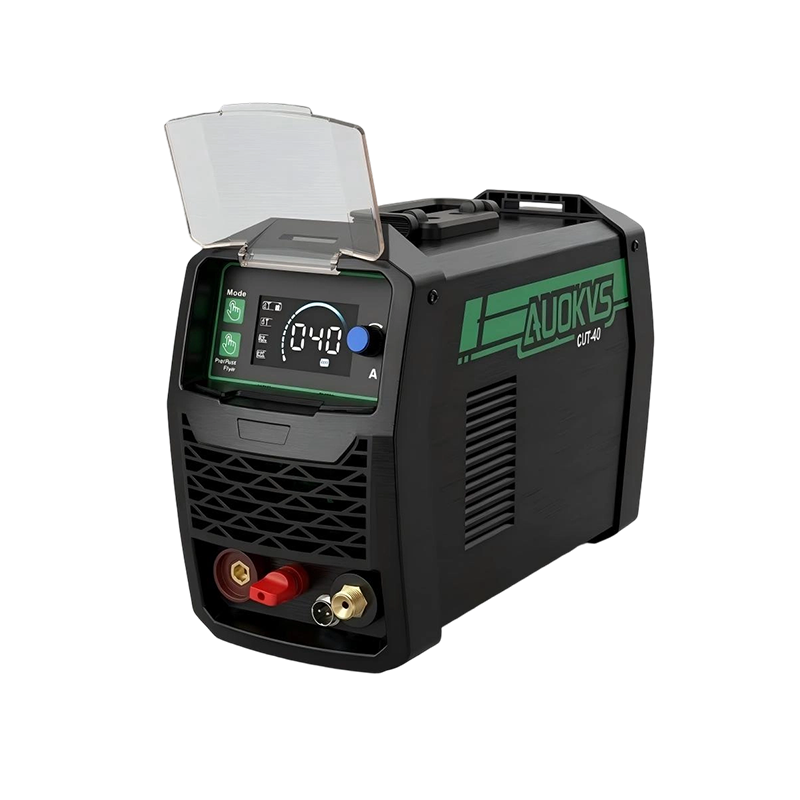
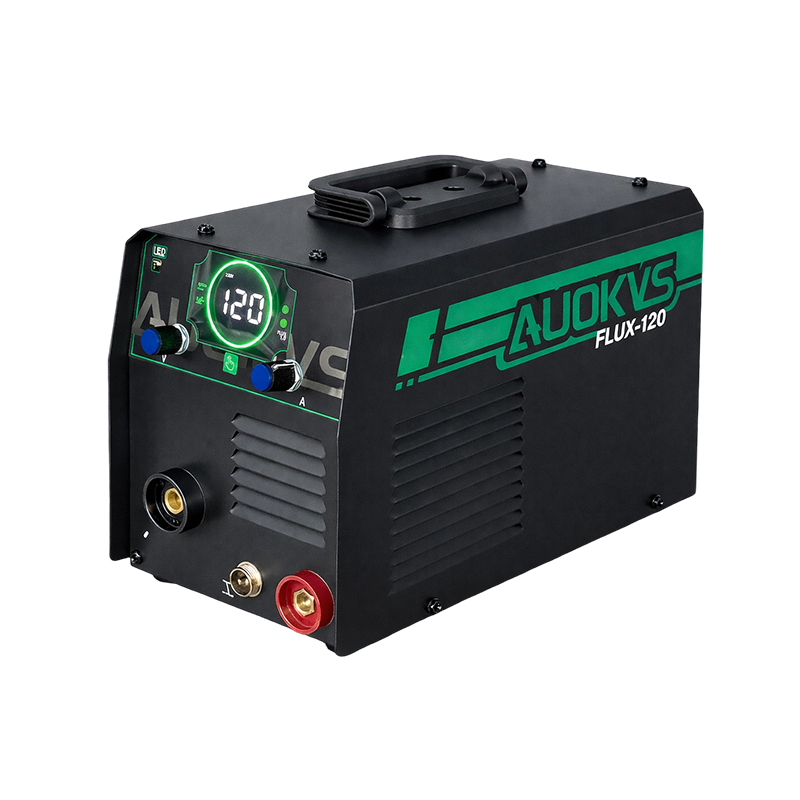
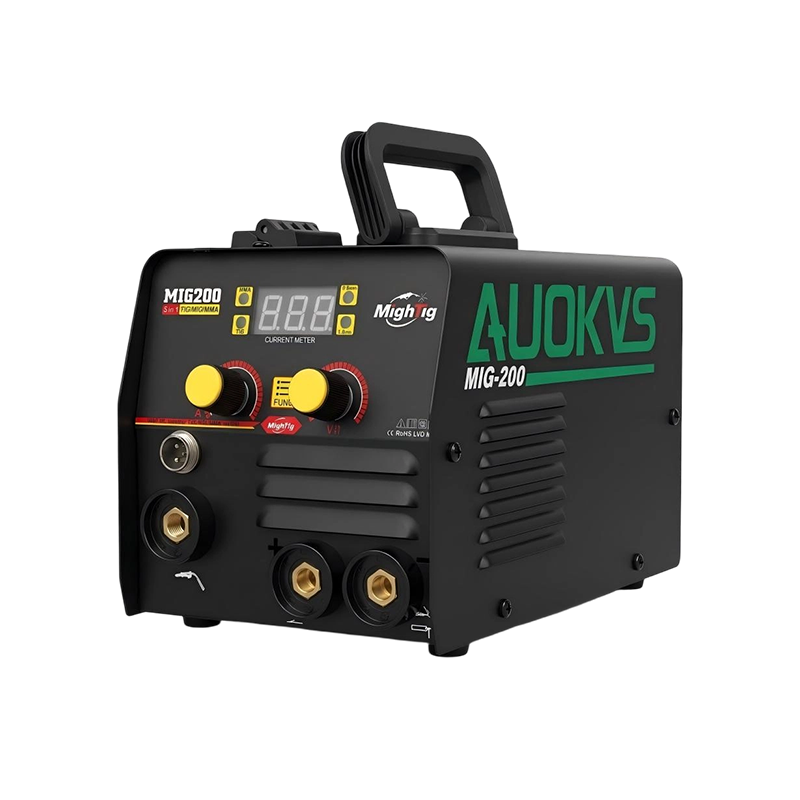
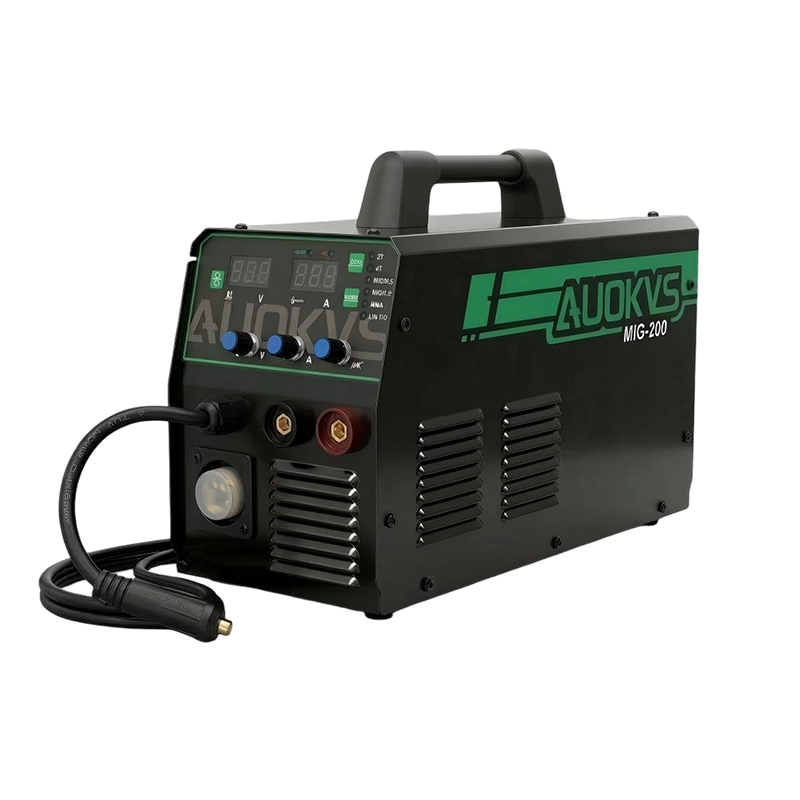
Welding technology has evolved significantly over the past few decades. OEM IGBT Welding Equipment represents one of the advanced solutions available, offering improved efficiency and precision compared to traditional transformer-based welding machines. Understanding the differences between these two types of equipment helps users select the appropriate solution for their projects, whether for industrial production, construction, or repair work.
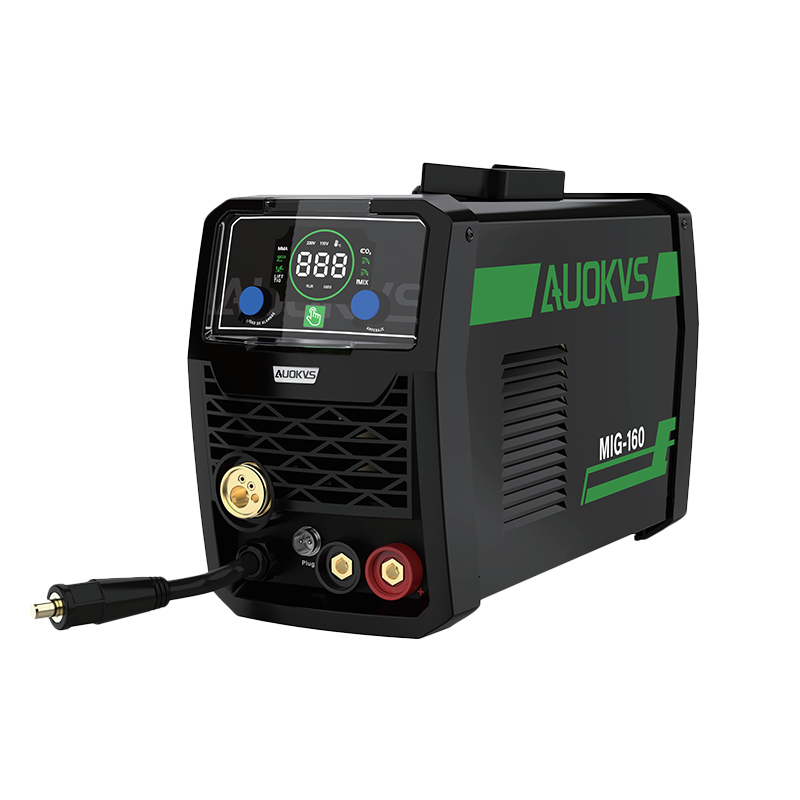
Energy Efficiency and Power Consumption
One of the main advantages of OEM IGBT Welding Equipment over traditional transformer welders is energy efficiency. IGBT (Insulated Gate Bipolar Transistor) technology enables precise control of current and voltage, which reduces energy losses during operation. In contrast, transformer welders consume more power due to their simpler design, often resulting in higher electricity costs over time. For users performing frequent or large-scale welding tasks, the reduced energy consumption of IGBT welders can cause significant savings and lower environmental impact.
Size, Weight, and Portability
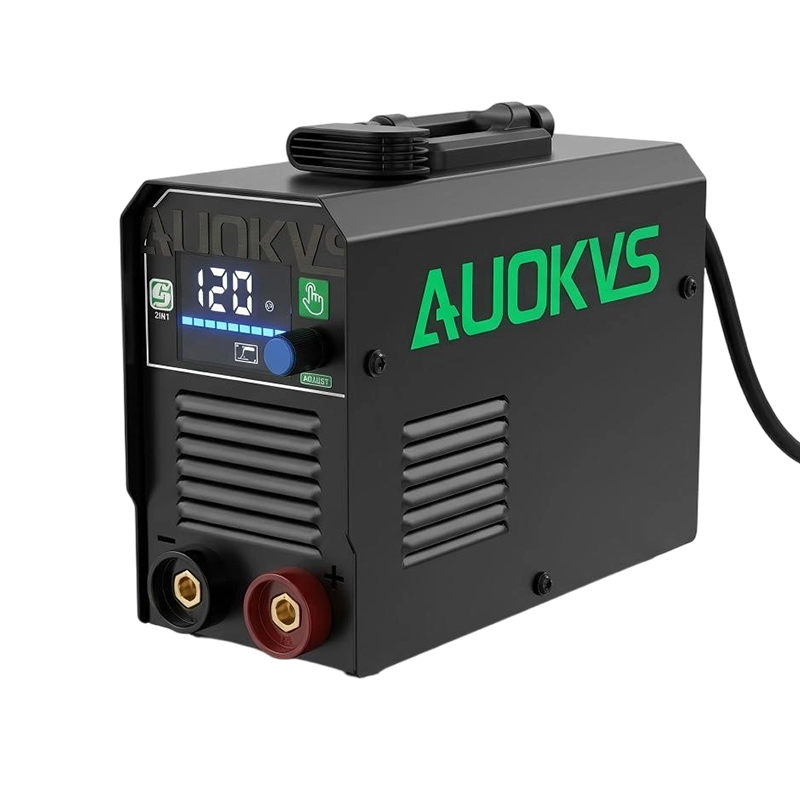
IGBT welders are typically more compact and lightweight than traditional transformer-based machines. The use of semiconductor components allows OEM IGBT Welding Equipment to maintain high performance while reducing overall size and weight. This makes them easier to transport and more suitable for on-site work or small workshops. Transformer welders, in comparison, are bulkier and heavier, making mobility challenging and requiring more installation space. Portability is a key factor for industries that demand flexibility and frequent relocation of welding equipment.
Weld Quality and Precision
Another critical difference lies in weld quality and precision. OEM IGBT Welding Equipment provides smoother arc control and more stable current output, which reduces spatter and improves overall weld appearance. This precision is particularly important when working with thin materials or critical joints. Traditional transformer welders often produce less stable arcs, causing increased spatter and potential defects. For high-precision applications, IGBT welders offer a clear advantage in terms of consistency and finish quality.
Versatility and Functionality
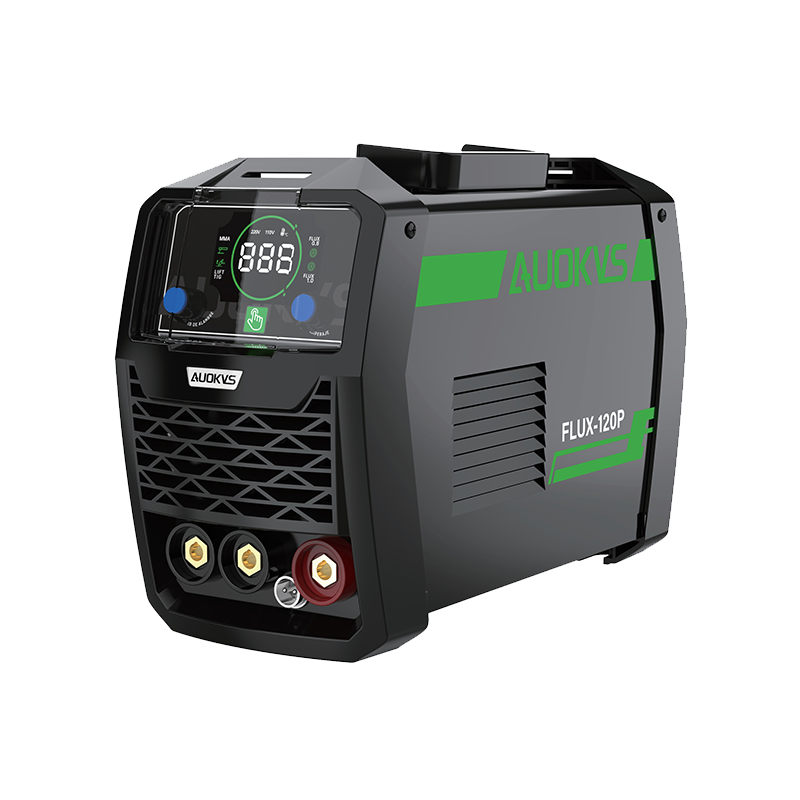
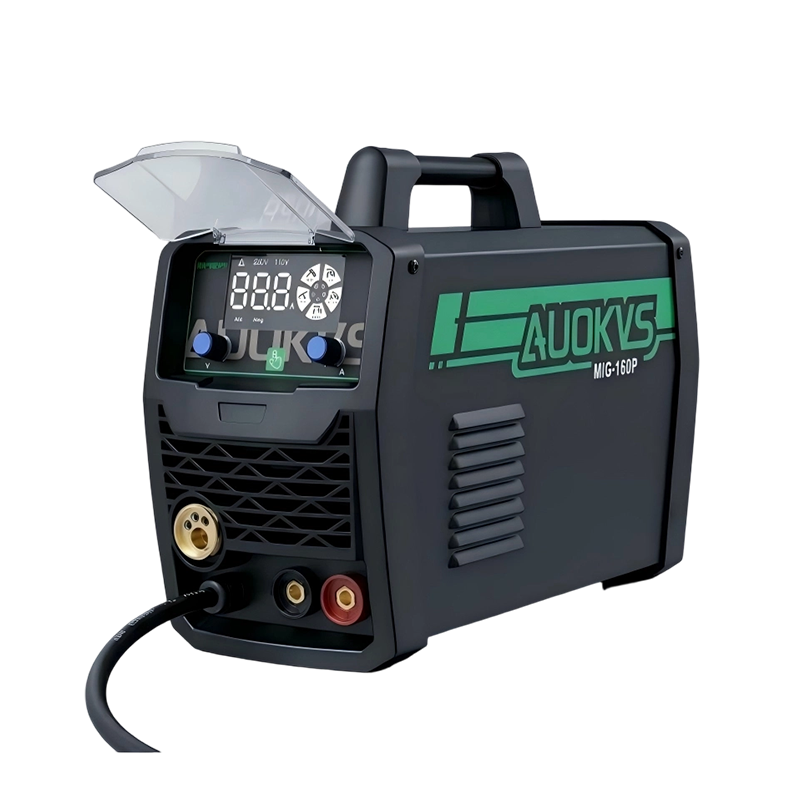
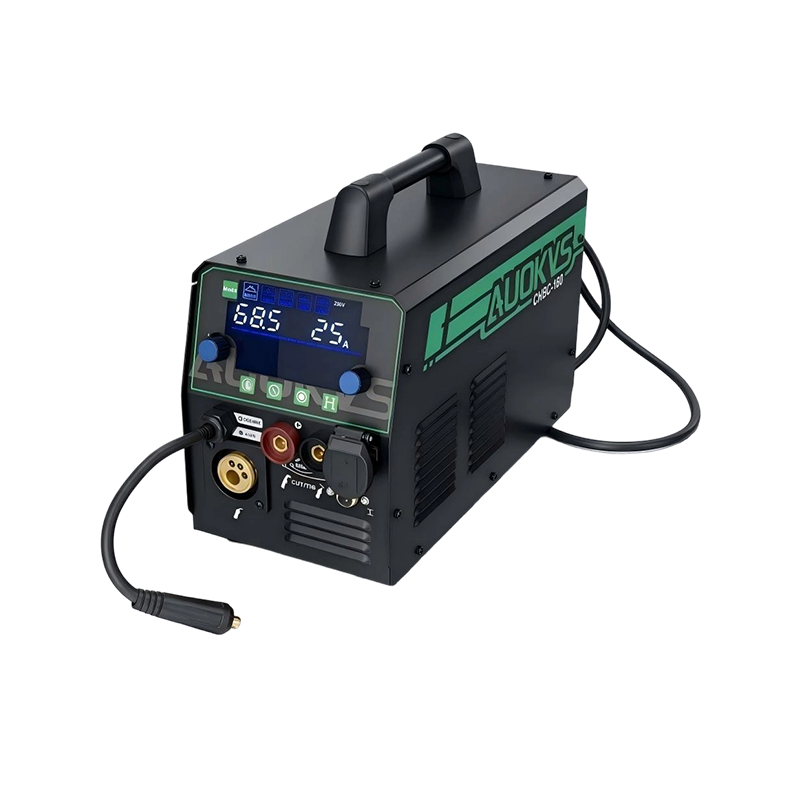
IGBT welders are generally more versatile, supporting a variety of welding processes such as MIG, TIG, and stick welding. Many models include advanced features like pulse welding, adjustable arc control, and multi-process compatibility, making them suitable for diverse materials and applications. Transformer welders, while robust, are usually limited to basic welding processes and may lack advanced control features. Users who require flexibility across multiple welding methods benefit greatly from the technological capabilities of OEM IGBT Welding Equipment.
Durability and Maintenance
Both IGBT and transformer welders are designed for long-term use, but their maintenance requirements differ. Transformer welders have simpler mechanical designs, which can be easier to repair in the field, while IGBT machines rely on sensitive electronic components that require careful handling. However, the advanced electronics in IGBT welders often result in fewer mechanical failures and longer intervals between maintenance. Proper use and regular inspection are important for improving the lifespan of any welding equipment.
Choosing the Right Welding Solution
In summary, OEM IGBT Welding Equipment offers numerous advantages over traditional transformer welders, including higher energy efficiency, portability, precision, and versatility. While transformer welders remain a reliable choice for simple or heavy-duty tasks, IGBT technology provides enhanced performance for modern welding applications. Selecting the appropriate equipment depends on project requirements, material types, and operational priorities, but for industries seeking efficiency, quality, and flexibility, OEM IGBT Welding Equipment is often the preferred solution.
 Previous