EN
EN English
 Español
Introduction to Advanced Welding Solutions
In recent years, welding technology has evolved significantly, offering solutions that cater to both precision and efficiency. Among these innovations, the DC Inverter TIG Welder, Small Pulse TIG Welder, and AC DC Multiprocess Welder have gained widespread recognition for their good performance and versatility. These machines not only streamline the welding process but also enable fabricators to achieve high-quality results with effort. As industries demand greater precision and adaptability, understanding the capabilities of these advanced welders becomes increasingly essential.
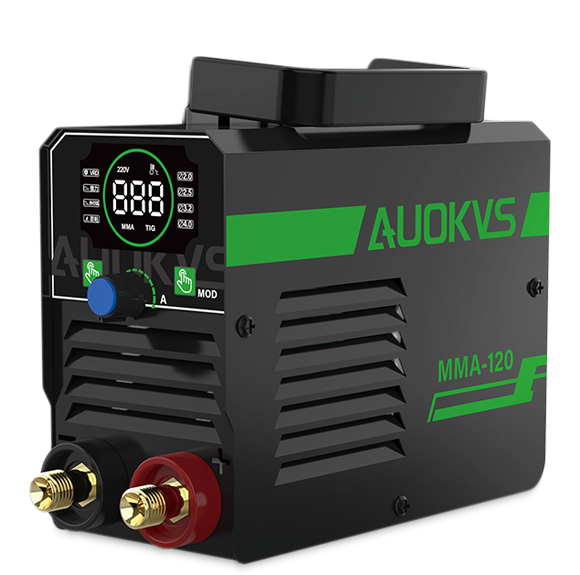
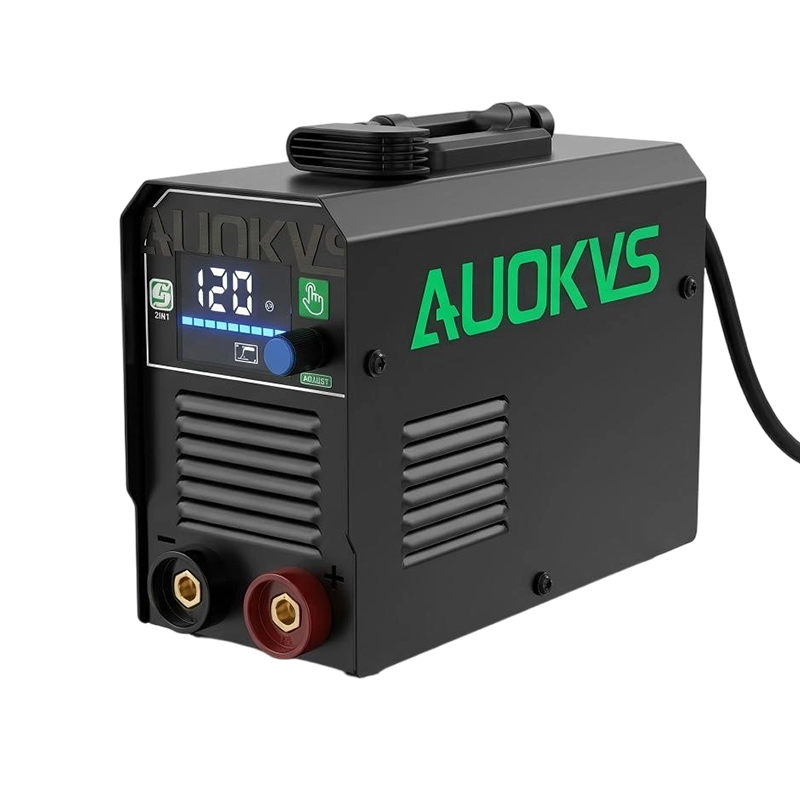
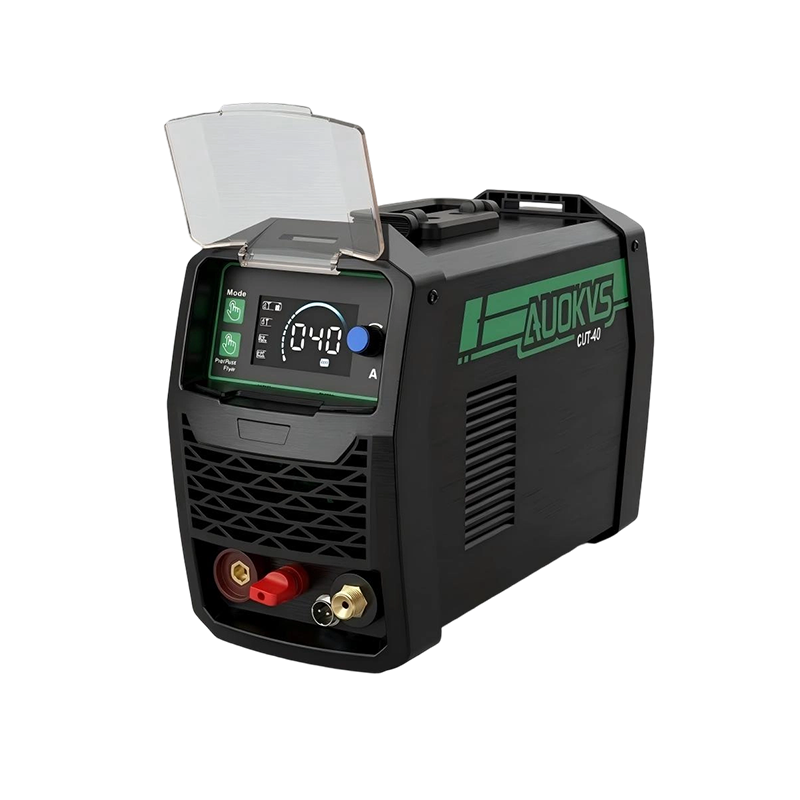
DC Inverter TIG Welder for Precision Work
The DC Inverter TIG Welder has emerged as a critical tool for industries requiring precision welding. Unlike traditional welding machines, this type of welder uses inverter technology to provide stable current control, resulting in cleaner and more consistent welds. Its compact design allows for easy portability, making it suitable for both on-site and workshop applications. The inverter mechanism also contributes to energy efficiency, as it consumes less power compared to conventional welding units. Fabricators appreciate this welder for its ability to handle thin metals and intricate designs without compromising weld quality.
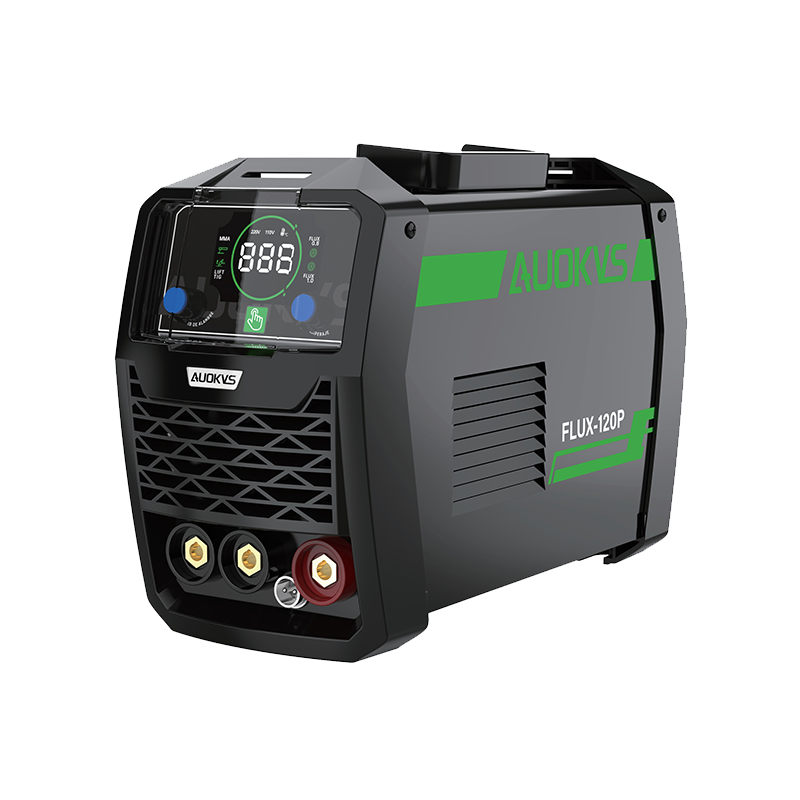
Small Pulse TIG Welder and Its Benefits
The Small Pulse TIG Welder offers a unique approach to tackling delicate welding tasks. By delivering controlled pulses of current, it prevents overheating and warping of the workpiece, which is especially important when working with aluminum or stainless steel. This pulsing technique allows welders to achieve fine bead control, producing aesthetically pleasing and structurally sound joints. The small pulse functionality is also beneficial for repetitive or long-duration welding tasks, as it reduces operator fatigue and enhances productivity. Many precision-driven industries, such as aerospace and automotive manufacturing, rely heavily on this type of welder to maintain stringent quality standards.
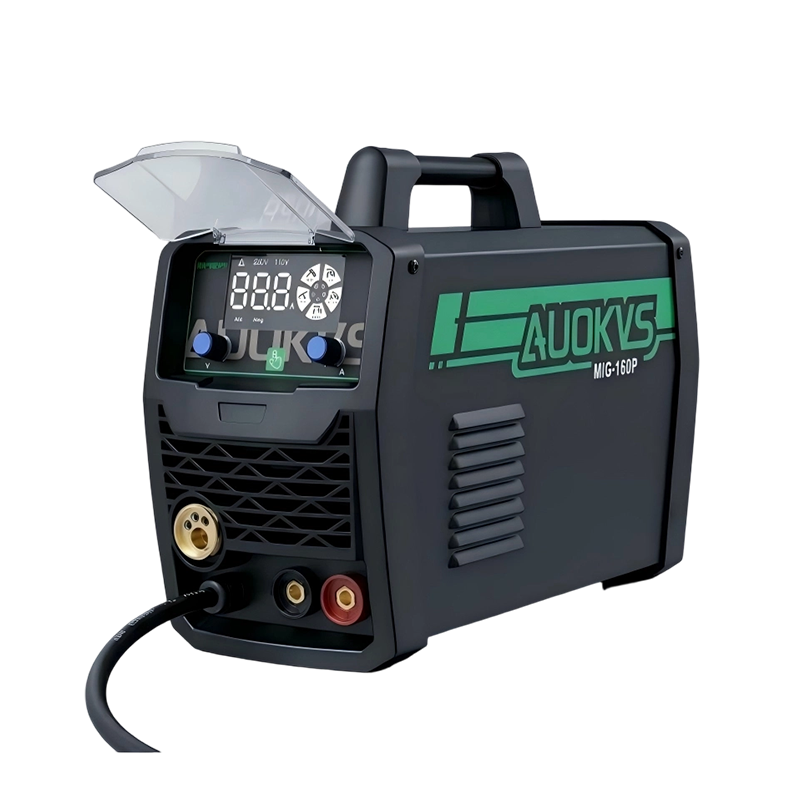
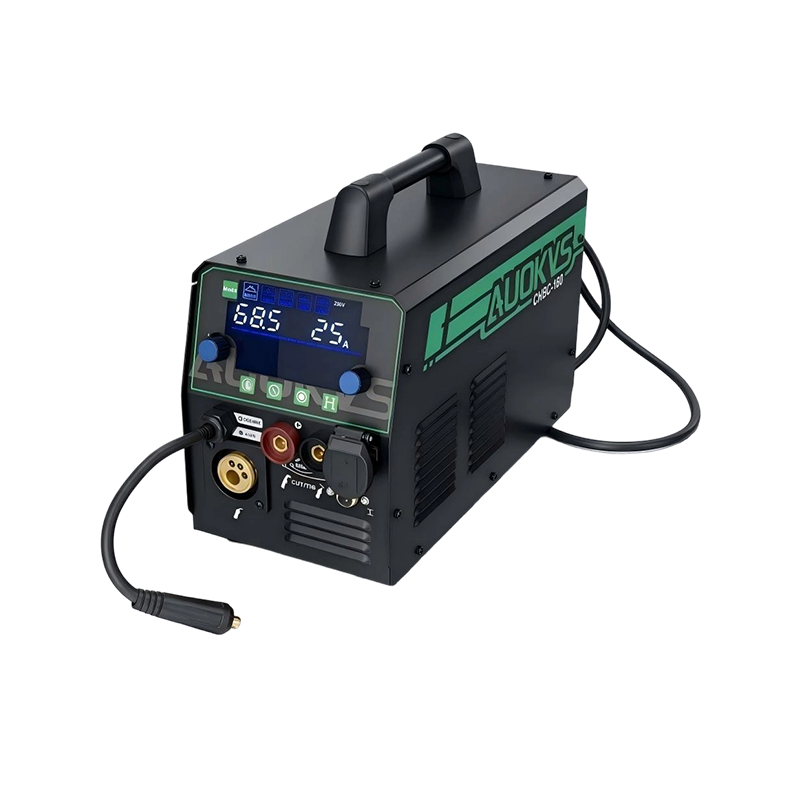
AC DC Multiprocess Welder for Versatility
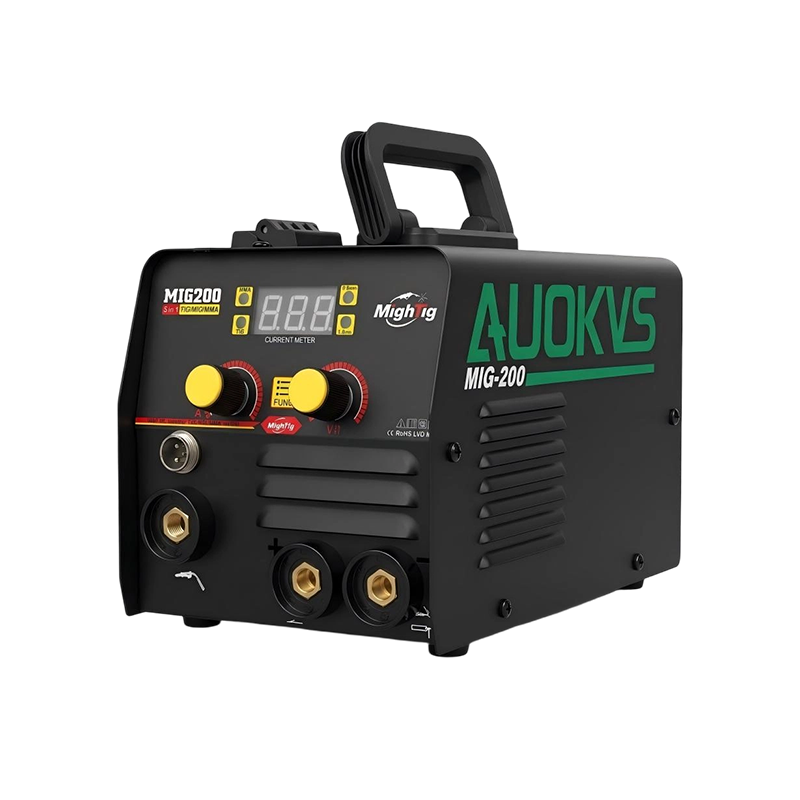
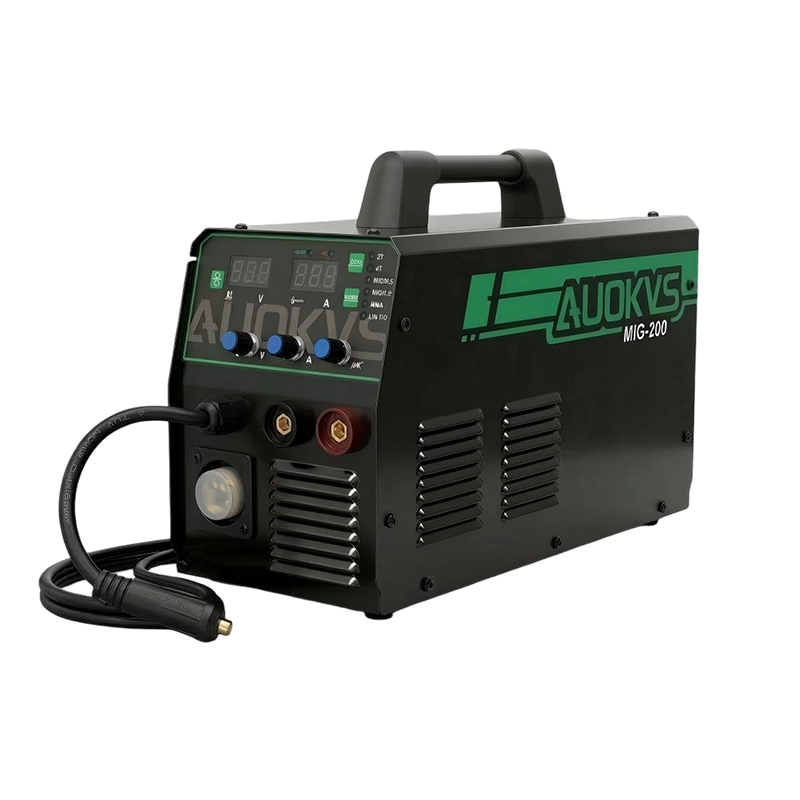
Flexibility in welding applications is crucial for modern fabrication environments, and the AC DC Multiprocess Welder addresses this need effectively. Capable of handling both alternating and direct currents, this multiprocess welder can perform various welding techniques, including MIG, TIG, and stick welding. Its adaptability allows operators to switch seamlessly between different processes depending on the material type and thickness. Additionally, the AC-DC capability makes it ideal for welding non-ferrous metals such as aluminum, where AC is necessary for cleaning the metal surface during the weld. This versatility reduces the need for multiple machines, saving both workspace and investment costs.
Technological Advancements and Industry Impact
The integration of inverter technology, pulse control, and multiprocess capabilities has significantly transformed the welding industry. Modern welders are not only more energy-efficient but also provide enhanced control over the welding arc, resulting in good weld quality. These advancements contribute to faster project completion times and reduced material wastage. Industries ranging from shipbuilding to precision engineering have embraced these welders, recognizing that high-performance welding equipment is a cornerstone of productivity and product well.
The rise of the DC Inverter TIG Welder, Small Pulse TIG Welder, and AC DC Multiprocess Welder represents a pivotal shift in welding technology. These machines combine precision, efficiency, and versatility, meeting the diverse needs of contemporary fabrication industries. As manufacturers continue to demand higher standards of performance and quality, investing in such advanced welding equipment is no longer optional but essential for maintaining a competitive edge.
 Previous