EN
EN English
 Español
Introduction to Evolving Welding Technologies
The DC ARC Welding Machine, the New Generation Welding Machine, and the Laser Welding Machine highlight the diversity and progression in the welding industry. Each of these machines serves different roles, but all share the same purpose of providing precise, reliable, and efficient joining solutions across various industries. With constant advancements in technology, welding equipment has moved far beyond its traditional forms, introducing features that improve accuracy, portability, and adaptability. Understanding these types of machines helps professionals and manufacturers select the option for their specific needs.
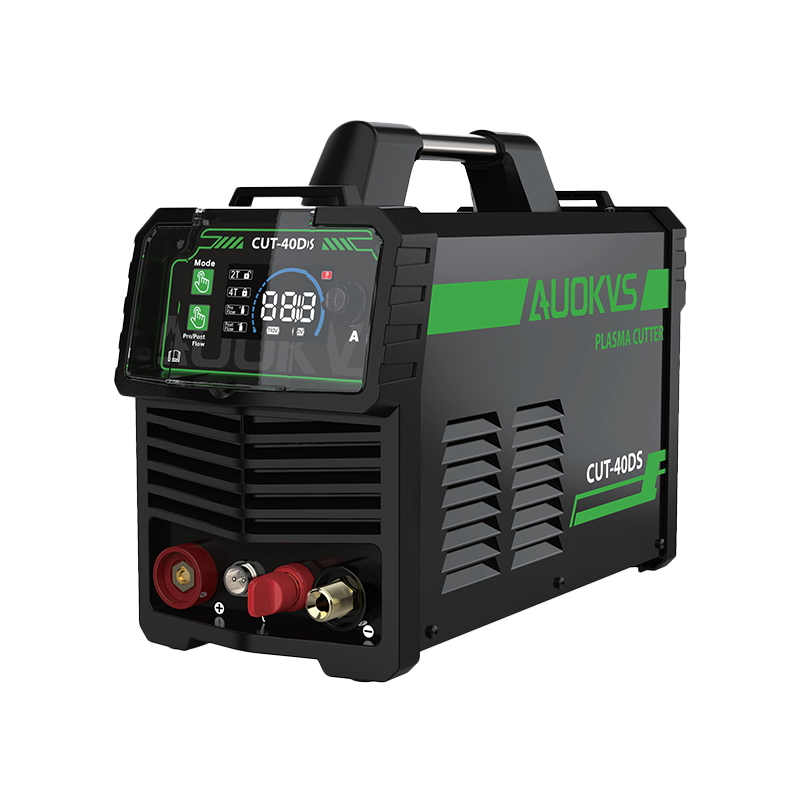
Strengths of DC ARC Welding Machines
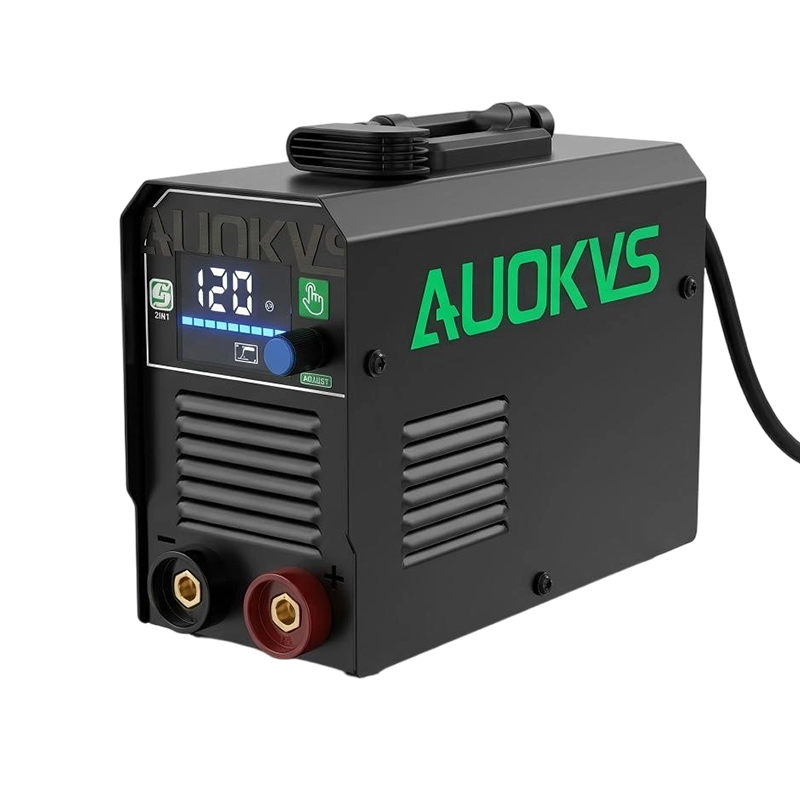
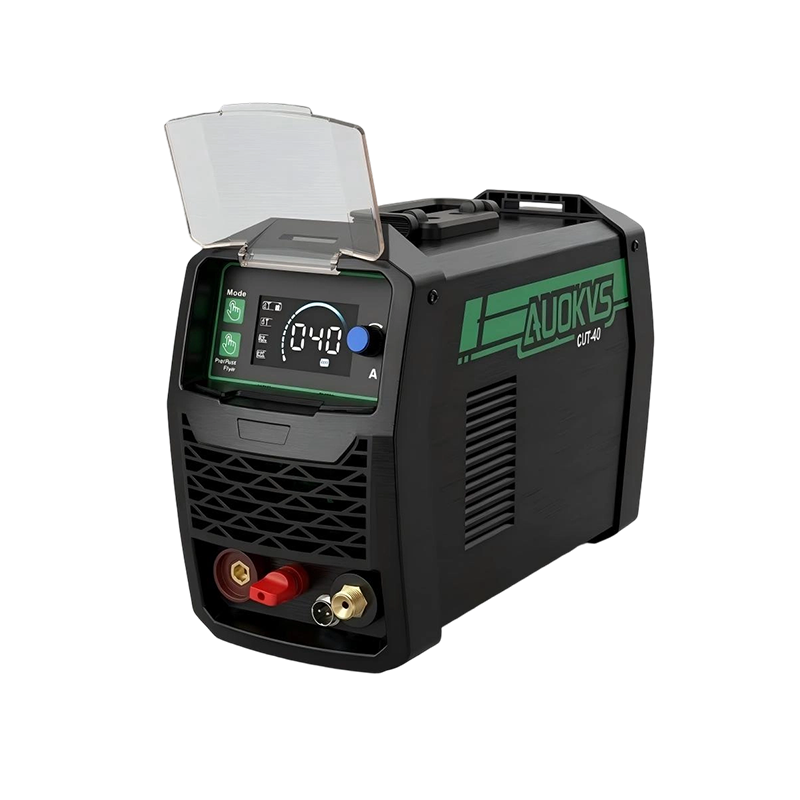
A DC ARC Welding Machine is widely recognized for its stability, penetration control, and ability to handle a range of metals. Using direct current provides smoother arcs compared to alternating current systems, reducing spatter and improving weld appearance. These machines are especially suitable for industrial environments where consistency and precision are critical. From structural steel projects to pipeline construction, DC arc welders ensure dependable results while maintaining efficiency. Their ability to deliver clean welds makes them a cornerstone of traditional welding operations.
Advantages of New Generation Welding Machines
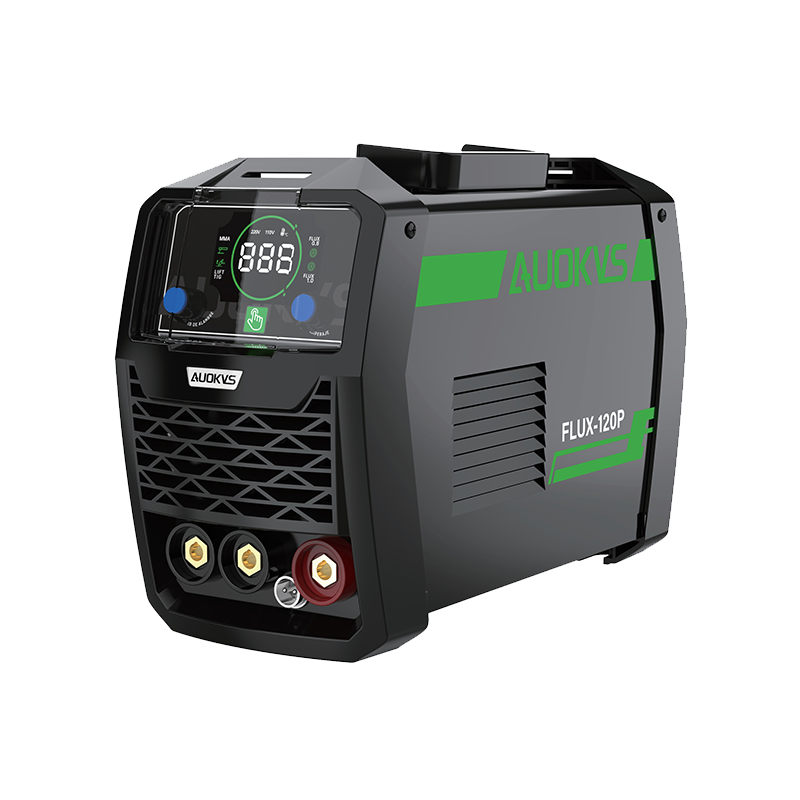
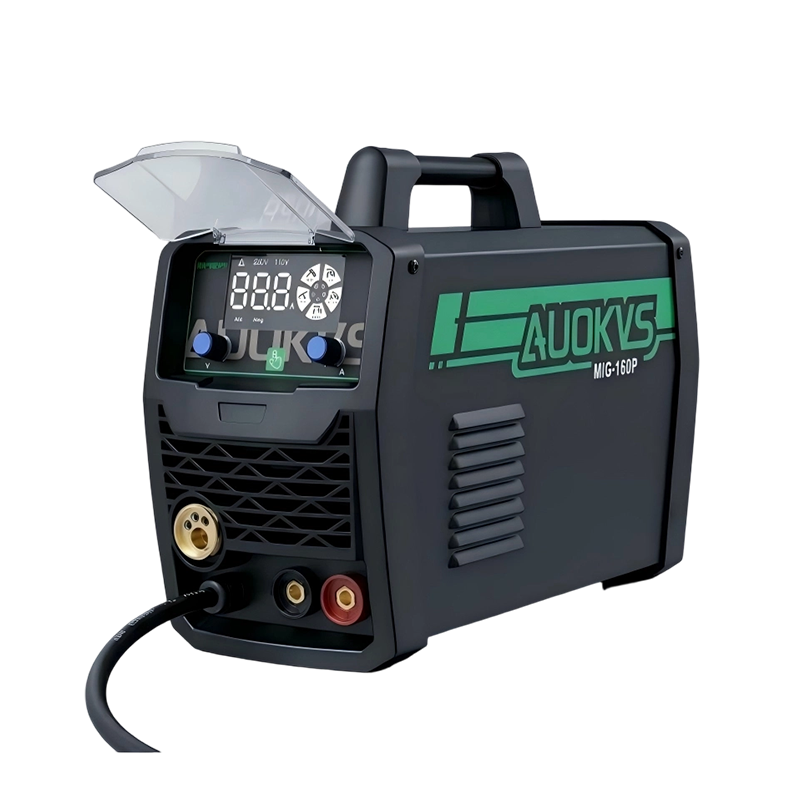
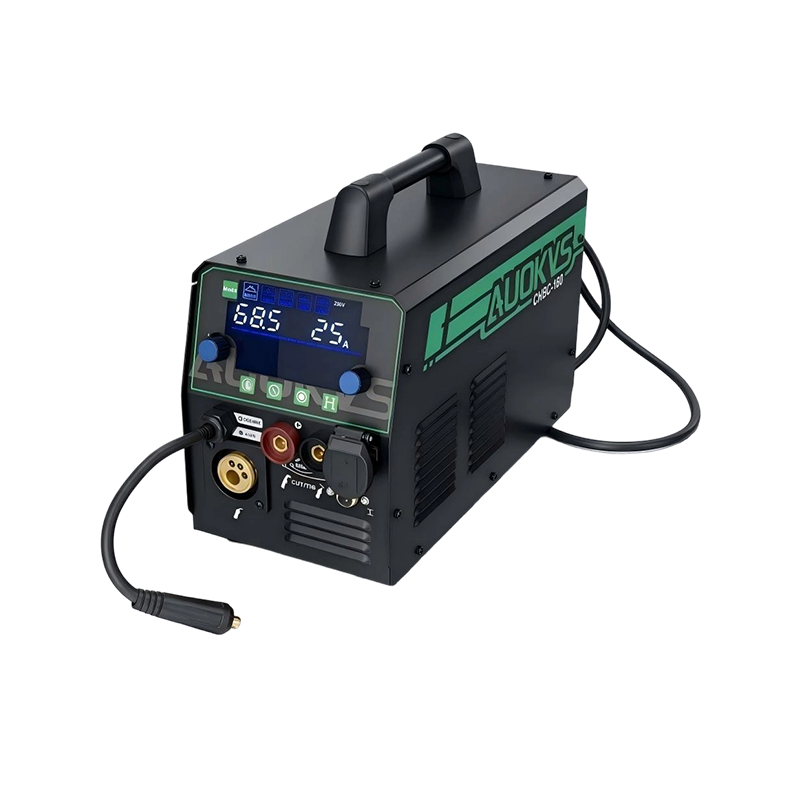
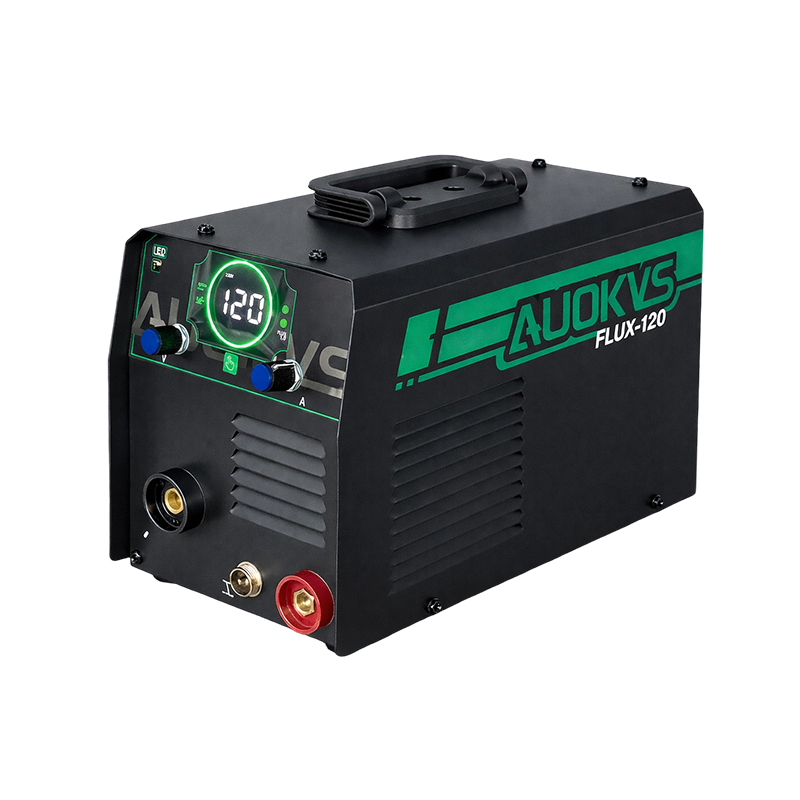
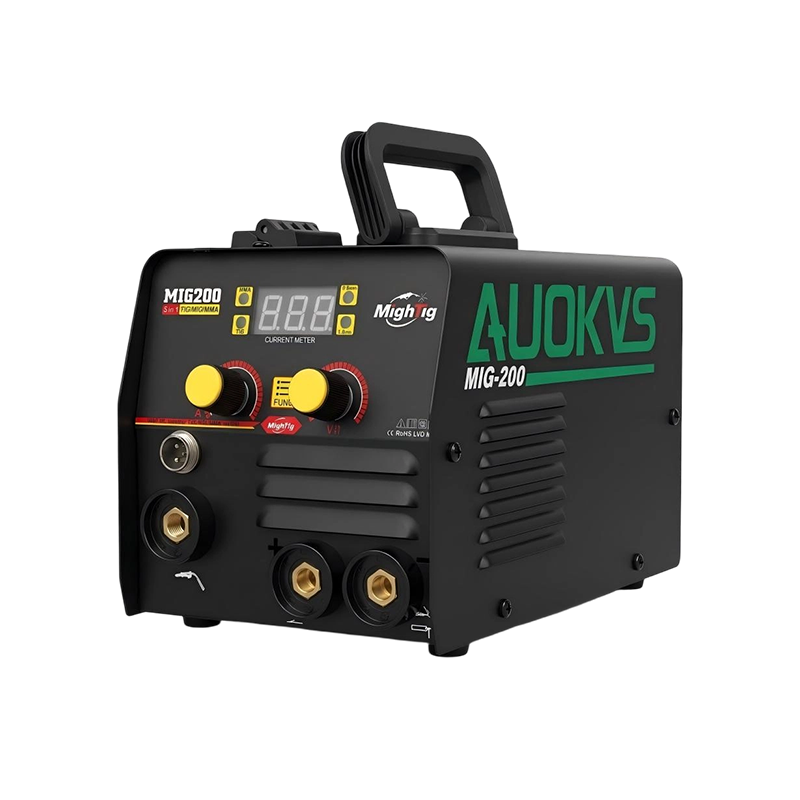
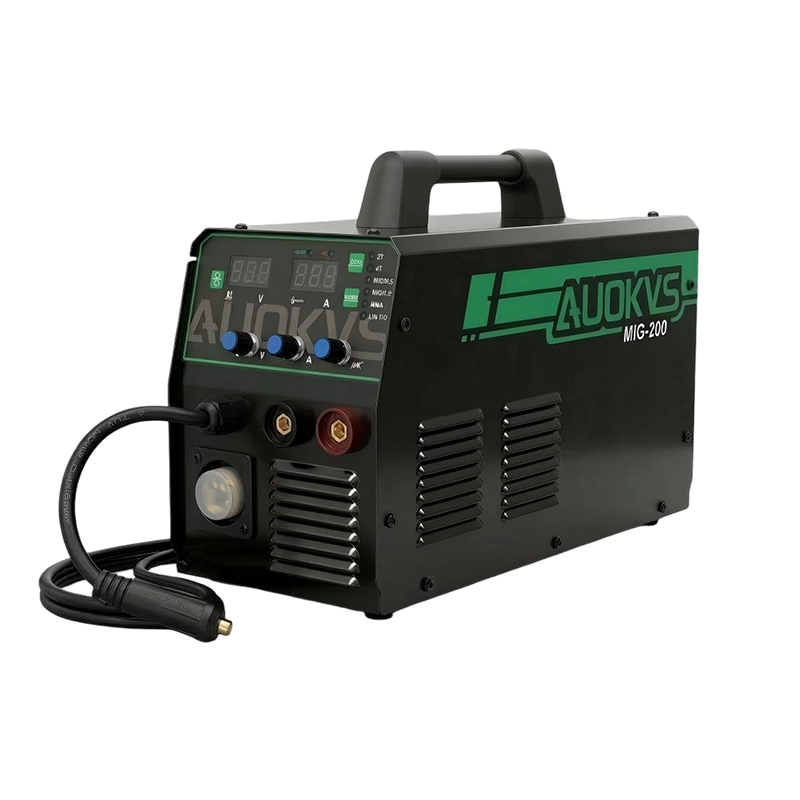
A New Generation Welding Machine is not just about basic function but about integrating digital and automated technologies. These machines often include intelligent control systems, energy-efficient inverter technology, and versatile settings that accommodate multiple welding processes. With user-friendly interfaces and improved safety features, they meet the demands of modern operators who require efficiency, flexibility, and durability. Whether for heavy industrial production or small workshop use, new generation systems represent how innovation transforms performance and reliability in welding.
Precision and Application of Laser Welding
The Laser Welding Machine takes welding into a highly advanced category, relying on concentrated laser beams to fuse materials with pinpoint precision. Unlike traditional methods, laser welding provides minimal heat distortion, making it ideal for industries such as aerospace, electronics, and medical device manufacturing. It offers high-speed welding, deep penetration, and the ability to work with complex geometries or delicate materials. This advanced technology shows how welding has evolved to meet specialized needs, where accuracy and material impact are critical.
Comparing Traditional and Modern Equipment
While each machine has its advantages, their roles differ in practical applications. A DC arc welder remains the dependable workhorse for heavy-duty metalwork. New generation machines bring versatility and intelligent design to workshops, enabling more efficiency with less operator strain. Meanwhile, laser welding systems push the boundaries of precision, catering to industries that demand flawless quality and advanced engineering. By comparing these machines, one can appreciate the range of options available for projects of varying scales and complexities.
Operator Experience and Safety
All three types of machines also focus on improving user experience and safety. DC arc systems are built for durability and straightforward operation. New generation machines incorporate ergonomic controls and automated monitoring systems to prevent errors. Laser welders, though requiring specialized handling, come with advanced safety protocols and enclosed designs to protect operators from high-intensity beams. These enhancements demonstrate that modern welding equipment prioritizes not only performance but also workplace safety.
The Future of Welding Equipment
The development of welding equipment reflects the continuous innovation shaping the manufacturing world. A DC ARC Welding Machine remains essential for its reliability and strength, a New Generation Welding Machine demonstrates adaptability through advanced features, and a Laser Welding Machine represents precision and efficiency. Together, these technologies show how the welding industry balances tradition with innovation, ensuring professionals have the right tools for both everyday work and highly specialized applications.
 Previous