EN
EN English
 Español
Introduction to Multi-Process Welding
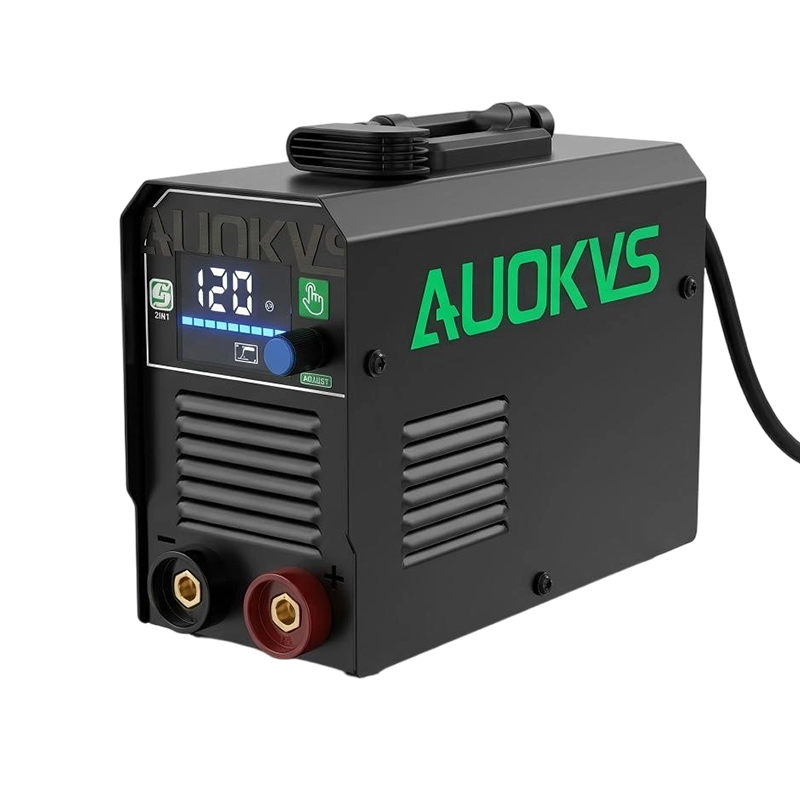
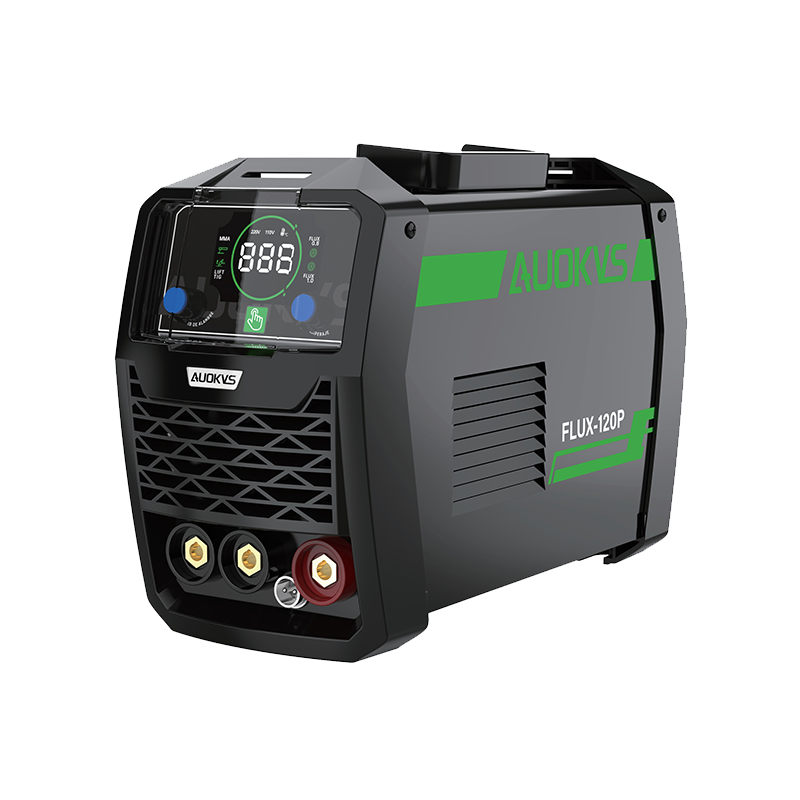
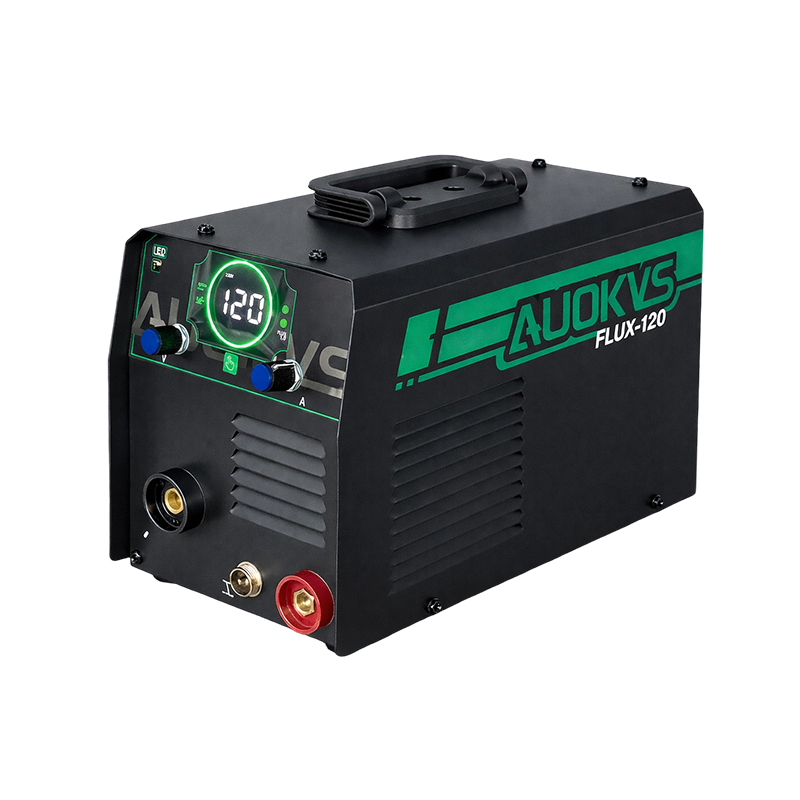
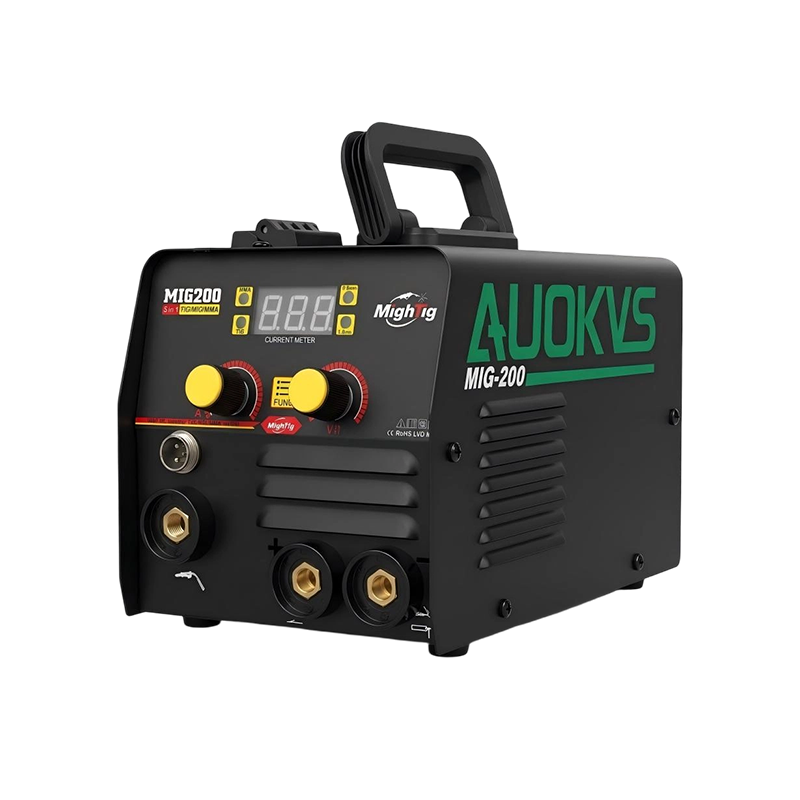
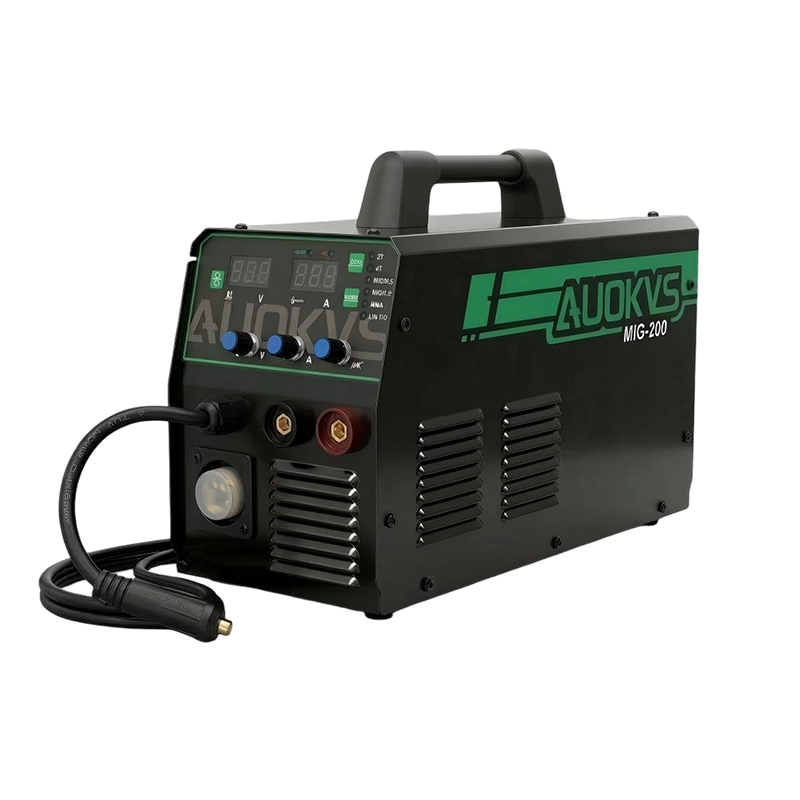
The Welding Machine Multi Process has become a cornerstone of modern fabrication and repair work due to its versatility and efficiency. Unlike single-process welders, this type of machine allows operators to perform various welding techniques with a single unit, reducing the need for multiple machines and saving both space and cost. By combining different welding processes, such as MIG, TIG, and Stick welding, these machines provide consistent performance across a range of metals and thicknesses. This adaptability makes the Welding Machine Multi Process suitable for professional workshops, industrial applications, and even advanced hobby projects.
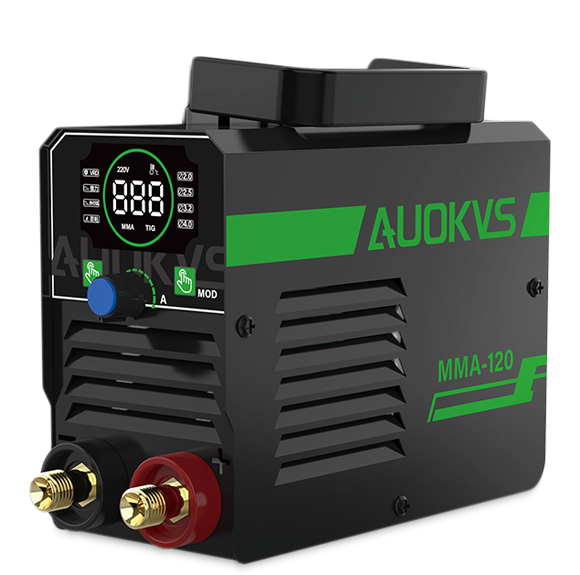
Advanced TIG and MIG Capabilities
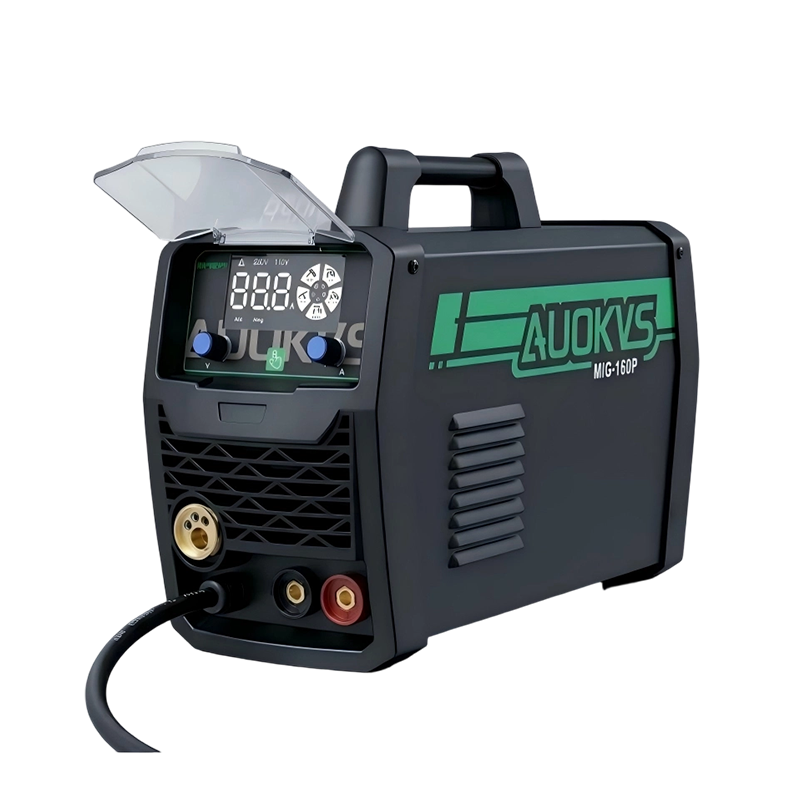
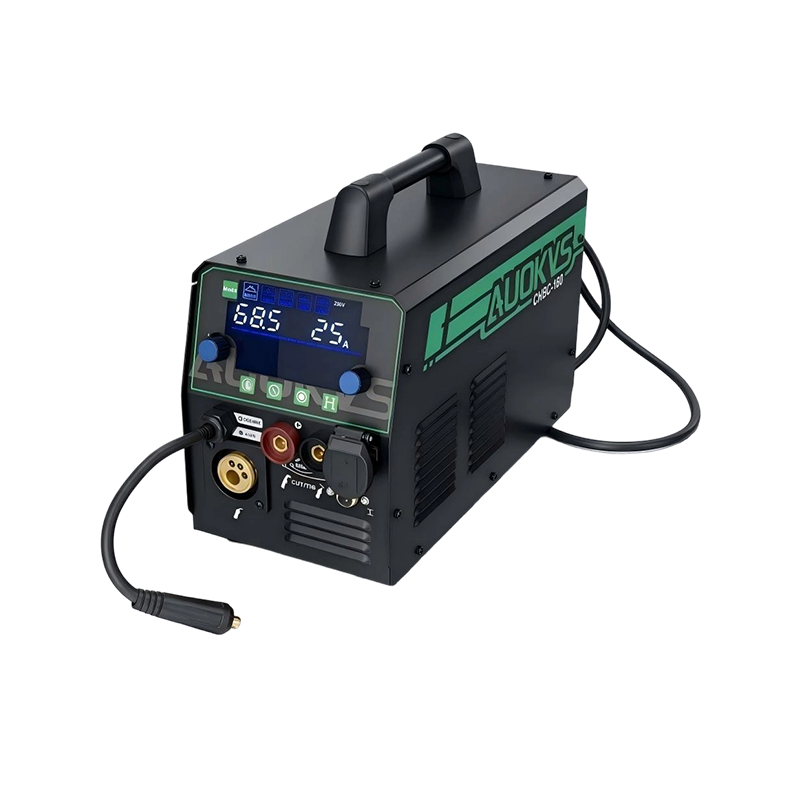
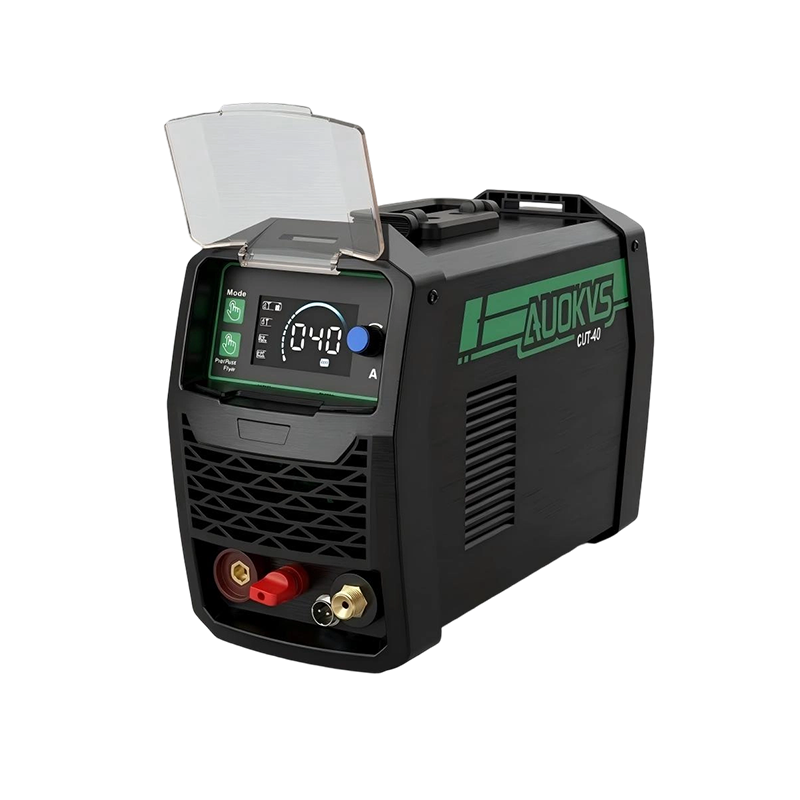
A standout feature of modern multi-process welders is the inclusion of a TIG MIG Plasma Cutter Welder functionality. This integration allows users to switch seamlessly between TIG welding for precision and cleaner joints, MIG welding for speed and efficiency, and plasma cutting for accurate metal shaping. The TIG MIG Plasma Cutter Welder offers enhanced control over arc stability and penetration depth, making it possible to handle delicate tasks on thin materials or complex geometries while also performing heavy-duty work on thicker metals. This multifunctionality greatly increases operational efficiency and enables welders to complete a variety of tasks with a single machine.
Diesel MIG Welding for Remote Applications
For applications where electricity supply may be limited, the Diesel MIG Welder offers an effective solution. Diesel-powered welding machines provide independent power generation, making them ideal for fieldwork, remote construction sites, and outdoor repairs. The Diesel MIG Welder combines mobility with robust performance, allowing operators to perform MIG welding on steel, stainless steel, and other metals without relying on grid power. This capability ensures that welding projects in challenging or off-grid environments can be completed with the same level of quality and efficiency as those in fully equipped workshops.
Efficiency and Productivity Benefits
Multi-process welding machines are designed to improve productivity. By allowing operators to switch between welding techniques without changing equipment, these machines reduce downtime and streamline workflow. The precise control over welding parameters, such as current, voltage, and feed speed, ensures high-quality welds with minimal defects. In addition, features like adjustable pulse modes, thermal overload protection, and stable arc control contribute to faster completion times and reduced material waste. These benefits are particularly important in industrial and commercial settings where efficiency and consistency are critical to profitability.
Safety and Operator Comfort
Modern multi-process welders prioritize operator safety and ergonomics. Insulated handles, stable arc control, and thermal protection features reduce the risk of accidents, while intuitive interfaces allow for easy adjustments even during prolonged use. The machines are often designed to reduce operator fatigue, with lightweight construction and ergonomic controls enhancing comfort during long welding sessions. This combination of safety and usability ensures that welders of all skill levels can operate the equipment confidently and effectively.
Applications Across Industries
The versatility of Welding Machine Multi Process, TIG MIG Plasma Cutter Welder, and Diesel MIG Welder makes them suitable for a wide range of industries. From automotive repair and metal fabrication to construction, shipbuilding, and maintenance, these machines offer reliable performance across multiple welding and cutting processes. Their adaptability allows operators to handle complex projects efficiently, making them essential tools for modern welding professionals. By combining multifunctionality, mobility, and high-quality output, these welders support diverse applications while enhancing productivity and safety.
 Previous