EN
EN English
 Español
Welding has become an essential process in many industries, from automotive repair to small-scale fabrication.
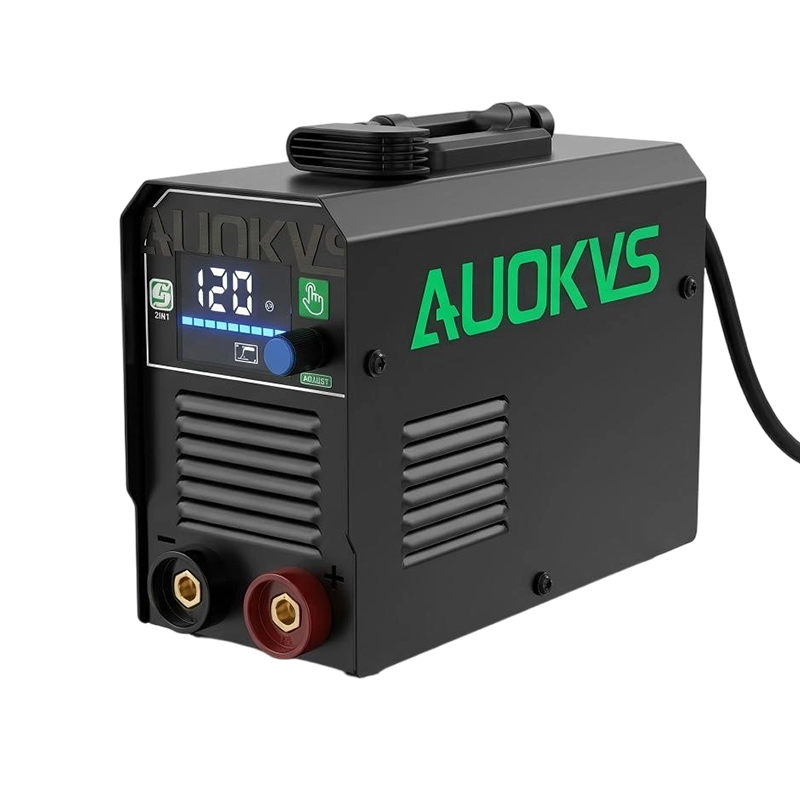
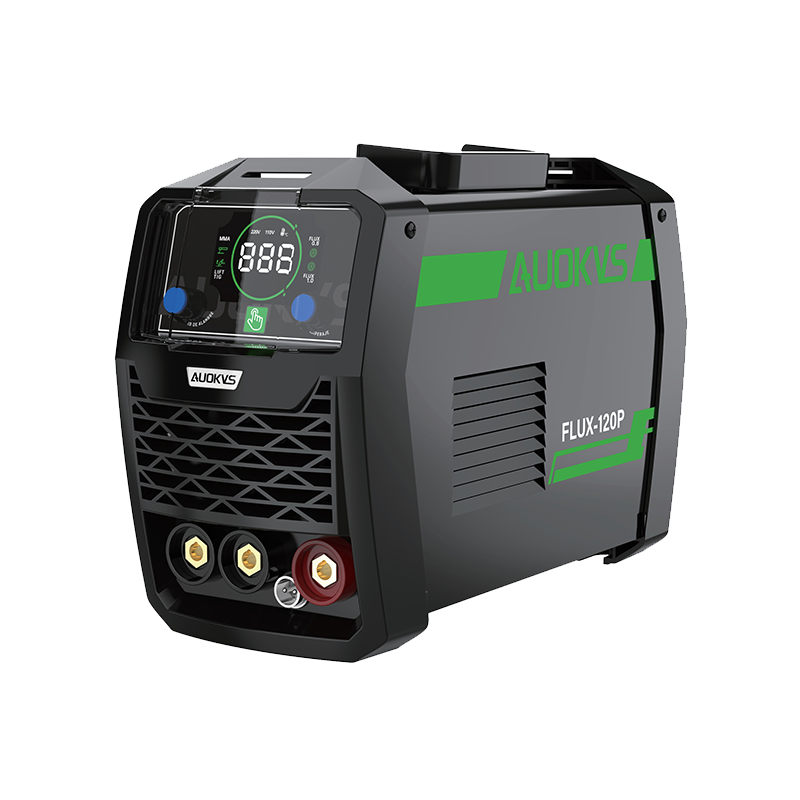
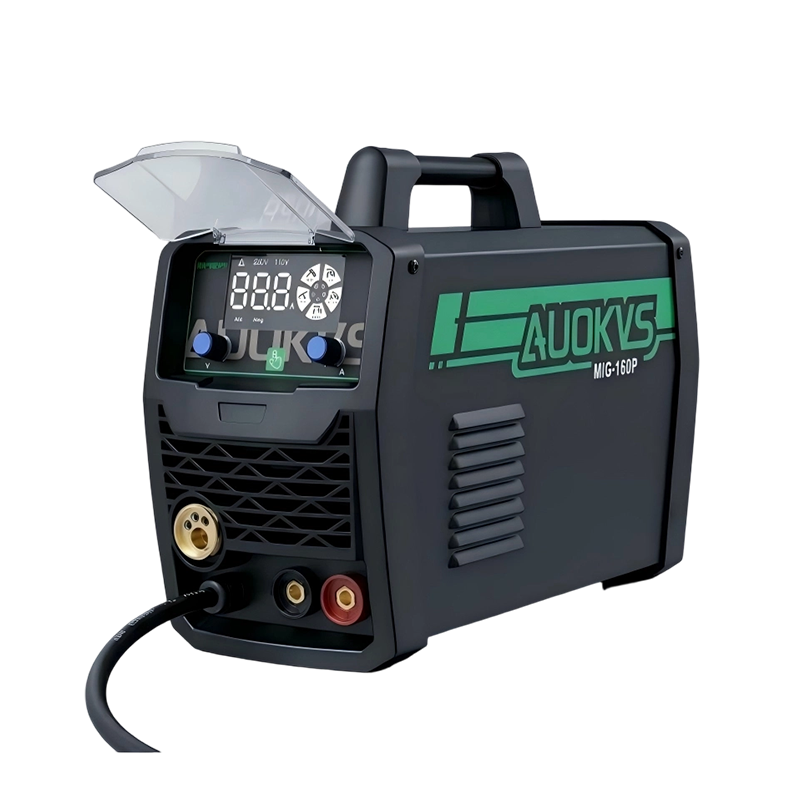
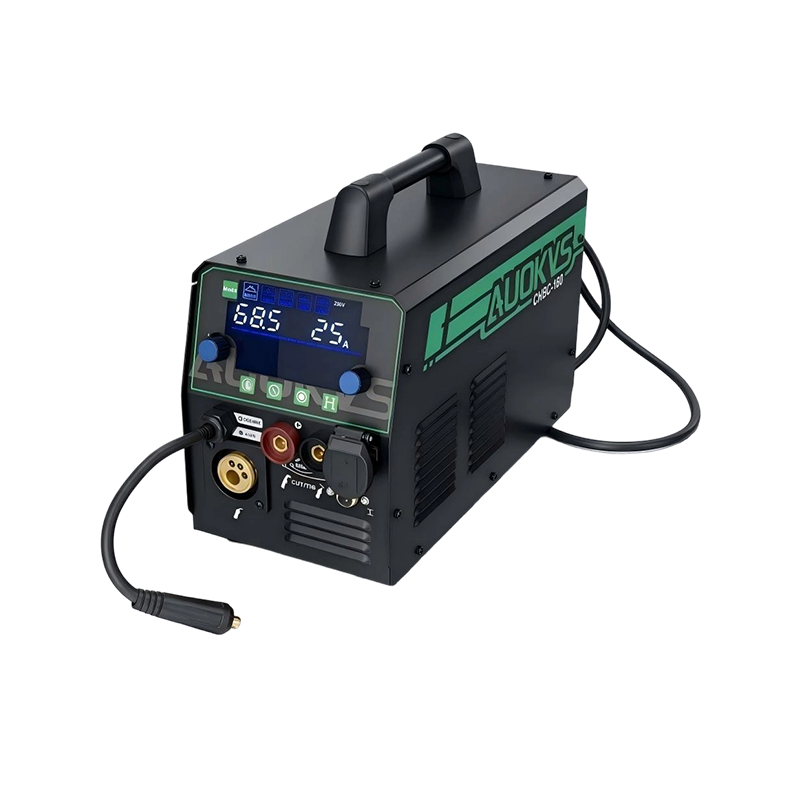
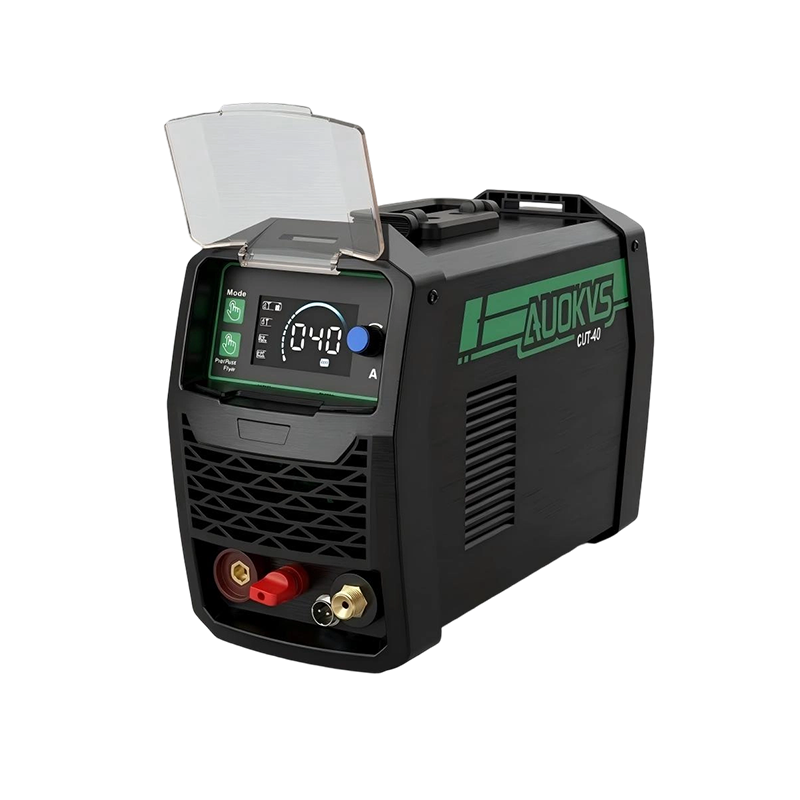
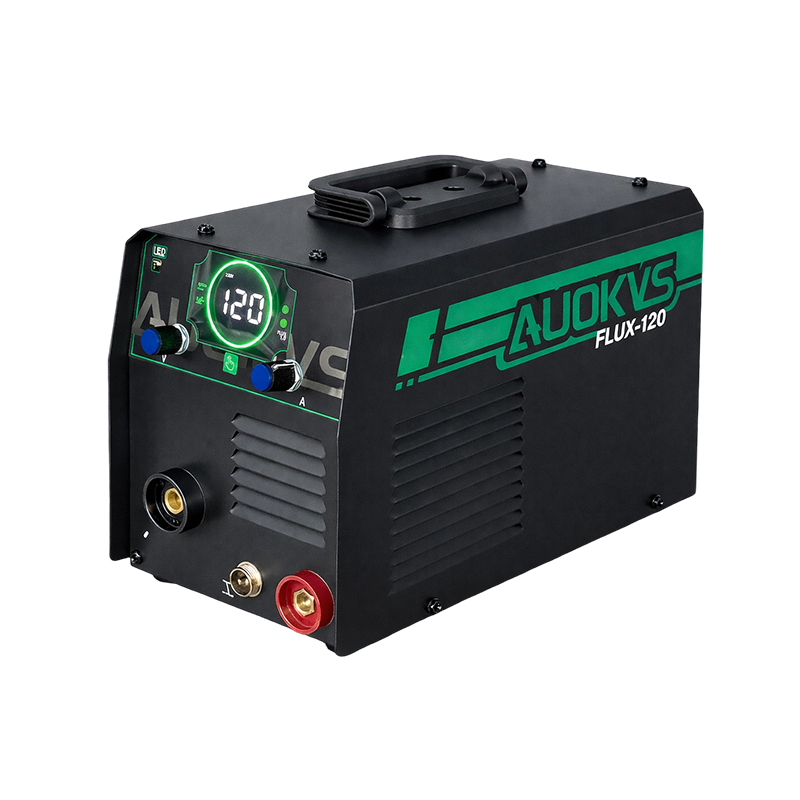
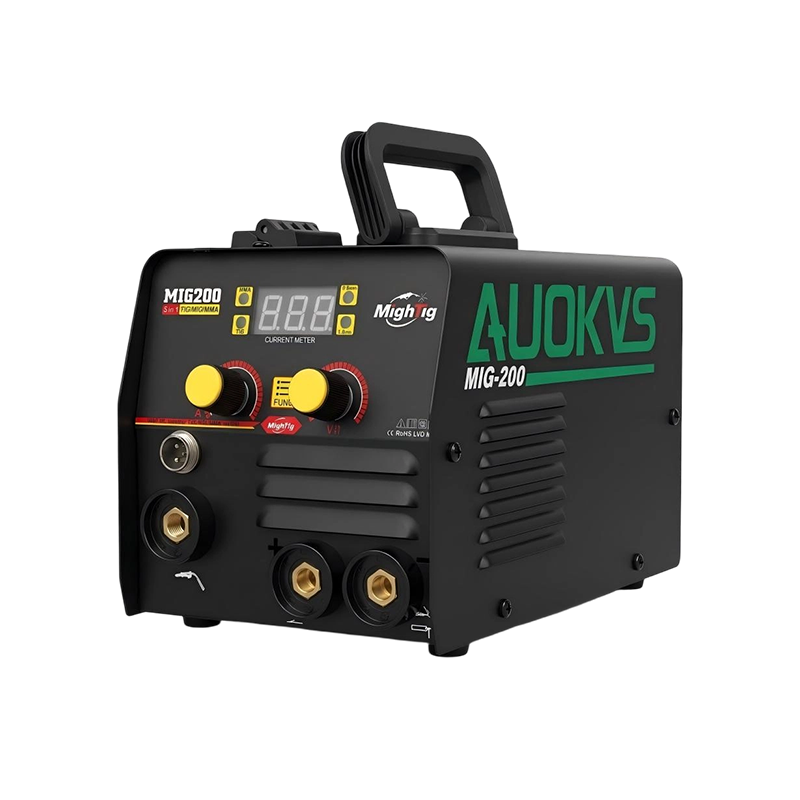
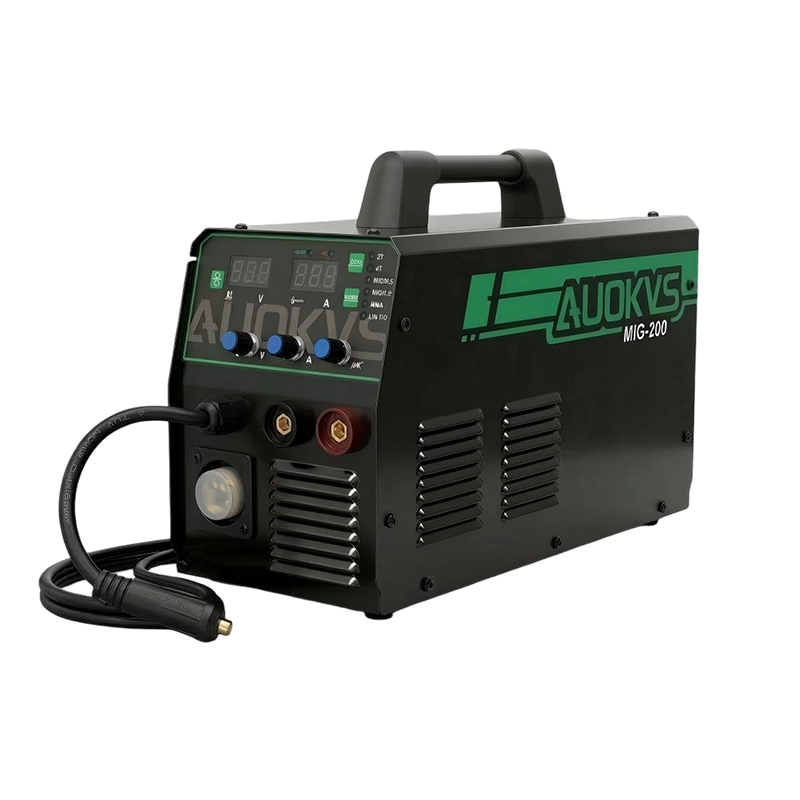
For businesses or workshops that need flexibility in ordering, a Low MOQ Welder Supplier can provide machines without requiring large order quantities.
Selecting the correct current and voltage is critical for improving performance, ensuring safety, and extending the lifespan of the equipment.
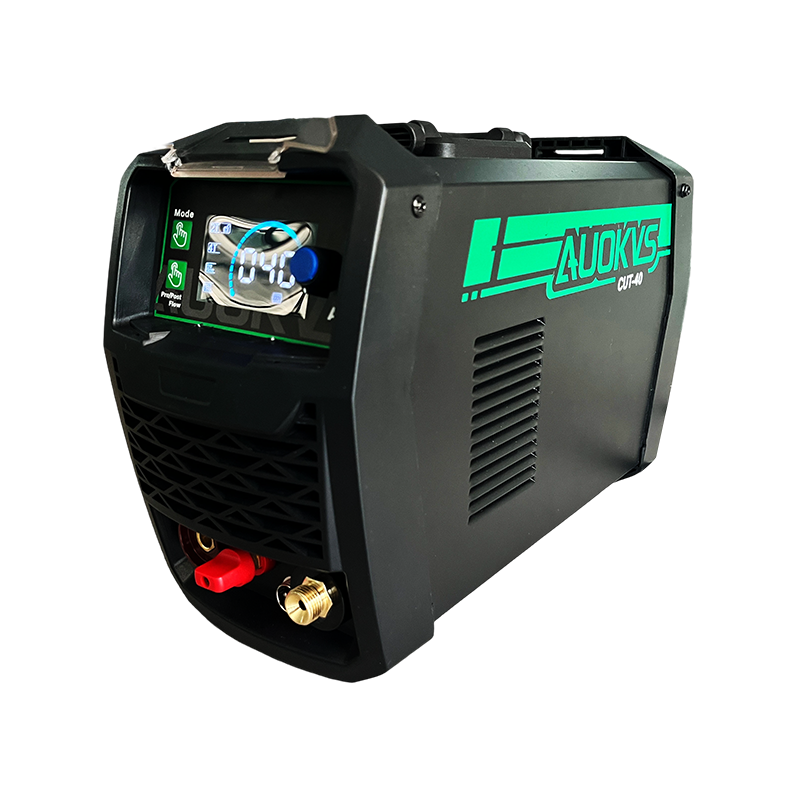
Understanding Welding Current
- Definition of Welding Current:
Current, measured in amperes (A), determines the heat generated at the welding arc.
Higher currents produce deeper penetration and faster welding, while lower currents are better for thin materials.
- Factors Affecting Current Selection:
Material Thickness: Thicker metals require higher current to ensure proper fusion.
Welding Process: MIG, TIG, Stick, and Flux-Cored Welding all have different recommended current ranges.
Electrode Type: Different electrodes have suitable current ranges to prevent defects like porosity or undercut.
- Practical Tips:
Always start at the lower end of the recommended current range and increase gradually.
Use test welds to determine the setting for your material and electrode combination.
Understanding Welding Voltage
1. Definition of Welding Voltage:
Voltage, measured in volts (V), controls the arc length and stability.
Higher voltage produces a wider, flatter weld bead, while lower voltage creates a narrower, deeper bead.
2. Factors Affecting Voltage Selection:
Arc Length Preference: Short arcs require lower voltage; longer arcs need higher voltage.
Welding Process: MIG welding usually operates at higher voltages than Stick welding.
Material Type: Aluminum and stainless steel may require voltage adjustments for consistent penetration.
3. Practical Tips:
Adjust the voltage based on the visual appearance of the weld bead.
Avoid setting the voltage too high, which can cause excessive spatter or burn-through.
Balancing Current and Voltage
Relationship Between Current and Voltage:
- Current and voltage must be balanced to maintain a stable arc and good weld quality.
- Increasing the current without adjusting the voltage can cause excessive heat and poor weld appearance.
- Conversely, high voltage with low current can produce weak, uneven welds.
Practical Approach:
- Use the manufacturer’s recommended ranges for specific materials and electrode sizes.
- Make incremental adjustments and evaluate each weld for penetration, bead shape, and spatter.
Considerations for Low MOQ Welders
Flexibility in Settings:
- Many low MOQ welders offer adjustable current and voltage ranges to accommodate different projects.
- Ensure the welder can handle the range of materials you intend to weld.
Power Supply Compatibility:
- Verify that the welder can operate on your available electrical supply, whether single-phase or three-phase.
- Some models offer dual-voltage options for versatility.
Thermal Protection:
- High-current operations in small welders can cause overheating.
- Choose a welder with built-in thermal overload protection for safety and durability.
Safety and Practices
Personal Protective Equipment (PPE):
Always wear gloves, a welding helmet, and protective clothing to prevent burns and UV exposure.
Equipment Inspection:
Check cables, connectors, and electrode holders before starting work.
Test Welds:
Conduct small test welds on scrap material to ensure current and voltage settings are suitable.
Maintenance:
Regularly clean the welding torch, contact tips, and other components to maintain consistent performance.
Conclusion
- Selecting the correct current and voltage is essential for achieving strong, high-quality welds with a Low MOQ Welder Supplier.
- Factors such as material thickness, welding process, electrode type, and desired weld characteristics should guide the selection.
- Balancing current and voltage, following safety protocols, and performing test welds ensures both safety and efficiency.
Low MOQ welders provide flexibility for small businesses and workshops, but a proper understanding of electrical settings improves their potential and longevity.
 Previous