EN
EN English
 Español
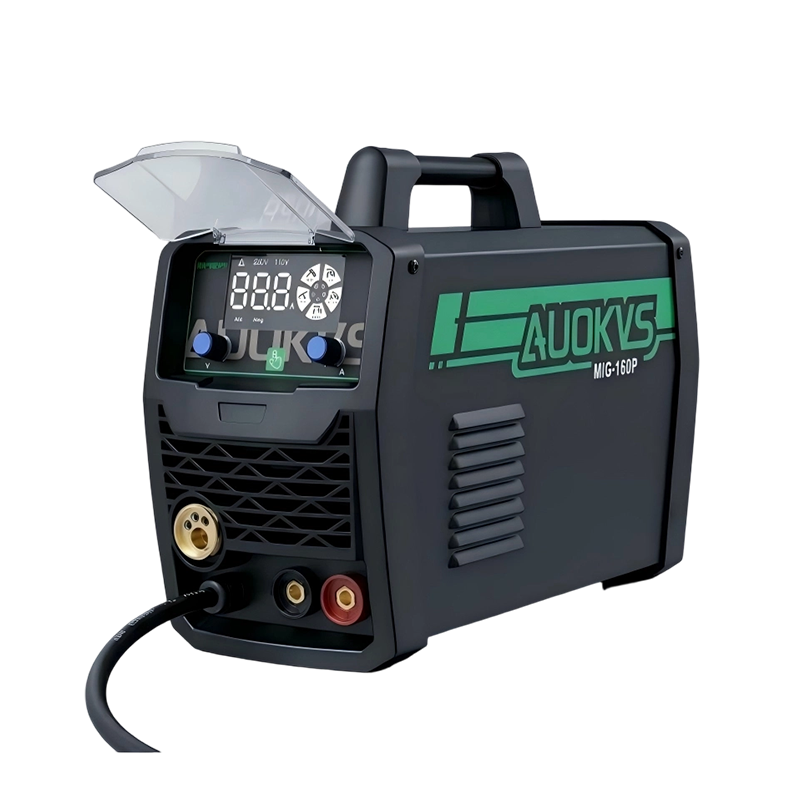
Introduction to OEM Pulse MIG Welder
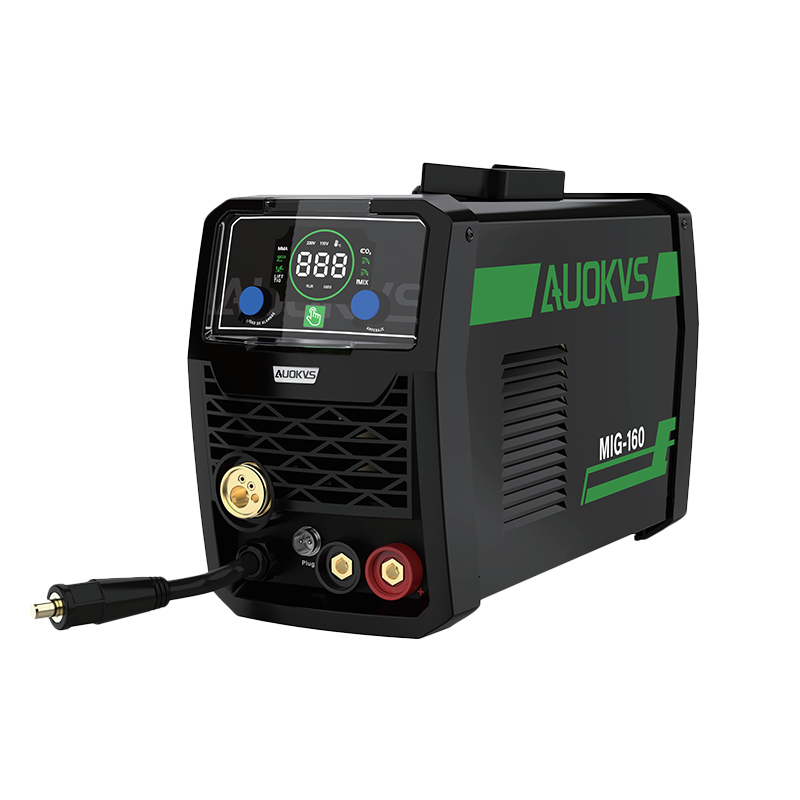
The OEM Pulse MIG Welder is a specialized welding machine designed to improve control and precision in metal fabrication. Unlike traditional MIG welding, pulse MIG welding uses controlled bursts of current to manage heat input and metal transfer. This makes it particularly effective for welding thin sheets, where overheating and distortion are common issues. Understanding the benefits of pulse MIG technology helps manufacturers, fabricators, and hobbyists achieve high-quality welds without defects.
Reduced Heat Input
- Controlled Current Pulses: The primary advantage of the OEM Pulse MIG Welder in thin sheet welding is its ability to deliver current in short pulses rather than a constant flow. This reduces the total heat input, preventing the base metal from overheating.
- Reduced Burn-Through: By carefully controlling the energy applied to the material, pulse MIG welding lowers the risk of burning through thin sheets, which is a common problem with standard MIG welding.
- Consistent Penetration: Pulse technology ensures adequate penetration without excessive melting, producing clean, uniform weld beads even on delicate materials.
Lower Spatter Formation
- Precise Metal Transfer: Pulse MIG welders control the moment when molten droplets transfer from the electrode to the workpiece. This precise timing reduces spatter significantly compared to traditional MIG welding.
- Cleaner Weld Area: Reduced spatter means less post-weld cleanup, which saves time and reduces the need for grinding or finishing.
- Improved Aesthetics: Less spatter also contributes to a smoother, more visually appealing weld, which is especially important for visible surfaces on automotive panels, appliances, or decorative metalwork.
Reduced Distortion and Warping
- Heat Management: Thin sheets are highly susceptible to warping due to uneven heating. Pulse MIG technology controls the heat input carefully, maintaining temperature consistency across the weld area.
- Faster Welding with Lower Heat: By alternating between high and low current pulses, the OEM Pulse MIG Welder allows rapid deposition of filler metal while keeping the overall heat low, reducing thermal expansion and contraction that cause distortion.
- Better Dimensional Accuracy: With controlled thermal input, thin sheet assemblies maintain their shape and alignment, reducing the need for post-weld straightening or jigging.
Versatility and Material Compatibility
- Aluminum and Stainless Steel Welding: Pulse MIG welders excel at welding difficult-to-weld metals such as aluminum or thin stainless steel sheets. The controlled pulses help break oxide layers and maintain clean arcs.
- Variable Thickness Handling: Many OEM Pulse MIG Welder models allow adjustments in pulse frequency, amplitude, and waveform, making them versatile for different sheet thicknesses and material types.
- Automated and Manual Applications: The technology works equally well in automated robotic welding setups and hand-held operations, enhancing productivity without sacrificing precision.
Enhancing Thin Sheet Welding Efficiency
OEM Pulse MIG Welder offers distinct advantages for thin sheet welding, including reduced heat input, lower spatter, and reduced distortion. By precisely controlling current pulses, these machines improve weld quality, aesthetics, and dimensional accuracy. For manufacturers or hobbyists working with delicate materials, pulse MIG welding provides a reliable solution that combines efficiency, consistency, and good results while reducing post-weld finishing and material waste. Choosing the right OEM Pulse MIG Welder ensures suitable performance and long-term cost-effectiveness in thin sheet metal fabrication.
 Previous